Tesla's FSD Promise Hits Hardware Wall
Tesla says HW3 cannot achieve unsupervised Full Self-Driving, and plans city “microfactories” to retrofit vehicles with HW4 and new cameras.
Jason Kwon ·
Tesla CEO Elon Musk said on April 23, 2026 , during the company’s Q1 2026 earnings call, that Tesla’s Hardware 3 (HW3) is not capable of achieving unsupervised Full Self-Driving (FSD). Musk attributed the limitation to memory bandwidth constraints, and noted that HW3 has been installed in millions of Tesla vehicles since early 2019.
The disclosure marks a reversal from earlier messaging that HW3 would be sufficient to support future FSD functionality. It also directly affects customers who paid thousands for the feature, because the statement indicates the hardware in their vehicles cannot reach the unsupervised version of FSD as previously expected.
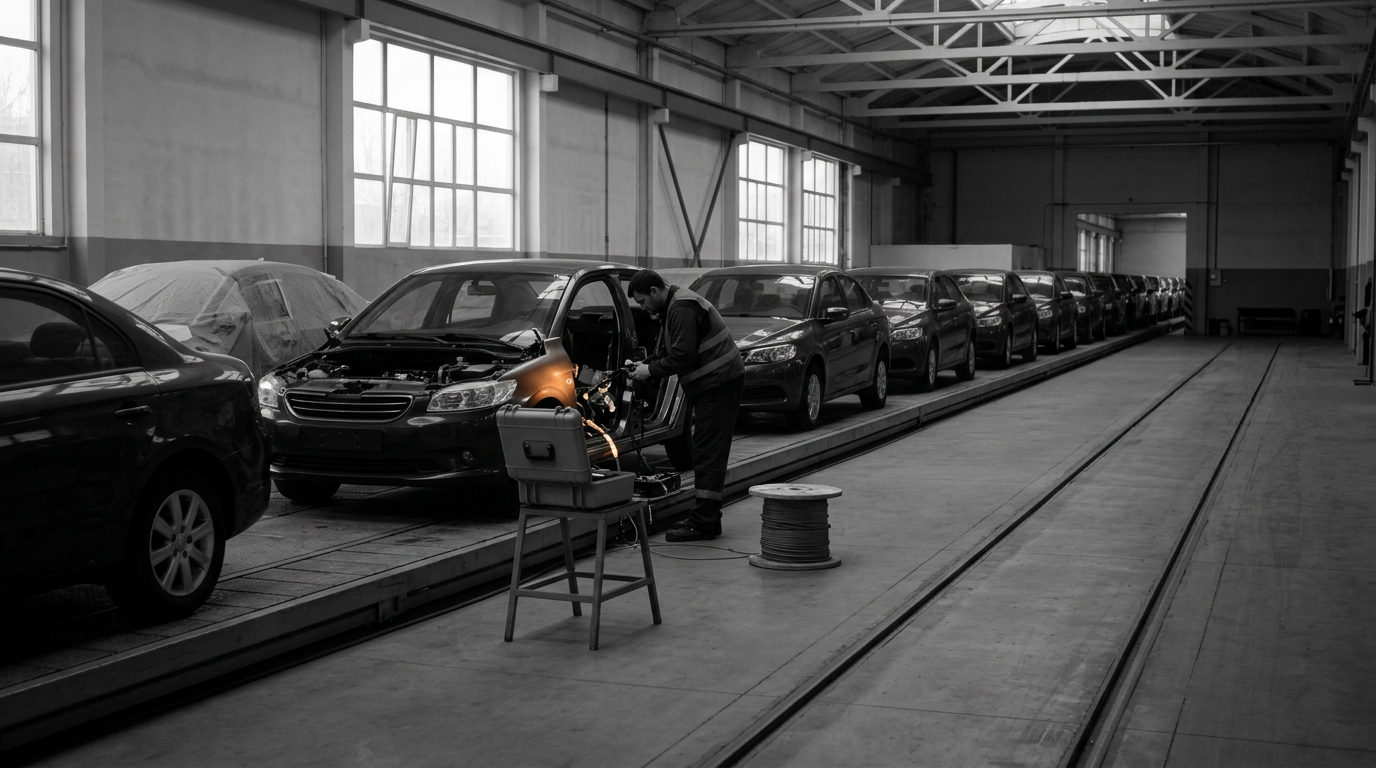
To address the gap, Musk said Tesla plans to build “microfactories” in major cities to retrofit vehicles equipped with HW3. The proposed retrofit would replace HW3 with Hardware 4 (HW4) and add new camera systems, which Musk said would enable those vehicles for unsupervised FSD and could allow them to be included in a Robotaxi fleet.
Musk also referenced a “discounted trade-in” program tied to these upgrades. However, he did not provide specifics on pricing, timing, or how broadly the program would apply, leaving key questions unresolved for owners and investors assessing the operational and financial scale of the plan.
The admission adds momentum to existing legal disputes. Multiple class-action lawsuits accuse Tesla of misleading customers about FSD capabilities, and Musk’s statement is described as direct evidence supporting claims that buyers paid for a feature their vehicles’ hardware could not ultimately deliver.
Regulatory attention could also intensify. The disclosure may strengthen scrutiny from agencies such as California’s Department of Motor Vehicles, as the statement aligns with allegations that marketing and customer expectations did not match the technical limits of HW3.
For markets, the announcement places focus on potential retrofit costs, execution risk, and the pace at which Tesla can transition a large installed base from HW3 to HW4. Politically and globally, the issue intersects with how regulators evaluate advanced driver-assistance claims and consumer protection standards, particularly as companies promote autonomous driving and robotaxi concepts across multiple jurisdictions.
Uncertainties remain centered on the practical rollout: the number of vehicles that would qualify, the logistics of “microfactories” in major cities, and the final terms of any discounted trade-in. Tesla did not provide a detailed timeline or scope during the call, leaving the next steps dependent on future company updates and the trajectory of litigation and regulatory review.