Eid celebrations dimmed by war and displacement across Middle East
Millions in the Middle East observed Eid al-Fitr in March 2026 amid severe conflict, displacement, and economic hardship in Lebanon, Iran, and Gaza.
Lauren Collins ·
Millions across the Middle East observed Eid al-Fitr in March 2026 under conditions of severe conflict and displacement, particularly in Lebanon, Iran, and Gaza. The traditional holiday, marking the end of Ramadan, was significantly impacted by ongoing hostilities, economic hardship, and restricted access to essential goods. This situation has led to widespread disruption of customary festivities and a focus on basic survival needs for many families.
Lebanon Faces Mass Displacement
Lebanon is grappling with a profound humanitarian crisis, with over one million individuals displaced due to Israeli military actions. These operations have reportedly caused more than 1,000 fatalities, exacerbating an already fragile situation. Many displaced persons, including Syrian refugees, are prioritizing shelter and safety over holiday observances, with areas of Beirut's downtown transformed into temporary encampments.
Economic Strain in Iran
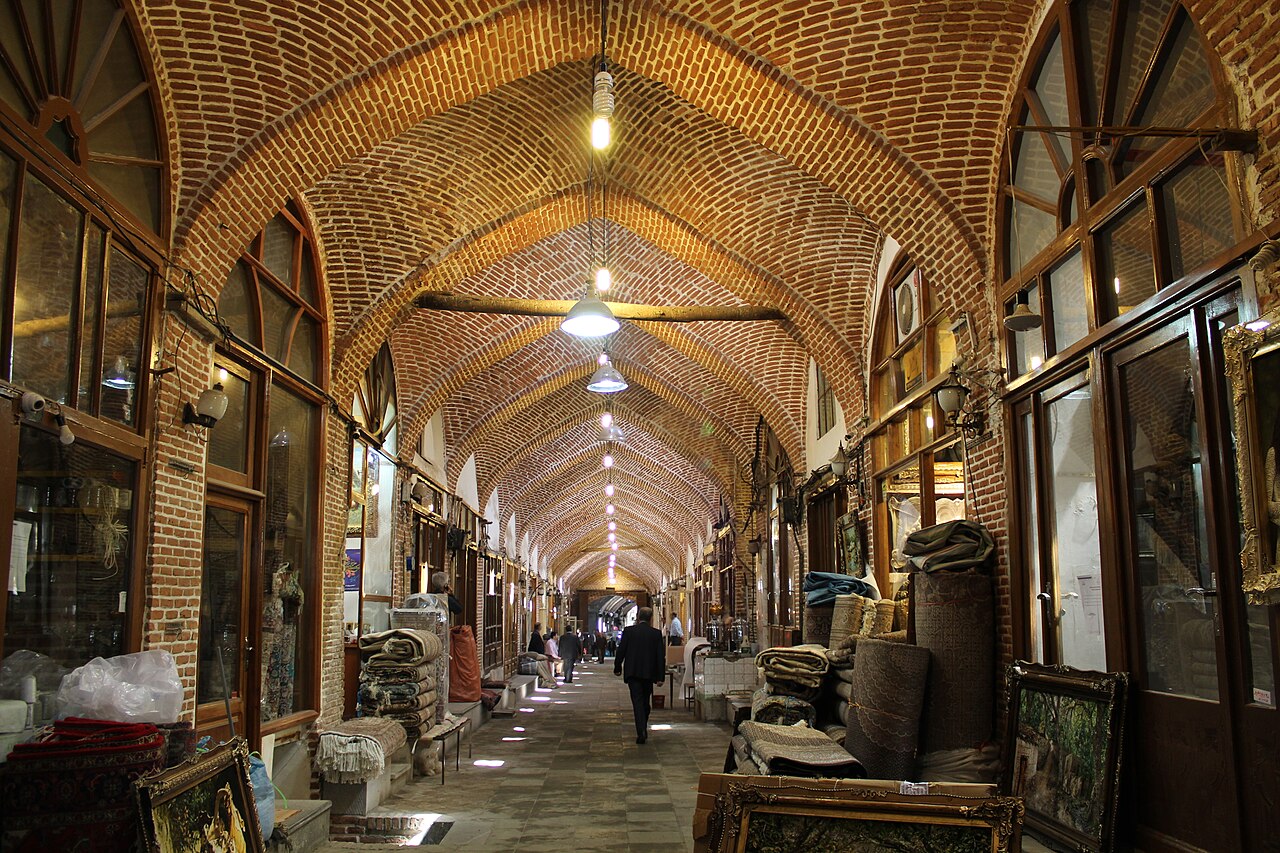
Iran's population faced its third consecutive week of U.S.-Israeli military engagements during the Eid period, intensifying an existing economic downturn. The conflict has made traditional holiday purchases largely unaffordable for many families. Reports indicate damage to key commercial areas, such as Tehran’s grand bazaar, creating safety concerns for residents attempting to procure goods.
Gaza's Restricted Access and High Prices
In Gaza, residents experienced severe restrictions on the entry of goods, a situation compounded by the ongoing conflict with Iran. These limitations have driven up prices for essential items, including children's toys, making them inaccessible to most. Local accounts suggest that only a small fraction of the population can afford basic necessities, a stark contrast to previous years when holiday spending was more feasible.
Regional Instability and Humanitarian Crisis
The confluence of these conflicts has created a complex humanitarian crisis across the region. Displacement, economic instability, and the disruption of supply chains are common themes affecting millions. The ability to celebrate cultural and religious holidays has been severely curtailed, shifting focus from festivities to immediate survival and security.
Impact on Civilian Populations
Civilian populations bear the brunt of these prolonged conflicts. The psychological and economic toll of displacement and insecurity is immense, particularly during periods traditionally associated with family gatherings and celebration. The current conditions underscore the broader geopolitical tensions impacting daily life in the Middle East.
Implications
Country Impact: The ongoing conflicts are deepening humanitarian crises in Lebanon, Iran, and Gaza, leading to mass displacement and severe economic hardship. This instability threatens long-term recovery and social cohesion in these nations.
Industry Impact: Supply chains and local commerce, particularly in retail and food sectors, are severely disrupted across the affected regions. Damage to infrastructure and restricted movement impede economic activity and access to goods.
Market Impact: Regional instability could deter foreign investment and exacerbate existing economic vulnerabilities. The focus on conflict and humanitarian aid diverts resources from economic development, impacting market confidence.