

P2X7 Receptor Inhibition Identified as Potential Therapeutic Target for Neuroinflammation
Blocking the P2X7 receptor reduces brain inflammation, providing a potential strategy to repurpose existing drugs for treating neurodegenerative and…
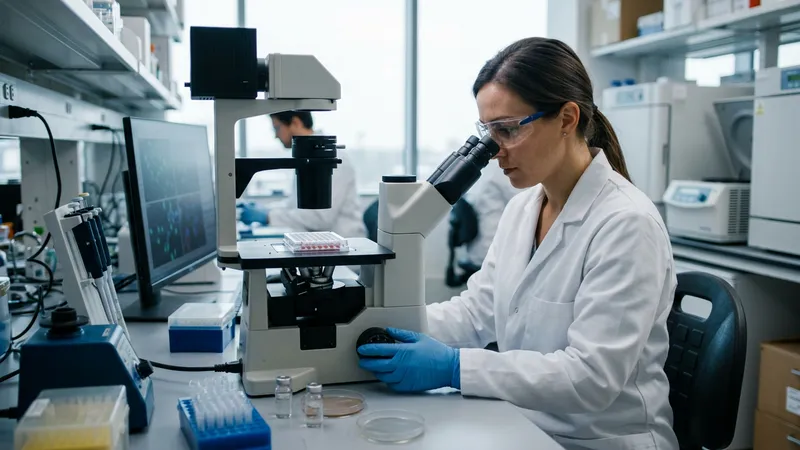
Researchers have identified the P2X7 receptor as a primary driver of neuroinflammation in human brain tissue. Blocking this receptor significantly reduces the release of inflammatory cytokines, offering a potential pathway for treating various neurological and psychiatric disorders.
The study utilized a novel methodology involving monocyte-derived microglia to model human immune responses. This approach allowed for the observation of inflammatory signaling in a scalable, human-specific platform, which was subsequently validated in live human brain tissue samples.
These findings suggest that existing pharmacological agents capable of antagonizing the P2X7 receptor may be repurposed for clinical use. Targeted conditions include Alzheimer’s disease, Parkinson’s disease, traumatic brain injury, depression, and schizophrenia.
The identification of this mechanism provides a basis for future clinical trials aimed at addressing neuroinflammatory damage. This development is particularly significant for conditions currently lacking effective pharmacological interventions to mitigate long-term neurological decline.
More stories
- Repurposed Epilepsy Medication Shows Potential for Osteoarthritis Treatment
- Polyethylene Microplastics Linked to Increased Risk of Fatty Liver Disease
- Public Health Gap Identified in Paternal Mortality Rates
- Meta-Analysis Identifies Correlation Between Cannabis Use and Increased Violence Risk
- Pope Leo XIV Faces Urgent Surgery to Remove Lung Mass
- Donor-specific genomes reveal 1,790 chromatin hotspots
- Heatwaves Raise Pesticide Risks for US Farmworkers
- GLP-1 Drugs Tied to Lower Fracture Rates in Type 2 Diabetes
Latest news
- Yang Peng sets Q-learning bound at H^4 over error squared
- Iiyama outlines 2^30-state GPU quantum solver
- Australia warns travelers after King Khalid airport strikes
- China Central Bank Issues RMB Exchange-Rate Statement
- Ukraine says Russia hits Kyiv plant after Trump ceasefire claim
- Allegations Surface Over Attempt to Alter Netanyahu's Oct. 7 Call Log
- Pulsar seeks debt funding for $85.5 million helium plant
- Germany bill targets assets above €100,000