

Polyethylene Microplastics Linked to Increased Risk of Fatty Liver Disease
New research identifies polyethylene microplastics as a potential contributor to fatty liver disease, with risks intensifying when combined with poor dietary…
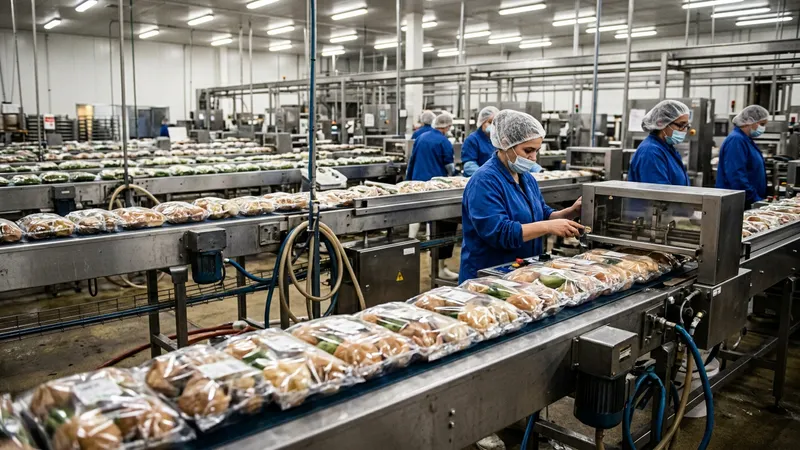
Research indicates that polyethylene, a widely used plastic in food packaging and containers, may contribute to the development of fatty liver disease. The study suggests that these microplastics impair the liver's natural defense and repair mechanisms, challenging the previous classification of polyethylene as a biologically inert material.
Data shows that exposure to polyethylene increases indicators of liver damage, with effects significantly exacerbated by high-fat, high-fructose, and high-cholesterol diets. This interaction suggests a synergistic risk between environmental pollutant exposure and metabolic health factors.
Advanced spatial transcriptomics identified that polyethylene exposure alters gene activity related to fat metabolism and tissue repair, specifically involving the PPAR-alpha protein and the ANXA2 gene. These findings indicate that microplastic ingestion may represent a previously overlooked variable in the global prevalence of liver disease. Further investigation is required to determine the long-term clinical implications and potential therapeutic interventions for affected populations.
More stories
- Repurposed Epilepsy Medication Shows Potential for Osteoarthritis Treatment
- P2X7 Receptor Inhibition Identified as Potential Therapeutic Target for Neuroinflammation
- Public Health Gap Identified in Paternal Mortality Rates
- Meta-Analysis Identifies Correlation Between Cannabis Use and Increased Violence Risk
- Pope Leo XIV Faces Urgent Surgery to Remove Lung Mass
- Donor-specific genomes reveal 1,790 chromatin hotspots
- WHO Chief Visits DRC Amid Ebola Outbreak
- Blood Test Added to Colorectal Cancer Screening
Latest news
- Yang Peng sets Q-learning bound at H^4 over error squared
- Iiyama outlines 2^30-state GPU quantum solver
- Australia warns travelers after King Khalid airport strikes
- China Central Bank Issues RMB Exchange-Rate Statement
- Ukraine says Russia hits Kyiv plant after Trump ceasefire claim
- Allegations Surface Over Attempt to Alter Netanyahu's Oct. 7 Call Log
- Pulsar seeks debt funding for $85.5 million helium plant
- Germany bill targets assets above €100,000