Heatwaves Raise Pesticide Risks for US Farmworkers
Heatwaves can worsen pesticide exposure risks for US farmworkers, as heat stress, weaker protective gear, and chemical changes compound hazards.
Atlas Newsdesk ·
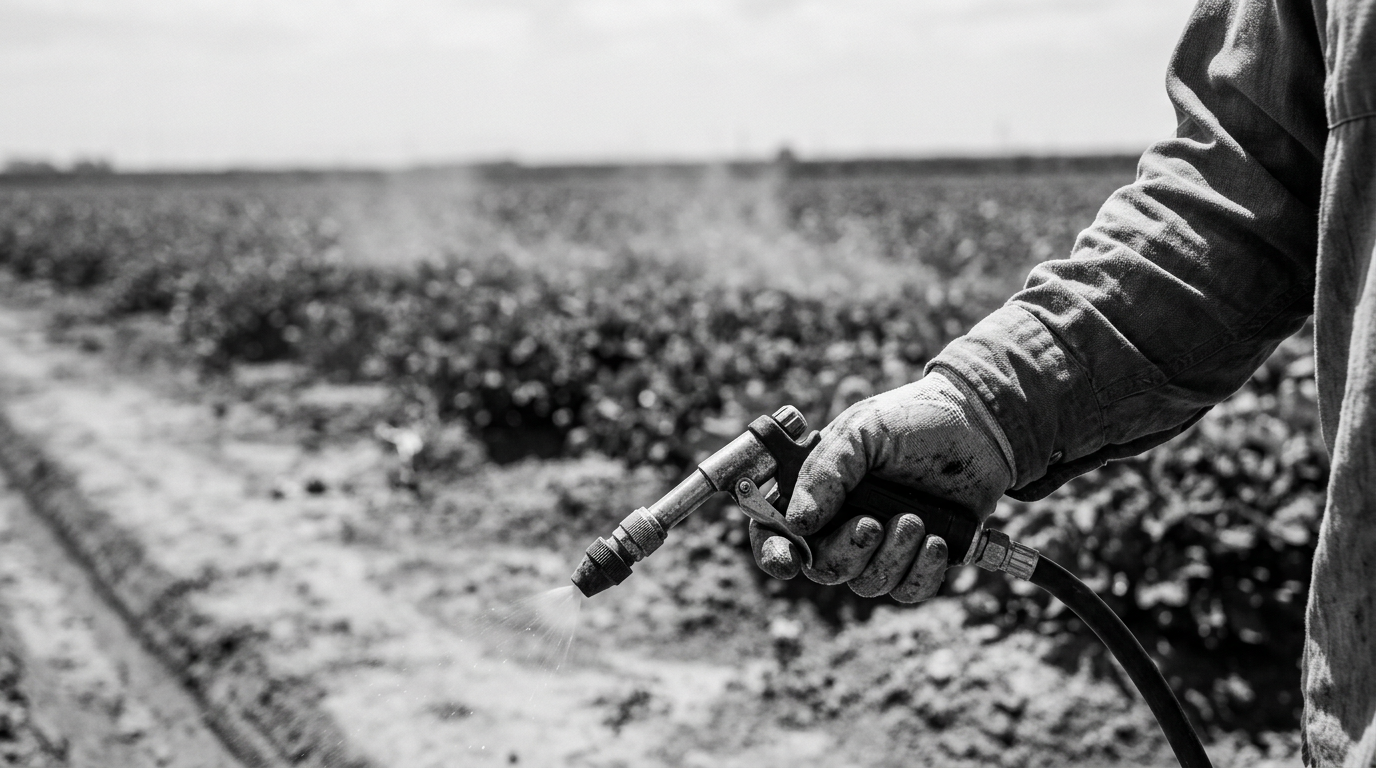
Rising temperatures are increasing occupational health risks tied to pesticide exposure for the U.S. agricultural workforce, according to research described in recent reports. The same conditions that raise the likelihood of heat stress can also make workers more physiologically prone to absorbing chemicals during routine fieldwork. The reports describe the problem as a combined risk, not two separate hazards occurring side by side.
The material says higher ambient temperatures can strain the body, reduce the real-world performance of protective equipment, and change how pesticides behave in working environments. Together, those factors can raise the chances of both inhalation and skin-contact exposure during and after applications. The result, as described, is a layered set of hazards that can intensify during extreme heat.
Heat stress and the limits of protective equipment Heat stress and the limits of protective equipment Research cited in the source material says heat Research cited in the source material says heat stress can increase vulnerability to chemical absorption. This interaction is significant because many agricultural tasks involve long hours outdoors, and workers may have limited ability to fully avoid high temperatures even when safety measures are used. The reports indicate that, in practice, heat can make standard precautions harder to maintain throughout a shift. The same reports also say higher temperatures can reduce the effectiveness of commonly used protective gear. That may leave workers with less protection than employers and workers might assume under normal conditions, particularly during heatwaves. In this framing, reduced protection is not only a matter of compliance but also of how equipment performs when conditions become extreme. Hotter conditions can alter pesticide behavior The reports state that heat can speed up chemical transformation of pesticides into more toxic compounds. They also note that warmer conditions can increase evaporation rates, shifting how pesticides move through the air and across surfaces in active work areas. As evaporation increases in hotter weather, the source indicates that inhalation exposure can rise. The material further states that dermal exposure may also increase, reflecting how higher temperatures can affect persistence and contact pathways in real working environments. In this description, exposure risk is shaped not only by application moments but also by how chemicals behave around workers after products are used. Climate shifts, pesticide pressure, and sector-wide risk According to the source, climate-driven changes in the ranges of pests and pathogens are projected to require more pesticide application. If application volumes rise, exposure risks would increase for workers who mix chemicals, apply products, or work near treated fields. The reports frame this as an institutional risk for the sector rather than a narrow workplace issue. They point to the potential for increases in They point to the potential for increases in acute and chronic health conditions among workers, with possible implications for labor availability, including contributions to labor shortages. At the same time, the reports do not present a uniform national standard for how these compounded risks should be addressed on the ground.
Fragmented oversight and a developing federal heat standard
Regulatory oversight is described as fragmented, with limited federal supervision and wide variation in protections across states. A federal heat standard is reported to be in development, but the lack of uniform requirements is contributing to inconsistent workplace rules across jurisdictions. The source says this uneven landscape complicates compliance planning for agricultural employers operating in multiple states.
The reports also say the absence of comprehensive federal mandates increases litigation risk. Policymakers, according to the material, face growing pressure to align differing state approaches with federal occupational safety goals to limit longer-term public health and economic impacts. How quickly and how consistently standards are implemented remains an uncertainty highlighted by the current patchwork of rules.