Candida auris spreads to 23 states as cases rise
Candida auris is expanding across U.S. healthcare to 23 states, with 2026 cases above 3,000 and prior years showing sharp increases.
Atlas Newsdesk ·
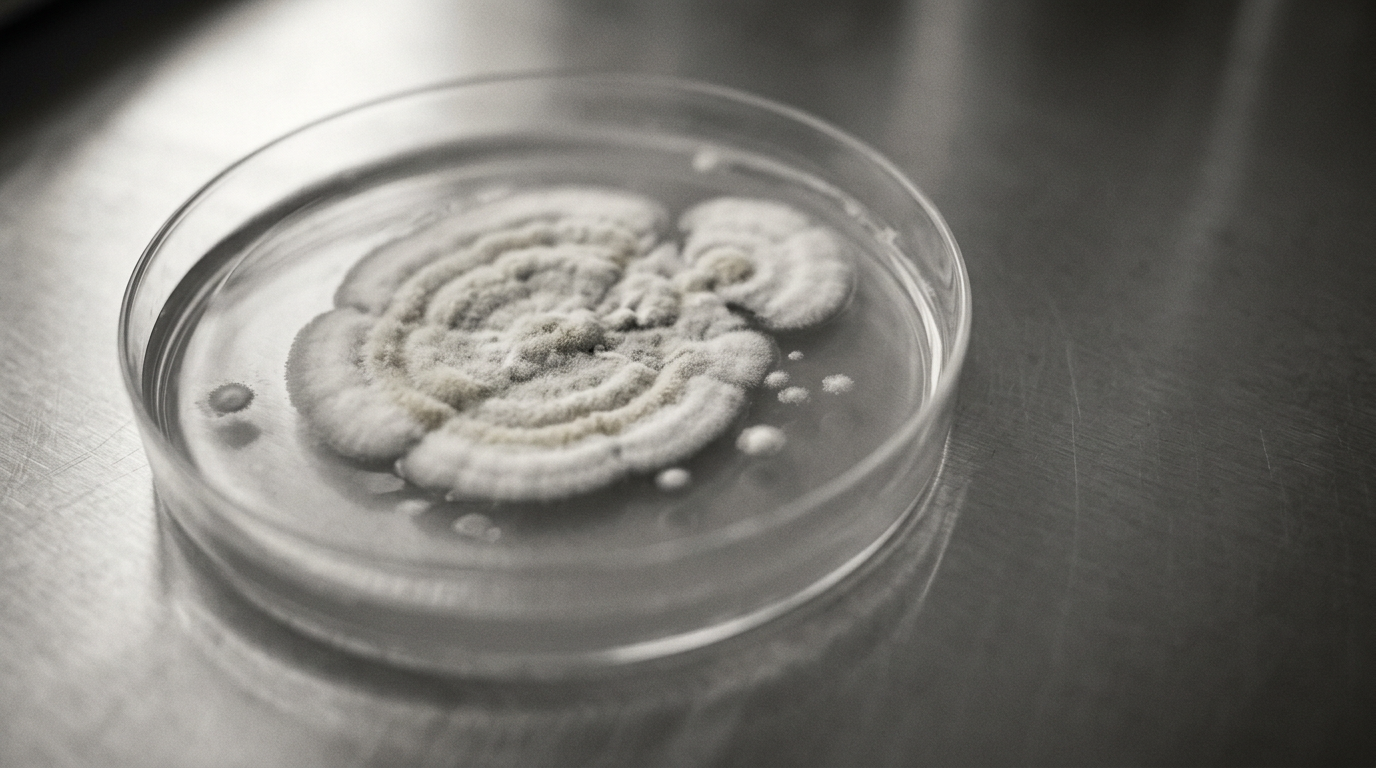
Drug-resistant Candida auris is being recorded across a broader stretch of the U.S. healthcare system, with reports now spanning 23 states as infections continue to climb.
Officials citing the latest update said reported cases in 2026 have exceeded 3,000, adding to concerns about the organism’s ability to establish itself inside clinical environments where patients receive ongoing care.
Reported cases were 2 Candida auris case counts show multi-year growth The same data indicates a sustained year-on-year rise The same data indicates a sustained year-on-year rise over recent years, pointing to a pattern that infection-control teams are increasingly being forced to manage as routine pressure rather than isolated incidents. Reported cases were 2,882 in 2022 and reached 6,197 in 2024, a jump that officials and facility leaders have linked to growing encounter rates within care settings. As the geographic footprint widens to 23 states, the operational load is rising in parallel, with facilities reporting more steps required to identify potential cases early and prevent spread across rooms and units.
Hospitals and nursing homes face operational strain
Officials and facility leaders have described the current Officials and facility leaders have described the current trajectory as a direct risk for acute care hospitals and nursing homes, where medically fragile patients are more likely to be concentrated. They have framed the main impact as operational: increased screening activity, more frequent isolation decisions, and heavier demand for environmental cleaning in high-contact areas. Public health authorities have also stressed that the risk is largely contained within healthcare environments rather than broadly affecting the general population, placing emphasis on institutional safeguards and day-to-day compliance. Resistance and persistence complicate control efforts The clinical challenge is tied to multidrug resistance. Officials said some strains do not respond to commonly used antifungal medicines, raising the difficulty of treatment choices and increasing the value of preventing transmission. Eradication is further complicated by the organism’s ability to remain on environmental surfaces for extended periods, which can allow spread if disinfection is incomplete or inconsistent. In practice In practice, routine touchpoints and shared equipment can become transmission pathways unless protocols are applied uniformly across areas and shifts.
Mortality range and governance pressure
For infected individuals, reported mortality ranges from 30% to 60%, with the most severe outcomes concentrated among patients with chronic health conditions or weakened immune systems.
Authorities have emphasized core controls including rigorous disinfection, isolating affected patients, and stronger screening aimed at detecting cases before broader exposure occurs. However, officials have signaled uncertainty in outcomes when implementation varies, because response quality depends on consistency across staff and facility zones.
Officials also warned that poor containment can bring non-clinical consequences such as heightened regulatory scrutiny, increased liability exposure, and higher overall healthcare costs for providers, especially when transmission leads to prolonged admissions, additional testing, or wider infection-control interventions.
With cases increasing over multiple years and the reported footprint now covering 23 states, officials said healthcare systems are being pushed to treat Candida auris as a persistent facility-level risk requiring sustained attention.