CRISPR Y-CUT Removes Y Chromosome in Male Mouse Embryos
CRISPR Y-CUT removed the Y chromosome in male mouse embryos, producing healthy, fertile females and enabling female clones from adult male cells.
Atlas Newsdesk ·
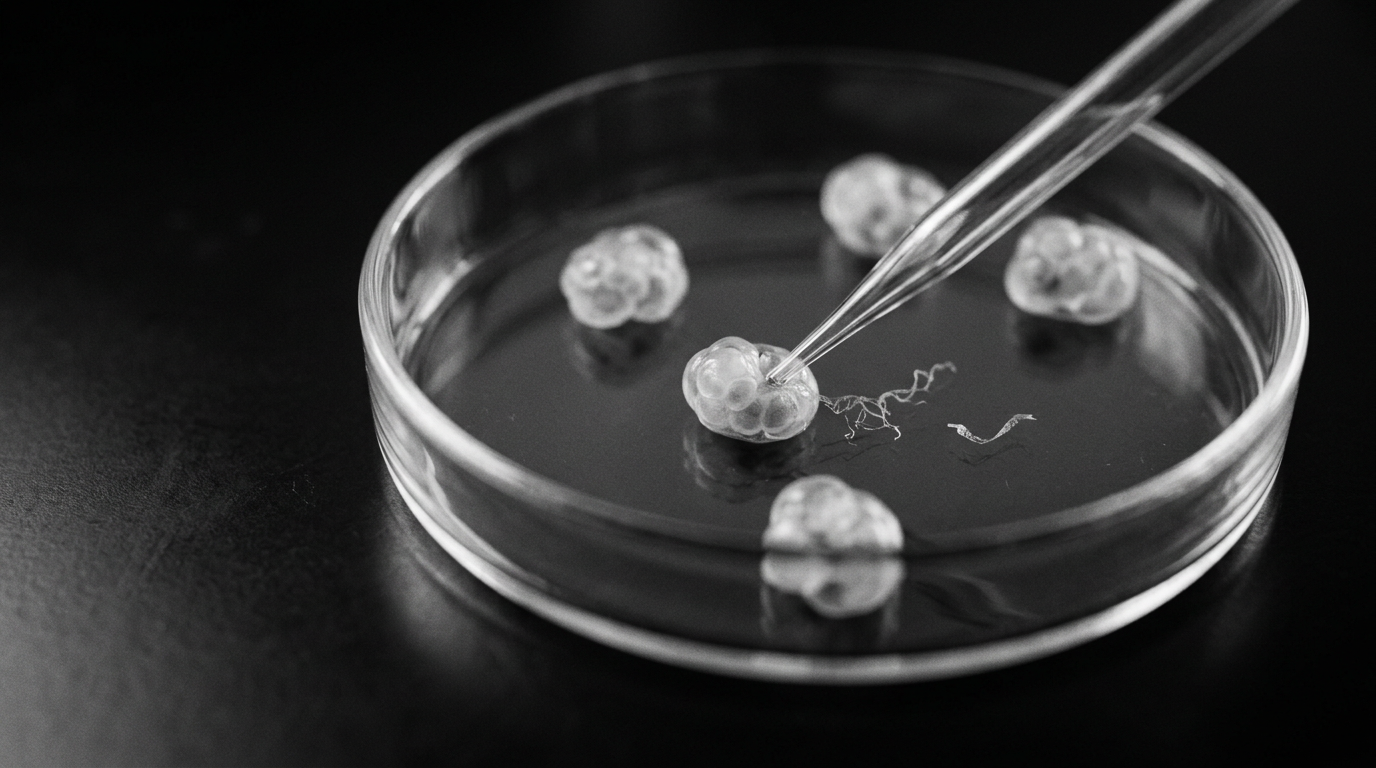
Researchers have reported a CRISPR-based gene-editing method called Y-CUT that removes the Y chromosome from male mouse embryos, enabling those embryos to develop as healthy, fertile females. Officials involved in the work said the animals produced through this approach were able to mate with males and have viable offspring.
The study describes a form of sex reversal in a mammalian laboratory model and, critically, indicates that offspring generated from male-origin genetic material can later reproduce. The team also said they used the same approach alongside cloning techniques to produce female animals directly from adult male cells.
How Y-CUT shifts development after Y removal According How Y-CUT shifts development after Y removal According to the researchers According to the researchers, the central intervention is aimed at the presence of the Y chromosome, described as a key driver of typical male development in mammals. By eliminating the Y chromosome at an early embryo stage, development proceeded along a female pathway while the remaining chromosomes retained male-origin genetic material. Officials said the reported outcome went beyond embryo survival. The females produced using Y-CUT were described as healthy and fertile, and they were able to produce viable offspring after mating with males. Female clones generated from adult male cells Beyond embryo-level editing, the researchers said they combined Y-CUT with somatic cell nuclear transfer, a cloning method in which the nucleus from an adult cell directs development. In this setup, adult male cells were used as the genetic source, allowing female clones to be created without beginning from male embryos. Officials involved in the research said these clones matched the adult donor’s genetics except for the missing Y chromosome. The team reported that the cloned females could mate with males and produce viable offspring.
Conservation relevance and technical constraints
The researchers said the findings could carry implications for biodiversity conservation in scenarios where the remaining individuals of a species are exclusively male. They described a potential pathway in which female counterparts could be produced from cryopreserved male tissue to address reproductive dead-ends in endangered-species management. At the same time At the same time, the team emphasized that the work remains limited to laboratory models. They also noted a practical constraint: the continuing need for surrogate egg cells, which can limit scalability and complicate the use of the method outside controlled research settings.
Regulatory and ethical questions around engineered reproduction
The researchers said the approach raises regulatory and ethical considerations connected to genetic engineering and reproductive autonomy. Any move beyond experimental models, they added, would likely require clear oversight on how sex reversal and cloning techniques are used, and under what conditions.
They also pointed to possible future use of the approach for rapidly generating genetically modified research models, while acknowledging that technical and governance hurdles remain unresolved.