Djibouti's Guelleh Seeks Sixth Term
Djibouti election on April 10, 2026 puts President Ismail Omar Guelleh on track for a sixth term as provisional results near.
Lauren Collins ·
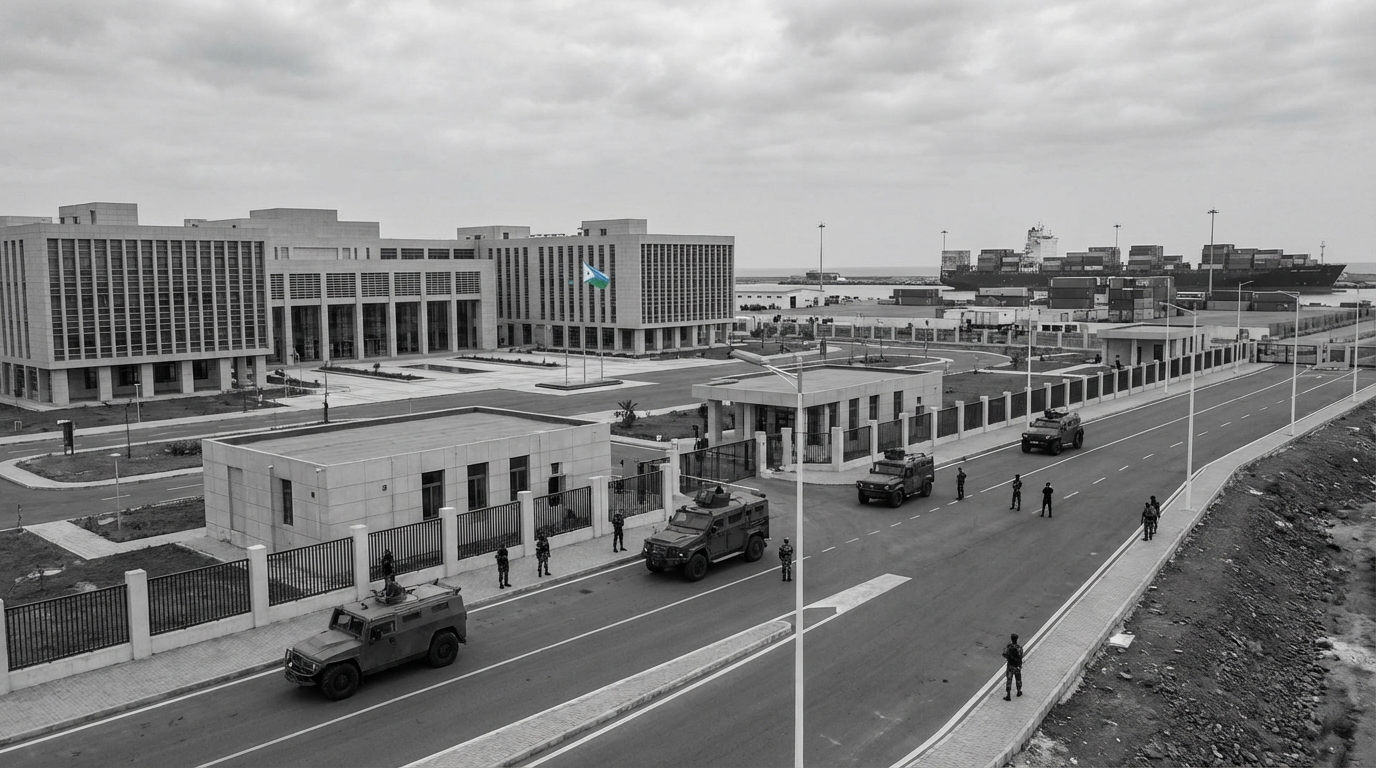
Djibouti’s incumbent president, Ismail Omar Guelleh, is positioned to secure a sixth term after the country held presidential elections on April 10, 2026. Guelleh, 78, faced a single challenger, Mohamed Farah Samatar of the Unified Democratic Centre (CDU), according to election details provided in the aftermath of voting.
Officials said around 256,000 eligible voters took part in the ballot. Provisional results were expected by Saturday morning, with the vote drawing attention because it follows a change to the constitutional framework: age limits for the presidency were removed last year.
Early voting in Djibouti City was described as subdued, with low turnout reported in the morning hours. Some polling stations in the capital opened later than scheduled, according to accounts from the day of the election.
International organizations were present to observe the process, including the African Union, the Organisation of Islamic Cooperation, and the League of Arab States. Their monitoring role was cited as part of the broader effort to track how the vote was conducted.
Opposition parties have largely stayed away from elections since 2016, citing concerns about political freedoms. The government has rejected those claims, according to statements referenced alongside the election coverage.
Guelleh has led the Horn of Africa nation since 1999, when he succeeded Hassan Gouled Aptidon. His long tenure has been framed by officials and supporters as a factor in maintaining stability in a region that is strategically important for security and commerce.
Djibouti’s geopolitical relevance is closely tied to its location and infrastructure. The country is linked to Red Sea security and sits near major global trade routes, while also serving as a key port hub for landlocked neighbors such as Ethiopia.
Foreign military deployments are another central feature of Djibouti’s international profile. The country hosts major bases for several powers, including the United States, France, and China, underscoring its role in regional security arrangements.
While provisional results were expected soon after voting, the final shape of the post-election political landscape remains an open question given the long-running opposition boycott and the government’s rejection of criticism about political space. Observers’ assessments and the official results will be closely watched for what they indicate about governance and continuity in Djibouti.