Public Outcry Forces Halt to Major AI Infrastructure Expansion
Rising public opposition to AI infrastructure is clashing with federal efforts to accelerate development, creating significant political and operational…
Atlas Newsdesk ·
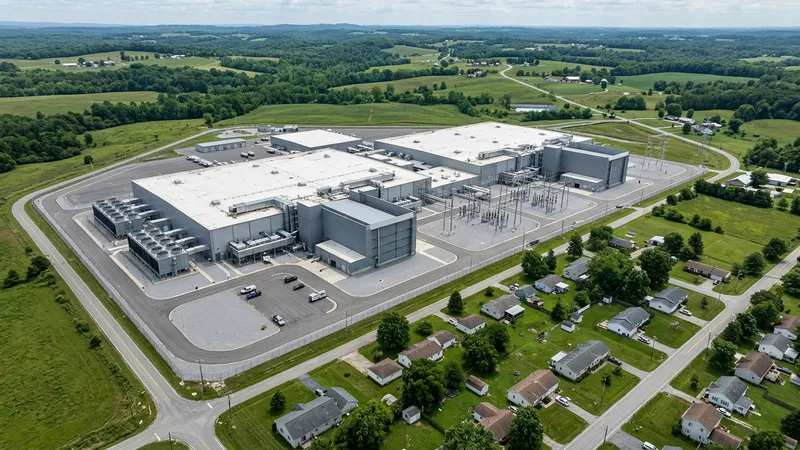
Legislative and regulatory friction is increasing as local jurisdictions implement moratoria and bans on artificial intelligence datacenter development. Public sentiment has shifted significantly, with recent polling indicating that 70% of the U.S. population views AI as detrimental to society. This decline in public trust is driven by concerns regarding existential risk, labor market displacement, and the perceived lack of democratic oversight in technological development.
Despite localized resistance, the federal government maintains a strategic commitment to AI development, primarily motivated by geopolitical competition with China. Regulatory efforts are currently underway to streamline infrastructure permitting by reducing requirements for public input on industrial facilities. This approach aims to insulate critical technology projects from local democratic interference.
Institutional risk remains elevated as the disconnect between public sentiment and national policy persists. While the tech sector retains significant political leverage, the growing trend of grassroots opposition creates long-term uncertainty for capital-intensive infrastructure projects. Policymakers must now navigate the tension between maintaining technological hegemony and addressing widespread domestic skepticism regarding the societal impact of AI.