Dell's $2.9B AI Backlog Highlights A Squeeze on Margins
Dell's stock surged on a massive AI server backlog, but contracting gross margins raise questions about the long-term profitability of the hardware boom.
Jurgen Goldmeier ·
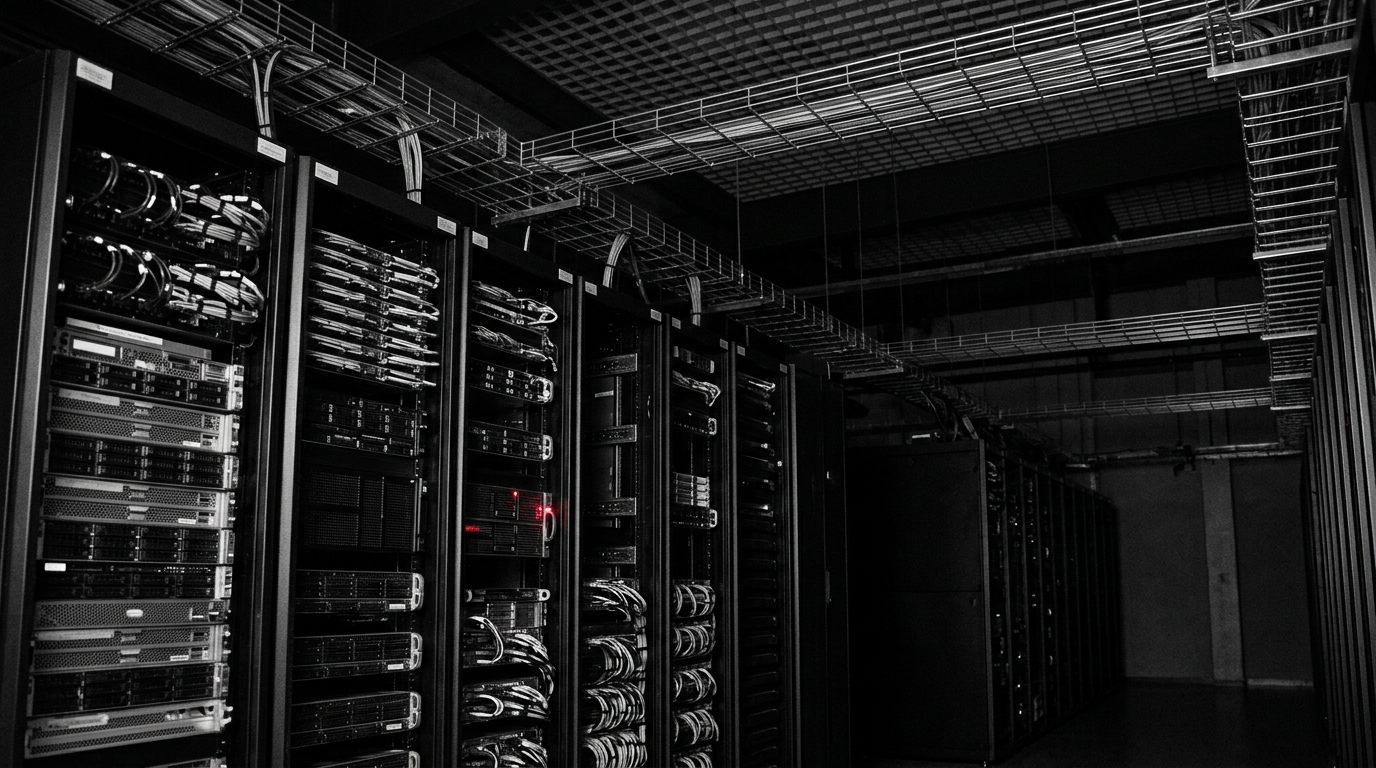
Dell's $2.9B AI Backlog Highlights A Squeeze on Margins A $2.9 billion backlog for AI-optimized servers and a 40% sequential jump in orders sent Dell shares surging over 30% after its latest earnings print. Yet the report also revealed a 310 basis point contraction in non-GAAP gross margin year-over-year. The divergence forces the market to weigh blistering AI demand against the actual profitability of selling the hardware. ## Background The market has rewarded any company with proximity to the artificial intelligence buildout, expanding the valuation "multiple"—a company's stock price relative to a metric like earnings per share (EPS)—for hardware providers. While NVIDIA has been the primary beneficiary, investors have sought secondary plays in companies that assemble and sell AI-ready systems. Dell, with its legacy PC and enterprise server business, saw its stock re-rate as traders anticipated it would capture a significant piece of this new spending cycle, even as its traditional Client Solutions Group revenue declined 12% in the quarter. Going into the print, positioning centered on whether Dell could translate its scale into a high-profit AI business. The company's full-year outlook, or "guidance," and the specific backlog for AI servers were the key data points. The debate was whether Dell would be a simple low-margin assembler of components from suppliers like NVIDIA, or if its enterprise relationships and integrated solutions would allow it to command higher prices and protect profitability from the rising cost of essential components like GPUs. ## Why it matters Dell's results offer a critical read-through for the entire hardware sector. The combination of booming AI server demand and simultaneous margin pressure suggests that value capture in the AI supply chain remains highly concentrated with core technology designers. Companies integrating those components into systems, even at massive scale, may not see the same profit profile. This challenges the narrative that rising AI capital spending lifts all hardware boats equally, putting the broader market's "breadth"—the number of stocks participating in a rally—at risk. Investors on the wrong side of this are those who bought a basket of hardware stocks expecting uniform margin expansion from the AI trend. The Dell print is a forcing function to scrutinize the sources of profit and the cash conversion cycle. For a company with a significant debt load like Dell, sustained pressure on cash flow could attract scrutiny from credit markets, not just equity investors, if the higher revenue does not translate into proportional cash generation. ## What to watch The next test for this thesis comes with Dell's first-quarter earnings report, expected by May 30. The market will focus on gross margins within the Infrastructure Solutions Group and cash flow from operations. If margins stabilize or improve as the AI server business scales, it would signal a sustainable, profitable growth path. Continued margin compression or a slowdown in high-value orders would validate concerns that the AI hardware business is more competitive and less lucrative than the top-line numbers suggest.