Deion Sanders weighs in on Shilo’s exchange with Mary Kay Cabot
Colorado coach Deion Sanders addressed his son Shilo's public interaction with reporter Mary Kay Cabot over her commentary on the Cleveland Browns.
Mehmet Şahinoğlu ·
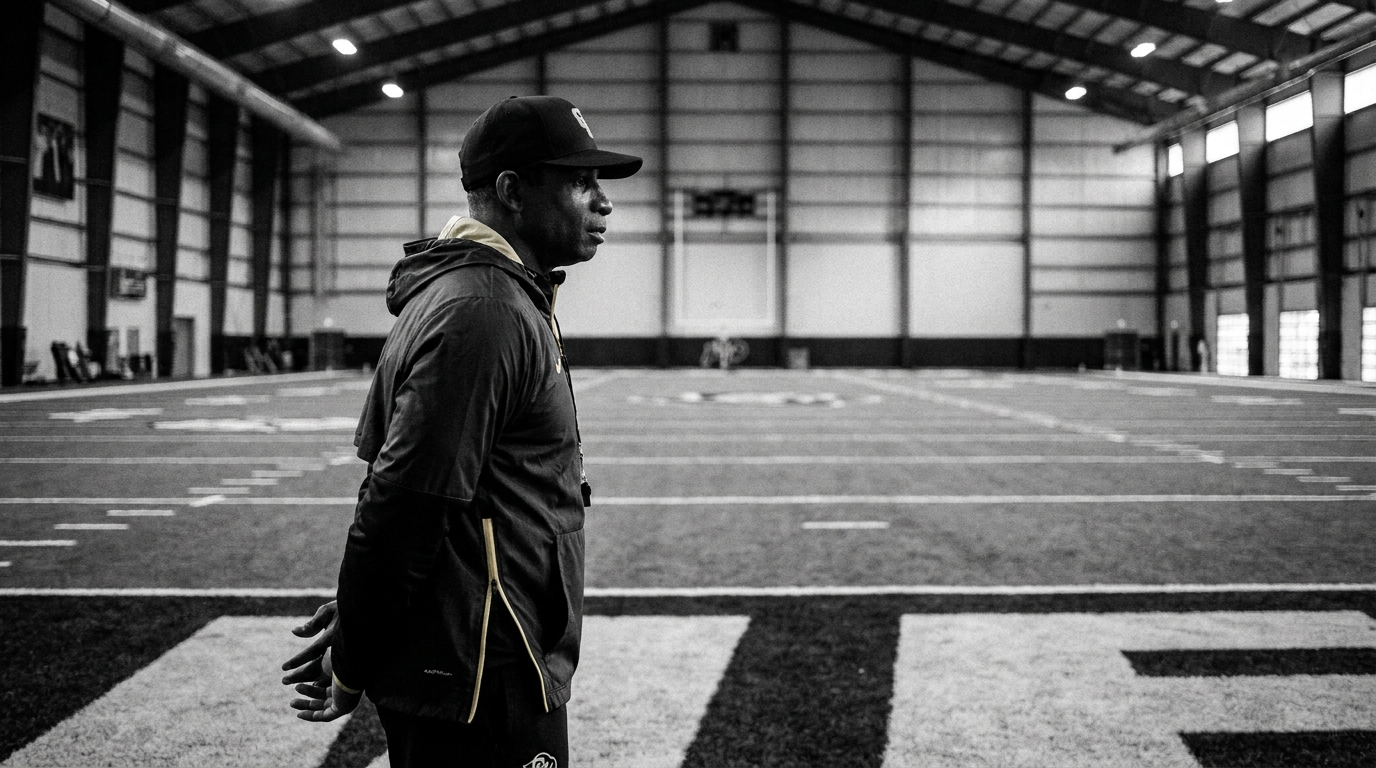
Colorado coach Deion Sanders addressed his son Shilo Sanders’ social‑media exchange with reporter Mary Kay Cabot in a recent podcast appearance, framing it as a defense of family. He said shifting dynamics between athletes and the media now allow players and coaches to respond in real time. Sanders added that public figures should expect heightened scrutiny over tone and wording when they answer commentary in public.
The discussion followed debate over Cabot’s opinion on the Cleveland Browns’ quarterback decision and the tone of Shilo’s reply. The episode has since fed a broader conversation about respect and professionalism in public discourse.
Cabot had argued that the Browns should name Deshaun Watson the starting quarterback immediately. Shilo replied on social media, “Go make a sandwich Mary,” a dismissive line that drew criticism. He separately urged that reporters focus on facts rather than opinions. Public reaction centered less on his support for his brother and more on how he phrased that support.
Sanders said he respects traditional media practices but believes the landscape has shifted, with direct‑to‑audience platforms changing how athletes engage with journalists. He characterized Shilo’s reaction as rooted in family loyalty while acknowledging that public figures face scrutiny for what they say and how they say it. By explaining the motivation without endorsing the wording, he sought to separate intent from execution.
Coach’s view on changing media norms
In his remarks, Sanders pointed to the rise of social platforms and podcasts as channels that reduce the distance between athletes and the public. That immediacy can blur the line between spontaneous reaction and considered response. For players and coaches, the ability to speak directly can be empowering, but it also raises the stakes for tone and precision, especially when addressing commentary from media professionals.
Sanders’ framing reflects a wider adjustment across sports. Athletes now routinely answer opinions with their own posts or clips, sometimes within minutes. That speed can shift attention from the underlying football question—in this case, the Browns’ quarterback plan—to the civility of the exchange, inviting judgments about respect, intent, and professionalism.
Reaction focuses on tone and professionalism
Much of the backlash targeted the dismissive nature of Shilo’s phrase rather than his decision to back his brother. Critics argued that word choice overshadowed the substance of the quarterback debate and complicated the conversation about how athletes and their families should push back on commentary they view as speculative or unfair. Supporters countered that family loyalty is a natural instinct and that instant responses are part of the modern media environment.
The incident highlights a recurring tension: reporters blend news, context, and opinion, while public figures may bristle at interpretive analysis. When responses turn personal, the focus often moves away from the football issue at hand to the appropriateness of language toward journalists. That reframing can cloud what audiences take away from the original discussion.
Opinion and reporting lines in modern coverage
The episode underscores how porous the boundary can be between opinion journalism and straight reporting. A single comment can invite strong rebuttals, particularly when it touches on franchise‑defining topics like the starting quarterback. Teams and representatives frequently revisit internal social‑media guidelines after such moments, emphasizing that the manner of expression can shape public perception as much as the message itself.
Both media professionals and athletes operate under intensified scrutiny in the social era, where posts are screenshotted, clipped, and shared widely. For athletes, that can mean a brief remark becomes the story; for journalists, it can mean that tone and framing draw as much attention as the analysis. The practical takeaway is consistent: measured language travels better and keeps the focus on the football question.
It remains to be seen whether either party will address the exchange further. Attention now turns to how Colorado’s camp approaches media interactions and whether Shilo offers additional clarification in the days ahead.