UFL introduces in-game official interviews to boost transparency
The UFL is enhancing officiating transparency through in-game interviews with officials, providing immediate explanations for on-field decisions.
Mehmet Şahinoğlu ·
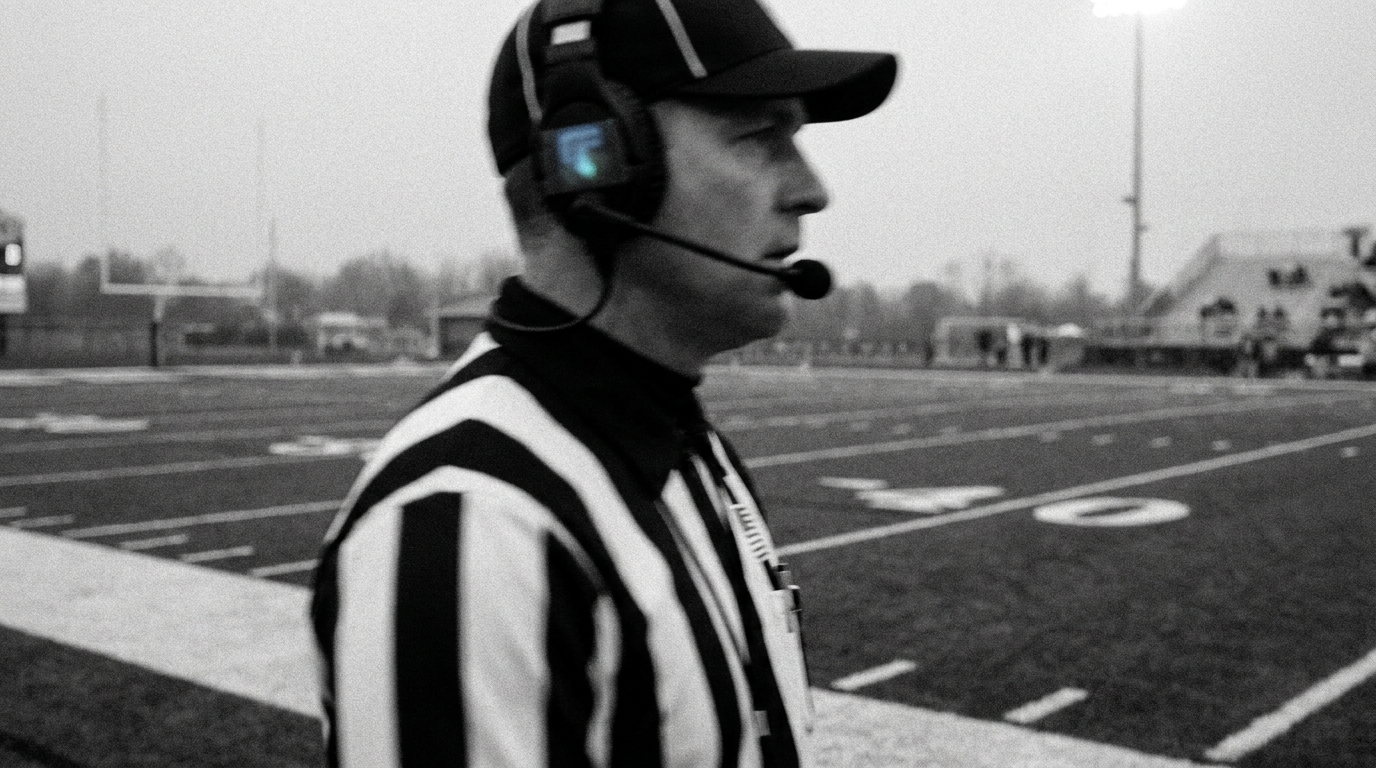
The United Football League (UFL) has begun conducting brief in-game interviews with on-field officials to explain controversial rulings, debuting the feature during a recent game in St. Louis.
Moments after a pass-interference no-call, a sideline reporter spoke with field judge Gabriel DeLeon to clarify the decision. UFL head of officiating Dean Blandino said the interviews will be used selectively to give viewers immediate insight into the "why" behind rulings.
The move marks a first for professional football broadcasts and expands the league’s transparency efforts.
League officials said the goal is not to stop games for lengthy explanations, but to answer the most pressing questions in real time when confusion spikes. By addressing decisions on camera, the UFL aims to reduce postgame controversies and keep attention on the football.
In-game explanations debut in St. Louis
Live clarification after a no-call
During the St. Louis broadcast, DeLeon explained that the no-call on a back-shoulder pass to a Battlehawks receiver stemmed from seeing no "material restriction" on the route. The exchange offered immediate context to a judgment decision that typically fuels hours of debate after the final whistle. The official ended the interview as play resumed, underscoring the league’s intent to keep interruptions brief.
Existing transparency measures extended
The UFL has for several seasons allowed broadcasts to air conversations between officials as well as commentary from its command center. Blandino and fellow officiating executive Mike Pereira routinely narrate replay decisions, walking viewers through standards and evidence. The addition of short, on-field interviews moves the explanation one step closer to the moment of the call.
Officials emphasized that these interviews will not occur multiple times per game or in every game. Instead, producers and the league will consider them when a quick explanation could resolve confusion without slowing the contest.
How the UFL’s approach differs from the NFL
NFL limits on public official comments
The National Football League (NFL) generally restricts officials from addressing decisions publicly during games, with explanations usually coming later via pool reports or written statements. Blandino, a former NFL vice president of officiating, noted that the NFL faces logistical challenges in managing league-wide transparency while multiple games run simultaneously. The UFL, by contrast, typically schedules a single game window, making real-time explanations easier to coordinate.
Selective use and potential impact
Blandino said early feedback on the UFL’s transparency efforts has been positive. Viewers may still disagree with individual rulings, but hearing the rationale can help frame debates around the standards applied rather than speculation. The league’s intent is to reduce lingering confusion after games by providing clarity during them.
Spring leagues have at times served as test beds for ideas later adopted elsewhere. The NFL’s 2024 kickoff alignment grew from experiments outside the fall league. Whether in-game interviews with officials follow a similar path remains to be seen, but the UFL believes clearer communication can benefit the sport broadly.
For now, the initiative will roll out judiciously, reserved for moments when a concise on-camera explanation can add value without disrupting flow. The league will monitor execution and reception as the season progresses.
Officials said they will continue to refine the balance between transparency and tempo. Watch for how often broadcasters request on-field explanations, how quickly they are delivered, and whether other leagues consider trials of their own.