Russia Intensifies Missile Strikes Amid Interceptor Shortages
Russia expanded July 2026 strikes as Ukraine’s interceptor shortage deepened, with 376 missiles and nearly 5,000 drones reported amid reduced coverage.
Atlas Newsdesk ·
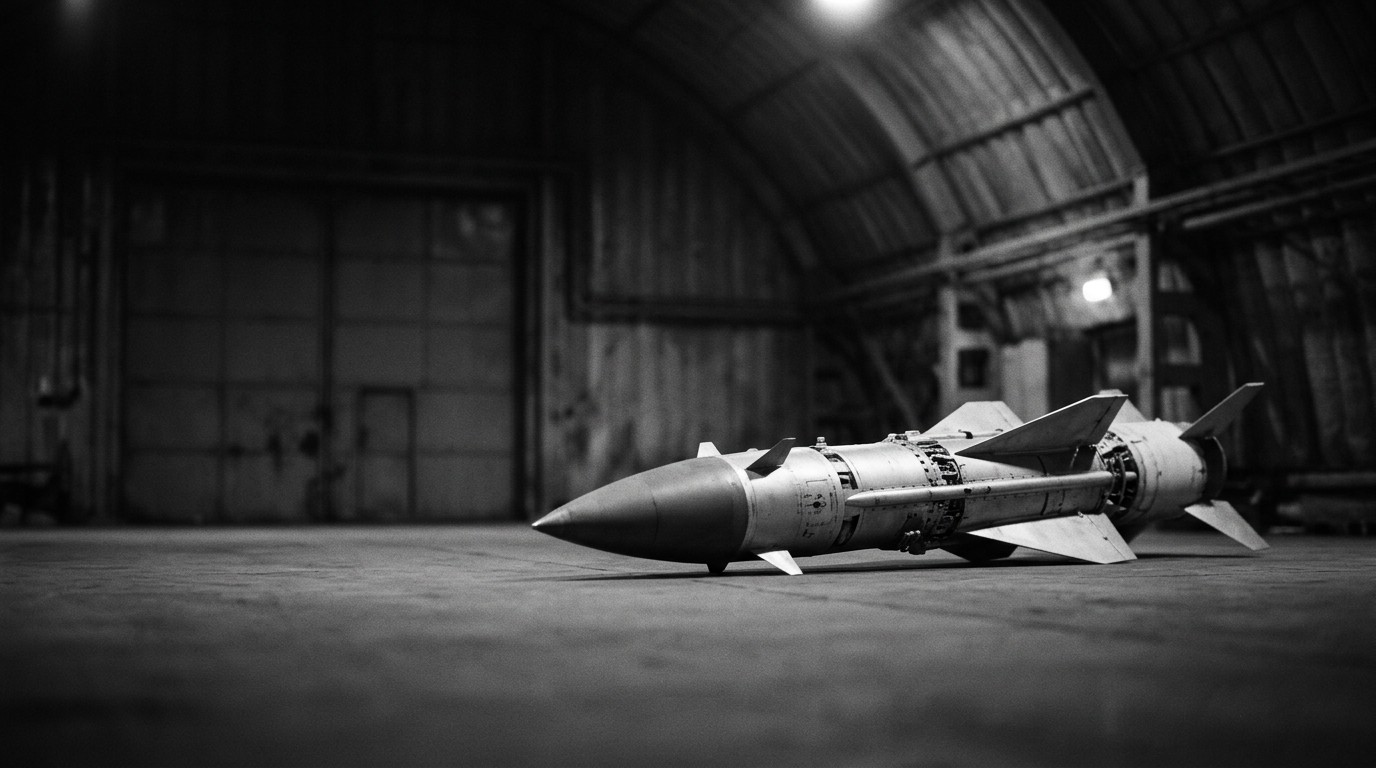
Russian forces widened their aerial campaign against Ukraine in July 2026, firing 376 missiles and launching nearly 5,000 drones, according to officials and reports cited in the source material. Ukrainian officials said the escalation is unfolding as air-defense interceptor supplies tighten, reducing how much airspace can be covered reliably during successive attack waves.
The same account described July as having the war’s highest casualty rate since May 2022, with repeated strikes hitting residential areas and key infrastructure. Ukrainian officials said the pattern of repeated sequences—rather than isolated incidents—has intensified pressure on civilian life and essential services.
Interceptor shortages narrow defended airspace
Ukrainian officials said interceptor scarcity is becoming a Ukrainian officials said interceptor scarcity is becoming a defining operational constraint, because it dictates how many incoming targets can be engaged and how consistently defended zones can be maintained. As stocks shrink, they said it becomes harder to sustain protection across multiple locations at once, especially when attacks arrive in waves that force rapid, repeated engagement decisions. Officials said the White House has redirected PAC-2 and PAC-3 missile interceptors to Middle East allies and to domestic strategic reserves. The source description said this reallocation has left Ukraine with about 10 percent of the interceptor stock it would need to effectively secure its airspace. Ukrainian officials said they continue to press partner countries for additional supplies, aiming to limit damage to civilian infrastructure while keeping military logistics functioning under sustained aerial pressure. Officials and analysts cited in the source said a widening mismatch has emerged between the number of incoming targets and the volume Ukraine can consistently engage.
Production rates shape the balance in the air
Lockheed Martin’s facility in Arkansas The source material pointed to manufacturing capacity as a key reason depleted interceptor stocks cannot be replaced quickly. Lockheed Martin’s facility in Arkansas, which produces PAC-2 and PAC-3 interceptors, was described as making roughly 50 units per month, limiting how rapidly additional missiles can reach Kyiv even when demand rises. By contrast, Russian manufacturing plants were reported to be sustaining output of up to 300 missiles per month. Officials said the imbalance becomes sharper when monthly production and monthly expenditure move at different speeds, influencing where air defense can be concentrated and how long protection can be sustained as strike volumes remain high. Diplomatic uncertainty alongside sustained strike tempo Analysts cited in the source material said an offensive maintained at this pace can strengthen a perception of momentum for the Kremlin, which they said can complicate prospects for diplomatic engagement. The account added that a central uncertainty is how quickly Ukraine can secure alternative deliveries and whether broader air-defense coverage can be restored while the current strike tempo continues.
Ukrainian officials said their immediate priority remains reducing harm to civilian infrastructure while maintaining military logistics during repeated aerial attacks. For partner countries, the source account said the situation highlights how allocation decisions and manufacturing timelines can translate directly into battlefield conditions when strike volumes rise and air-defense stocks are strained.