D.C. driving risk ranks second in Allstate city report
Allstate ranked D.C. No. 2 for driver risk, citing property-damage claims, phone use and nighttime travel.
Sophie McAlister ·
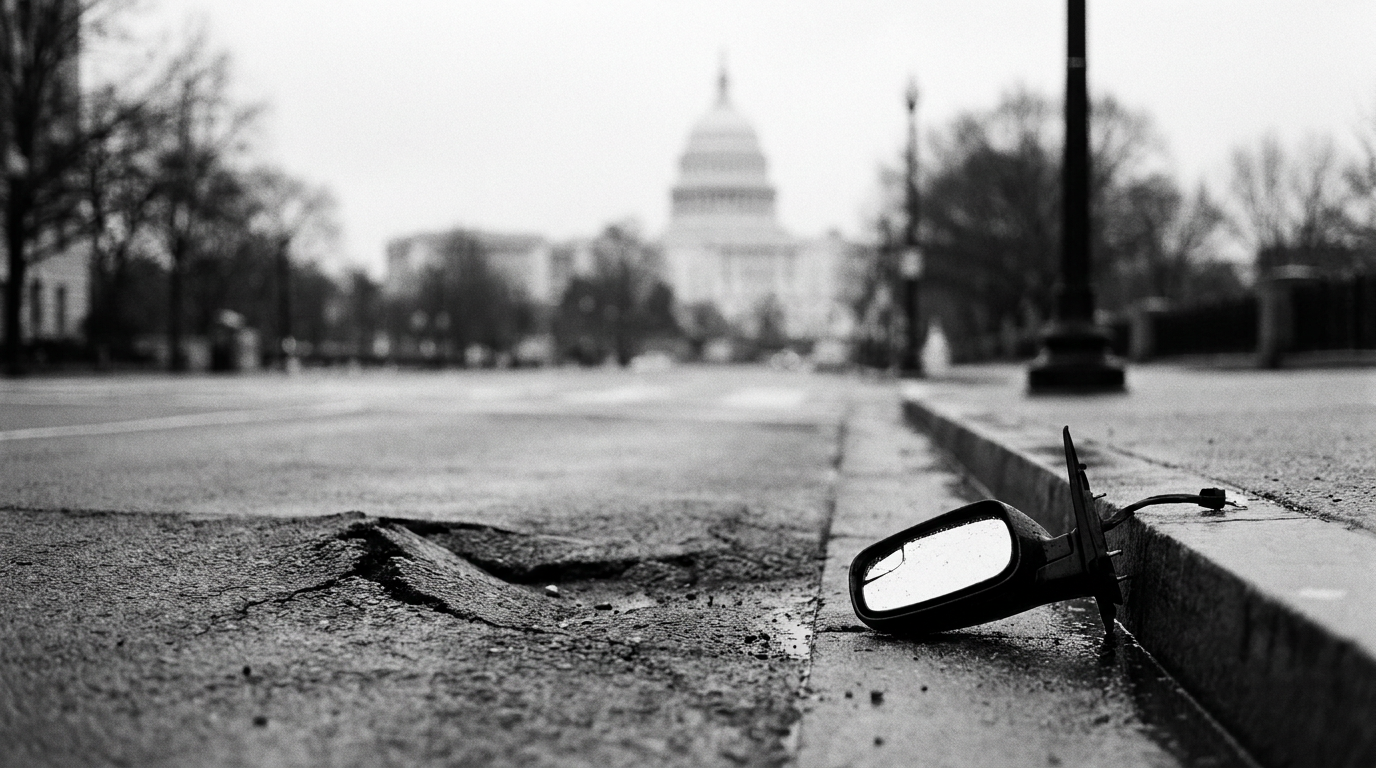
D.C. driving risk ranks second nationally in an Allstate report using claims and behavior data from 2023 and 2024 for city drivers.
Allstate placed the District behind only Boston after reviewing crashes, collision frequency and selected conduct behind the wheel. The insurance company said the review looked at property-damage claims from January 2023 through December 2024, a two-year window that captured how often vehicles were involved in incidents.
Claims put D.C. near Boston
The report's top tier was concentrated in older, dense cities where traffic patterns can be harder to navigate. Boston ranked first, followed by D.C., Baltimore, Worcester, Springfield, Glendale, Providence, Sunrise Manor, Los Angeles and Philadelphia.
The collision gap was stark. Allstate said the average driver around D.C. goes about four years between collisions, while drivers in Brownsville, Texas, the lowest-risk city in the report, go about 15 years between crashes.
That comparison gives the ranking its practical weight. For a driver in the District, the claims pattern described by Allstate suggests far less time between incidents than in the report's safest city.
Phones and night trips counted
Allstate also cited driver behavior, including frequent phone use, as part of the District's risk score. The company said D.C. was further penalized for high levels of nighttime driving, which the report treated as an added hazard.
One driver described the street-level mix as a daily test of attention. "It is risky, yeah. I've seen a lot of close calls," the driver said, after pointing to phones, bike lanes and motor scooters as sources of tension.
The District's traffic environment is also shaped by people who enter the city for work, deliveries or ride-hailing trips. That means the claims picture may reflect regional movement as much as the habits of people who live inside D.C.
Commuters complicate the District score
Local Allstate agent Rudy Alston said the ranking should not be read only as a judgment on District residents. "I think a lot of it isn't so much from D.C. natives," he said.
Alston pointed to drivers coming from Maryland and Virginia who may be less familiar with D.C. traffic rules and street conditions. He also cited congestion involving pedestrians, Uber drivers, Door Dash scooter riders and Metrobuses as factors that make the city harder to drive through.
That regional explanation matters because D.C. functions less like an isolated city and more like a daily crossroads for the Washington area. Commuters, delivery workers and transit vehicles all share limited road space with residents, cyclists and scooter riders.
The report does not say whether any single behavior caused the District's ranking. It does, however, identify the categories Allstate used: crash volume, how often collisions occur and behaviors that raise the risk of a claim.
Phone use becomes the test
The immediate issue for drivers is whether the factors named by Allstate can be reduced in future reporting periods. If phone use and nighttime travel remain common, D.C.'s position in the ranking may continue to reflect a higher claims burden for insurers and motorists.
If commuters become more familiar with District rules and congestion patterns, Alston's explanation suggests the city could improve without assigning blame only to local drivers. For insurers, the next signal will be whether property-damage claims from the District move closer to the safer cities in future data.