Washington air quality exposes fireworks pollution risks
Washington air quality fell to very unhealthy levels after July 4 fireworks, prompting regional alerts as heat and pollution strained outdoor plans.
Sophie McAlister ·
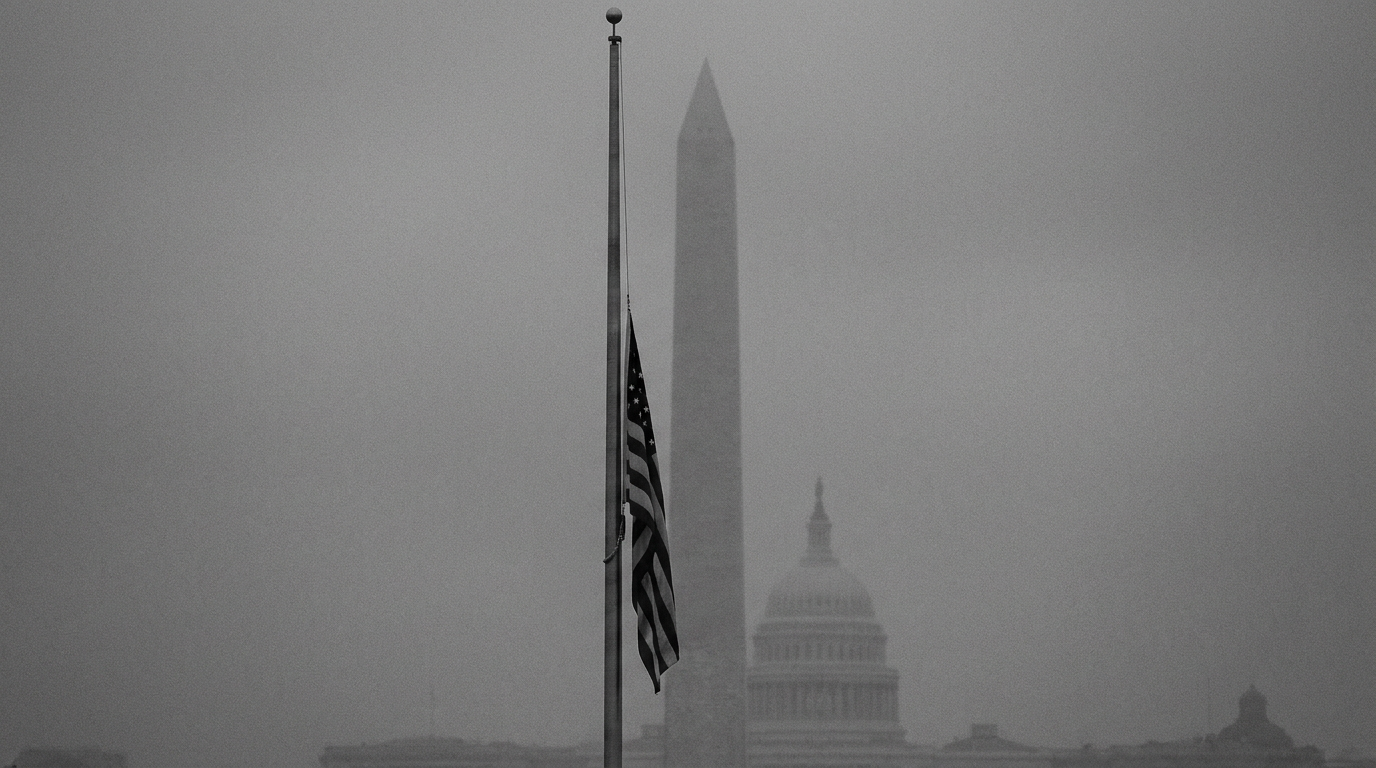
Washington air quality fell to very unhealthy levels Sunday after July 4 fireworks, prompting warnings across the District and Northern Virginia.
The Metropolitan Washington Council of Governments issued a purple alert for the capital and parts of Northern Virginia, placing the area in a category associated with very unhealthy air. Regional guidance said even short periods outside could carry health risks, especially for residents already vulnerable to pollution.
Purple alert covers the District
The council, a nonprofit group that coordinates local governments in the Washington region, tied the warning to pollution conditions that developed after Saturday night celebrations. Researchers connected the deterioration to large fireworks displays held for the July 4 holiday.
Under the purple classification, people in sensitive groups were told to avoid outdoor exertion, while others were urged to limit lengthy or strenuous activity outside. The groups include residents with cardiac or respiratory conditions, older adults, pregnant people, children, teenagers, outdoor workers and people more likely to suffer from poor air.
Areas outside the core of the region had less severe ratings Sunday. Some suburbs received orange alerts, a level considered harmful mainly for sensitive residents, while parts of Maryland were placed under yellow alerts, meaning moderate pollution that could affect only unusually sensitive people.
Fireworks smoke meets summer heat
The timing made the episode more disruptive for Washington families and visitors moving through a crowded holiday weekend. Organizers in the capital had scheduled an unusually large Fourth of July program, including a fireworks show described by organizers as the biggest display ever planned over D.C. skies.
Saturday’s events also collided with dangerous heat across broad sections of the United States. In the District, organizers temporarily stopped scheduled programming because of the temperature, and the National Weather Service kept a heat advisory for D.C. and nearby parts of Maryland and Virginia until 8 p.m. ET Sunday.
IQAir, a Swiss air quality technology company, ranked Washington sixth on its global city pollution list Sunday. The company placed Lahore in Pakistan first and Kinshasa in the Democratic Republic of Congo second, followed by Jakarta, Jerusalem and Tel Aviv before Washington.
The company said its maps showed pollution concentrations rising across major U.S. metropolitan areas overnight from Saturday into Sunday after fireworks celebrations. Detroit briefly reached the top of IQAir’s global ranking early Sunday, while Chicago, Minneapolis and Washington also moved near the upper tier.
Weeklong recovery depends on clearing air
Regional conditions started to improve Monday, and officials expected air quality to move closer to normal during the week. The immediate public health question is how quickly fine particles from fireworks smoke disperse after heavy holiday displays, especially when hot weather keeps more residents physically stressed.
If the improvement continues, the direct effect for Washington would be narrower health guidance and fewer limits on outdoor routines in neighborhoods, parks and job sites. For local event planners and public agencies, the weekend offers another data point in the trade-off between large civic celebrations and short-term pollution spikes.
If pollution lingers or another heat episode develops, sensitive residents could face a longer period of reduced outdoor activity. At the sector level, air monitoring firms, municipal planners and public health agencies are likely to draw more attention as cities weigh fireworks traditions against air quality warnings and heat risk.