DC Council makes legislative records available through its online LIMS
Access DC bills, committee materials, hearing records & legislative documents via the Council of the District of Columbia's public LIMS on dc.gov.
Sophie McAlister ·
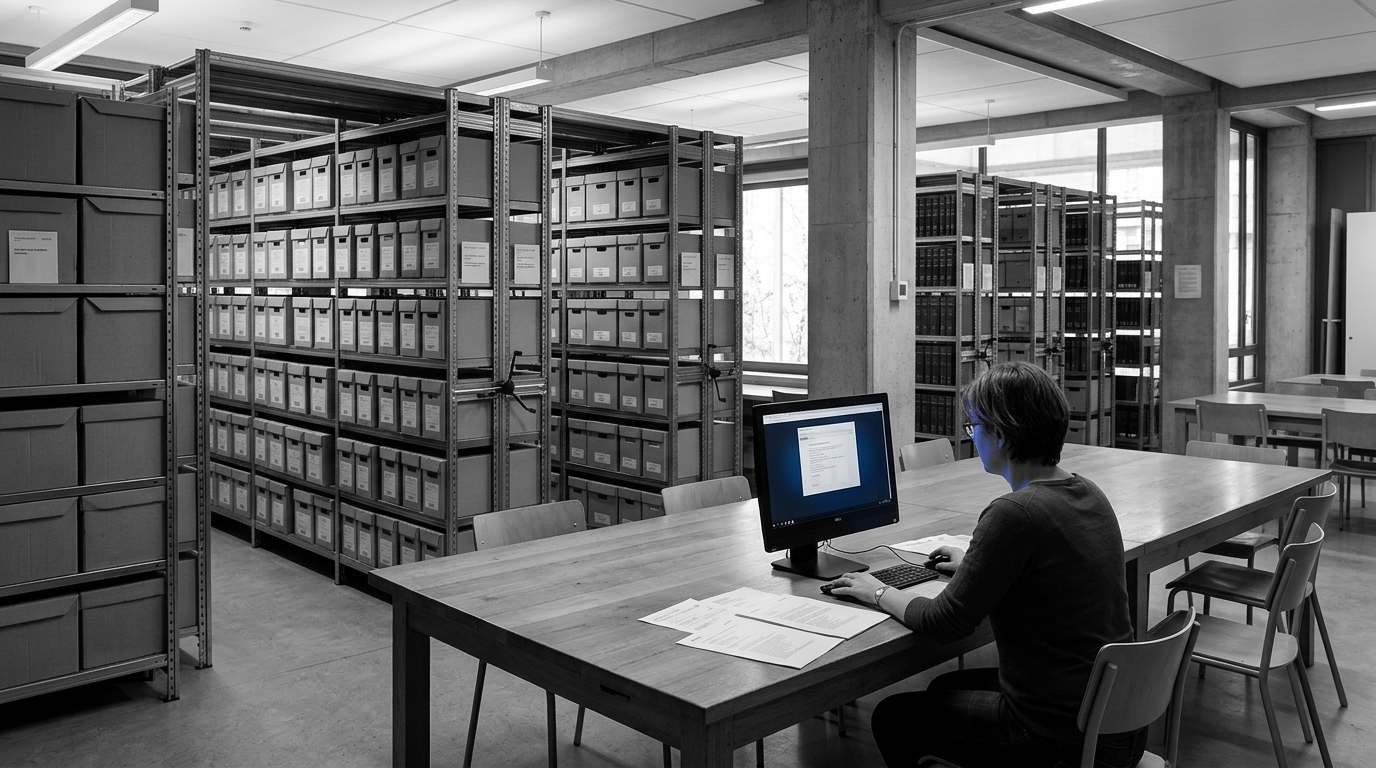
The Council of the District of Columbia hosts a public Legislative Information Management System on its official dc.gov pages, providing residents and local stakeholders with centralized access to the city’s legislative records as listed on the Council’s website. The online LIMS is the Council’s primary public repository for bills, committee documents, hearing records and other legislative materials that shape local policy.
According to the Council’s site, the LIMS is intended to make the legislative workflow more transparent and searchable for the public. The system is used to post proposed and enacted legislation, committee reports, hearing schedules, meeting minutes and voting records. Users can consult the database to follow the progress of measures before the Council and to retrieve official documents tied to lawmaking in the District.
What the LIMS contains
The LIMS aggregates a range of documents that form the public legislative record. Typical entries include bill texts and amendments, committee reports, hearing transcripts or recordings, and final votes. This consolidated archive allows anyone — including residents, journalists, lobbyists and legal professionals — to check the status of legislation and review the official documents generated during Council business.
Who relies on it and how
Local policymakers, advocates and neighborhood groups rely on the LIMS to track proposals affecting zoning, budgets, public safety, housing and other District issues. The system is also a primary reference for attorneys, consultants and agencies that need authoritative legislative language and procedural histories. Journalists and civic technologists use it to monitor Council activity and to verify what the Council has formally recorded.
Because the LIMS is housed on the Council’s official website, entries in the system serve as the formal public record for the District’s lawmaking. Documents found there are those that are posted by the Council and are used as references in hearings, committee work and final enactments.
Access and civic use
Residents and organizations can consult the LIMS when preparing testimony for hearings, tracking rules and reporting on local policy changes. The system’s searchable archive supports transparency by making legislative histories and official documents accessible without intermediaries.
Maintaining an up-to-date, publicly accessible LIMS is part of how the Council publishes its legislative work. For people who engage with the District’s policymaking — from neighborhood activists to professional stakeholders — the LIMS is the authoritative starting point for tracking and researching Council actions.
Watch for postings and updates on the Council’s website for the latest documents and any changes to the LIMS interface or navigation that could affect how the public accesses legislative records.