Western snowpack hits record lows in late March 2026
Western snowpack hit record lows in late March 2026, with SWE far below average across key basins, tightening water outlooks.
Ayla Demirhan ·
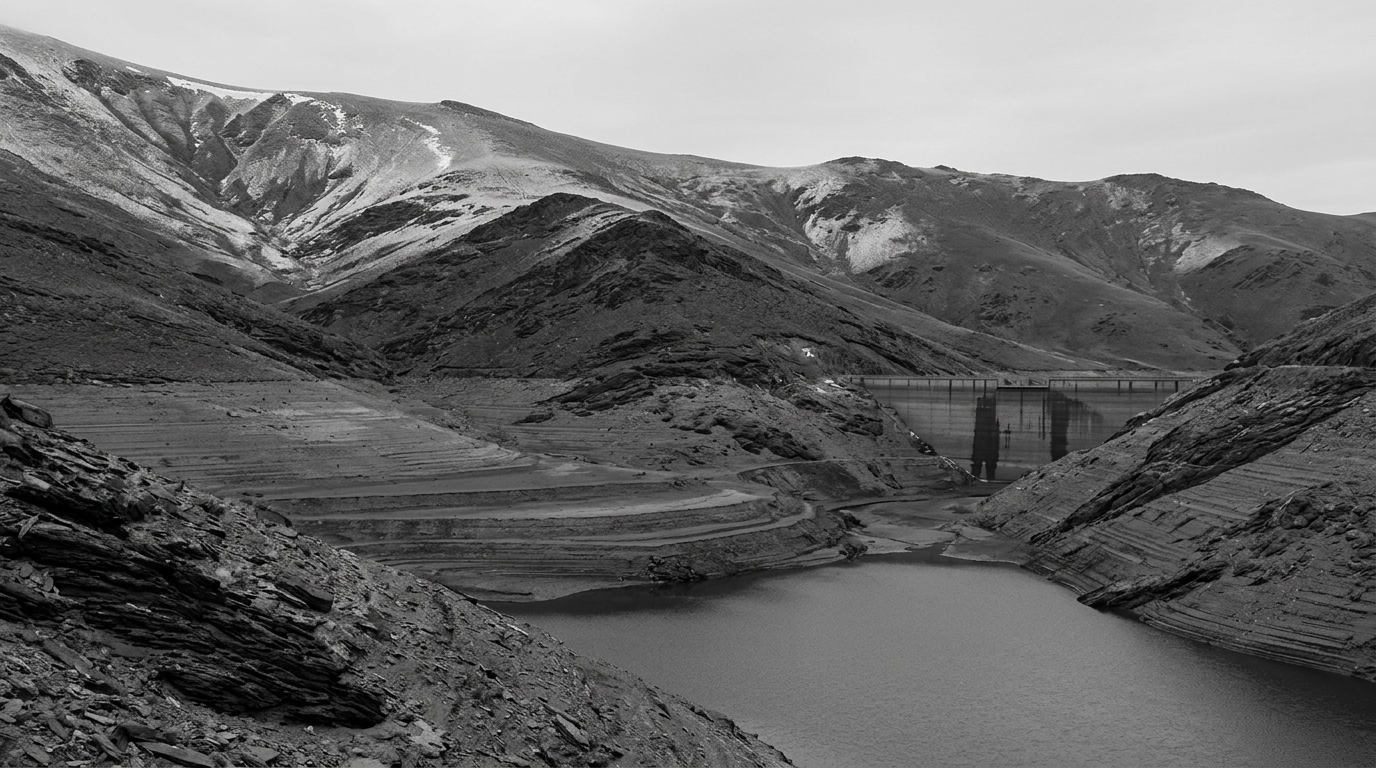
Snowpack across the western United States fell to unprecedented lows in late March 2026 , after a historically warm winter followed by severe March heat that sped up melting, according to snow surveys and satellite imagery. The rapid melt-off is tightening expectations for water availability heading into the region’s dry seasons, with implications for municipal supplies and large agricultural areas that depend on spring runoff.
Measurements of Snow Water Equivalent (SWE) show how far conditions have deteriorated. California’s Sierra Nevada registered 4.9 inches of SWE, described as 18% of its average. In the Colorado River headwaters—an area described as vital for over 40 million people—SWE measured just over 4 inches, or 24% of its average.
Officials and experts cited the March heat as a central driver, saying it accelerated the loss of an already limited snow base. The reported levels were described as less than half of previous record lows for this point in the season, underscoring how quickly the snowpack has moved toward end-of-season conditions.
The shortfall is not confined to one state or watershed. Across the Southwest and Intermountain West, the Great Basin was reported at 16% of its average SWE. The lower Colorado region was listed at 10%, and the Rio Grande basin at 8%, pointing to broad stress across multiple river systems that support cities, farms, and ecosystems.
Experts from institutions including Colorado State University said additional snowfall remains possible, but they cautioned it is unlikely to materially change the water-supply outlook. They noted that the current SWE readings are typically seen much later in the melt season—around May or June—suggesting the region has effectively lost weeks of expected snow storage that normally releases water gradually into rivers and reservoirs.
For markets and policymakers, the immediate issue is the reduced natural “reservoir” function of mountain snowpack, which can shift water management decisions earlier in the year. The situation also raises operational challenges for water agencies and agricultural planning across the West, while adding another data point for investors and governments tracking climate-linked volatility in resource availability.
Key uncertainties remain around late-season storms and how remaining snow, if any, translates into runoff under continued warmth. Even with some new snow, the reported SWE percentages indicate a steep deficit that officials and experts say is unlikely to be reversed before the dry season arrives.