Hong Kong Performs First Robotic Pelvic Fracture Surgery
Hong Kong researchers have completed the city's first robot-assisted pelvic fracture surgery, enhancing precision for complex trauma in an aging population.
Atlas Newsdesk ·
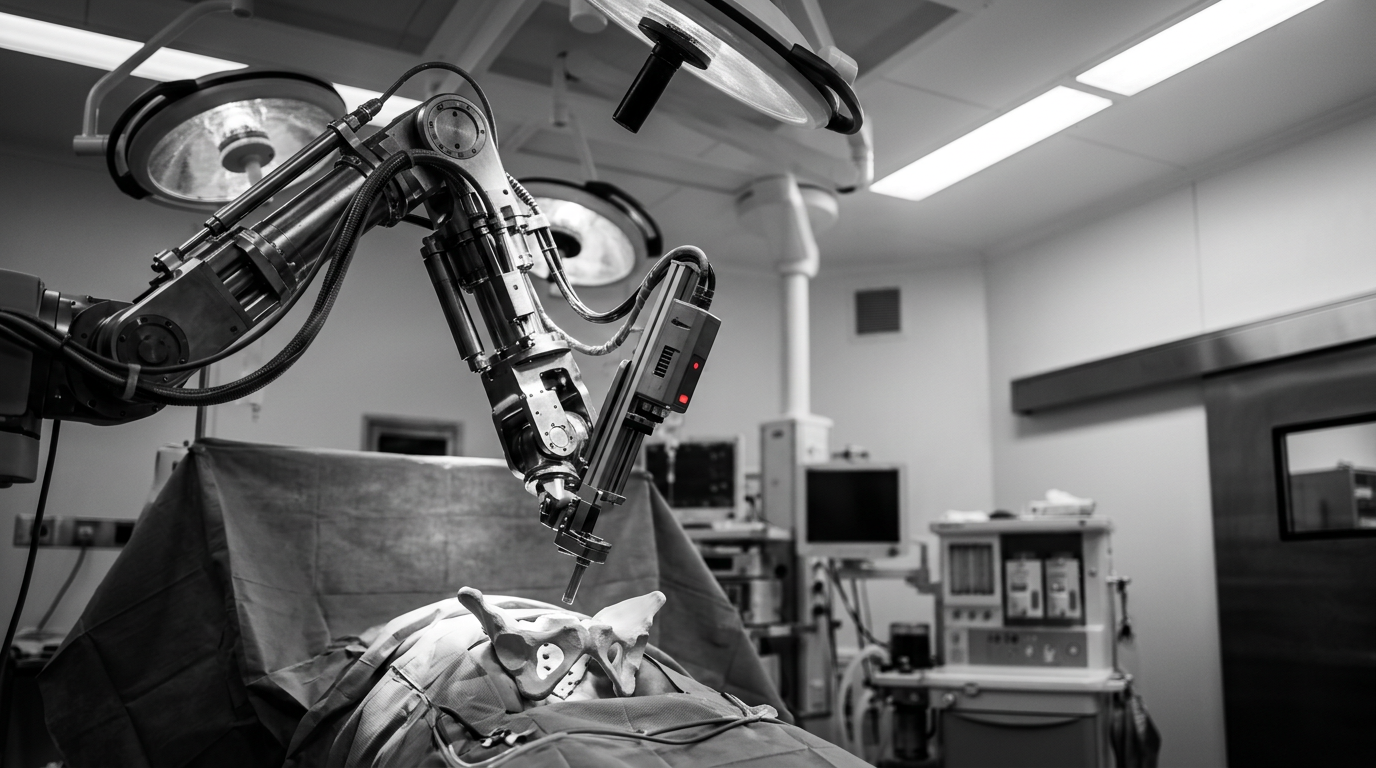
Medical researchers in Hong Kong have successfully carried out the city's inaugural robot-assisted pelvic fracture operation. This advanced surgical technique leverages an innovative orthopedic robotic platform, specifically engineered to boost precision and lessen the invasiveness of intricate trauma procedures. The introduction of this technology responds to a growing clinical requirement for interventions related to pelvic fractures, a demand driven by the city's progressively aging population.
Pelvic fractures are notoriously challenging injuries, often resulting from high-impact trauma. Traditional surgical methods for repairing these fractures carry significant risks due to the close proximity of critical organs, major blood vessels, and sensitive nerve structures within the pelvic region. This delicate anatomy can lead to considerable blood loss and extended recovery times when conventional open surgical approaches are used.
Robotics Enhance Surgical Safety
The robotic system employed aims to mitigate surgical trauma, offering the potential to reduce intraoperative blood loss and subsequent post-operative complications for patients. Clinical data suggests that such minimally invasive approaches can significantly improve patient outcomes, particularly for high-risk individuals. This technological advancement signifies a notable evolution in trauma care protocols, especially beneficial for geriatric patients.
Older adults frequently present with multiple pre-existing health conditions, known as comorbidities, which can complicate traditional surgical interventions and increase the likelihood of adverse events. The precision offered by robotic assistance allows surgeons to perform complex maneuvers with greater accuracy, potentially minimizing tissue damage and accelerating recovery for these vulnerable patients.
Broader Impact on Healthcare Protocols
The integration of this robotic technology is anticipated to elevate safety benchmarks for demanding orthopedic procedures across the local healthcare infrastructure. Globally, robotic surgery has seen increasing adoption in various medical specialties, including urology, gynecology, and general surgery, due to its documented benefits in enhancing surgeon capabilities and improving patient recovery profiles.
The successful implementation of this robot-assisted procedure in Hong Kong positions the city at the forefront of advanced orthopedic trauma care in the region. It underscores a strategic investment in technologies that can address the specific health challenges posed by an aging demographic, ensuring that complex injuries can be managed with the highest possible degree of precision and safety.
Future Implications for Trauma Care
This development is expected to pave the way for broader application of robotic systems in other intricate orthopedic and trauma cases. It also highlights an ongoing trend in medicine towards less invasive procedures that reduce hospital stays and improve the overall patient experience. As populations continue to age worldwide, the demand for sophisticated, low-risk surgical solutions for conditions like pelvic fractures will only grow, making innovations like this increasingly vital for modern healthcare systems.