Social Media Feeds Flood With Mental Health Content
Mental health information shared by licensed clinicians is rapidly expanding on social media, with TikTok's #MentalHealth tag exceeding 100 billion views…
Atlas Newsdesk ·
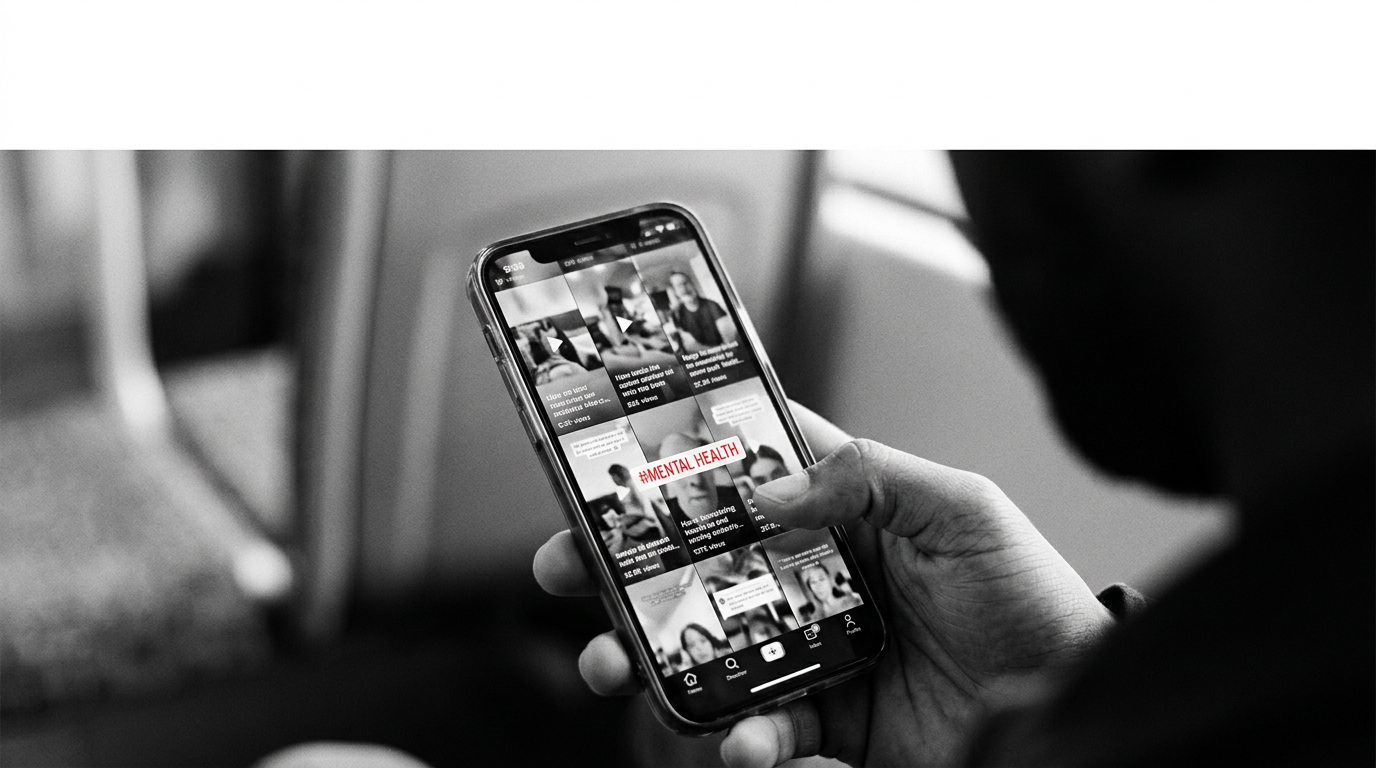
Social media platforms are experiencing a significant increase in the dissemination of mental health information by licensed clinicians, marking a notable shift in how individuals access psychological guidance. This digital evolution is propelled by existing systemic obstacles to formal mental healthcare, including substantial costs, societal stigma, and a global scarcity of mental health specialists.
The #MentalHealth hashtag on TikTok, for instance, accumulated over 100 billion views by August 2023. This figure represents a considerable growth in user engagement with psychoeducational material, an increase from 25.3 billion views recorded in March 2022. This migration from traditional therapy settings to online feeds highlights social media's emerging role as a key source for information, peer support, and avenues to professional clinical services.
Digital Outreach and Accessibility Benefits
The transition of professional mental health practices into the digital realm offers substantial advantages in terms of accessibility. Clinicians are actively utilizing platforms to enhance mental health literacy among the general public and to broaden their own private practices. This approach helps bridge gaps where traditional care is often out of reach for many who need it.
Data from the World Health Organization projects that by 2025, only nine percent of individuals experiencing depression will receive adequate treatment. Furthermore, many countries report a stark ratio of just one psychiatrist for every 200,000 people. These statistics underscore the critical need for alternative channels of support and information, which social media is increasingly providing.
Navigating Ethical Challenges and Regulatory Gaps
Despite the benefits, the integration of mental health professionals into the digital sphere introduces complex ethical challenges. Experts concerns regarding the blurring of professional boundaries in these online environments. Direct messaging, for example, prevents clinicians from conducting necessary clinical assessments, which could compromise patient care.
Another significant risk is the potential for users to mistake social media popularity for genuine professional expertise. This necessitates the development of more robust regulatory frameworks to ensure patient safety and uphold clinical standards. Without clear guidelines, the quality and appropriateness of digital mental health advice may vary significantly, potentially leading to adverse outcomes for vulnerable individuals seeking support.
Future Implications for Mental Healthcare
The continued growth of mental health content on social media points to a future where digital platforms play an even more integral role in health education and preliminary support. This trend demands careful consideration from policymakers, healthcare organizations, and mental health professionals alike to harness its potential effectively while mitigating inherent risks.
Balancing broad accessibility with rigorous ethical oversight will be crucial for the responsible evolution of digital mental healthcare.