China-Cuba intelligence allegations raise US security alarm
China-Cuba intelligence allegations and US tariffs are driving Latin America’s trade shifts, as Chile engages Beijing and Brazil imports $5.2B in vehicles.
Atlas Newsdesk ·
Several Latin American governments are adjusting trade and security positions as pressure builds from the United States and China, according to recent developments in the region. The shift is showing up in both diplomatic outreach and commercial flows, alongside renewed scrutiny of security issues linked to Cuba.
Chile has moved to increase senior-level engagement with Beijing after the United States imposed new tariffs on Chilean exports. Officials have framed the outreach as part of managing trade risks in a changing external environment, while the timing has been closely tied to the new US measures.
Chile steps up diplomacy with Beijing after US tariffs The high-level Chilean engagement with China comes as regional economies weigh how to protect export access and reduce exposure to sudden policy changes. The new US tariffs on Chilean exports have added urgency to those calculations, prompting visible diplomatic activity toward Beijing.
The development also reflects a broader pattern in which governments in the region are reassessing how trade policy interacts with geopolitics. The immediate facts provided point to tariffs as the trigger for Chile’s diplomatic move, while the longer-term direction of policy remains uncertain.
Brazil becomes top global importer of Chinese vehicles
Brazil has become the world’s largest importer of Chinese vehicles, with imports totaling $5.2 billion in the first five months of 2026 . The scale of those purchases underscores how quickly automotive trade between Brazil and Chinese manufacturers has expanded.
The surge has been described as an effort to secure inventory in advance of anticipated tariff adjustments. That dynamic indicates companies are responding to expected changes in border costs by accelerating shipments, a pattern that can reshape short-term trade figures without clarifying how demand will look after tariffs are revised.
Beyond the immediate commercial effect, the figures highlight deepening economic ties between Brazil’s market and China’s industrial base. How durable that integration proves to be will depend on the details and timing of any tariff changes referenced in the reports.
Allegations of three China-linked sites in Cuba
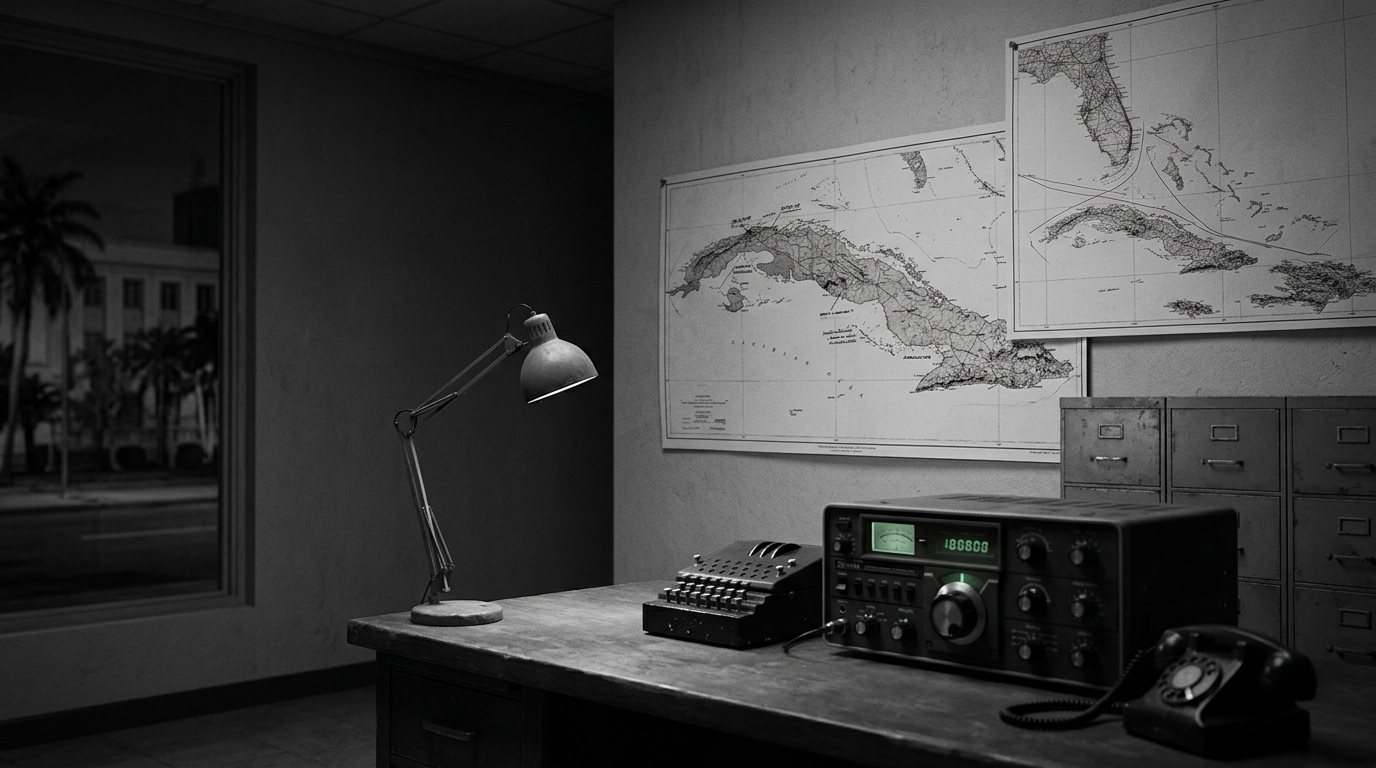
Security concerns have sharpened following allegations that China is operating three intelligence-gathering facilities in Cuba. The sites are reportedly used to monitor United States military activity, raising regional security sensitivities.
Officials have portrayed the allegations as a serious challenge to stability and as a factor that could complicate already difficult diplomacy between Washington and Havana. The claims, as presented, focus on surveillance and monitoring, but no additional operational details were provided in the source material.
The wider regional impact remains tied to how the parties involved respond publicly and through policy. For now, the combination of tariff-driven trade recalibration and heightened security allegations is adding strain to an already contested strategic landscape in the Americas.