AI wildfire tracking speeds alerts across France
AI wildfire tracking in France is replacing lookouts with camera networks that can spot ignition points up to 15 minutes faster, officials said.
Atlas Newsdesk ·
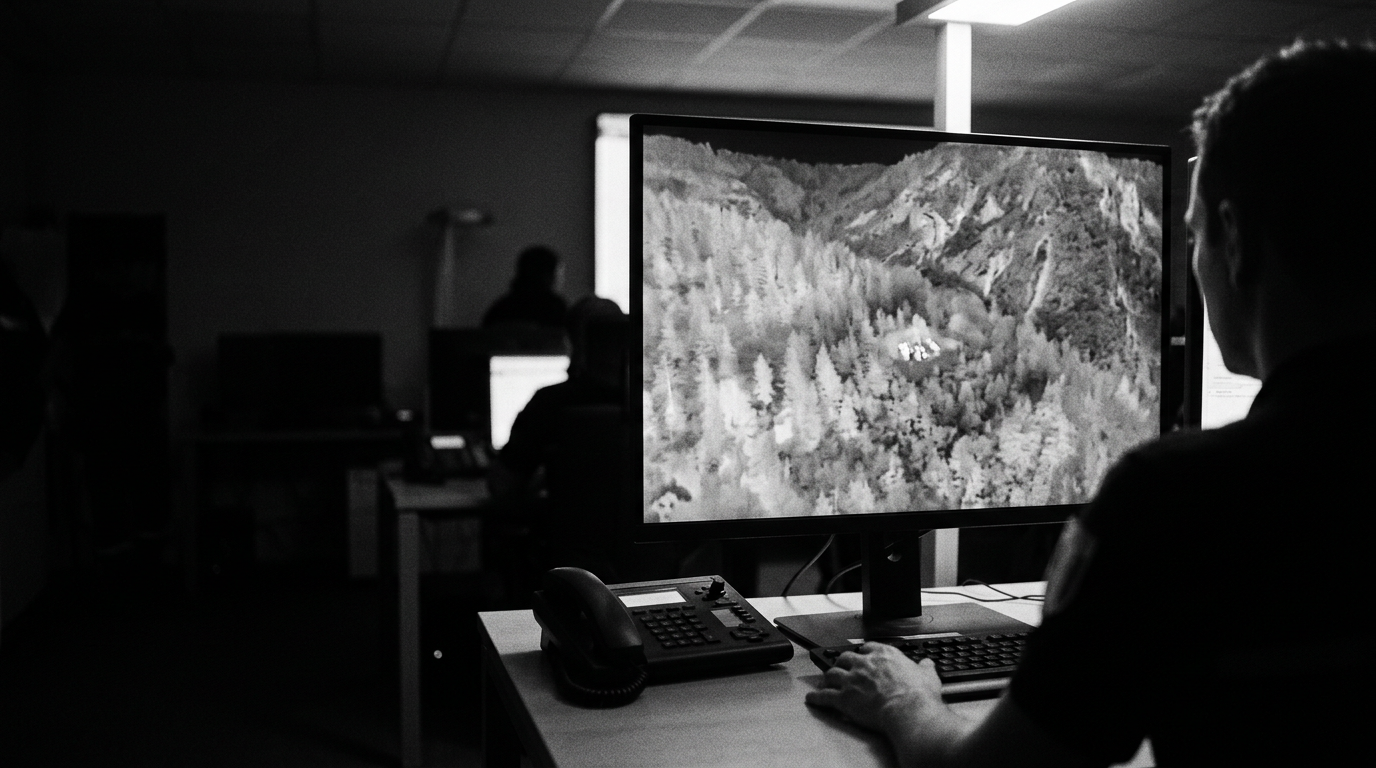
French emergency services are expanding the use of artificial intelligence-assisted camera networks to spot wildfires earlier, shifting technology efforts from fighting flames to identifying ignition points quickly. Officials say the systems are designed to cut the delay between the first signs of smoke and the arrival of ground crews.
In the Gironde region and other French departments, automated monitoring has replaced human lookout posts. The camera networks are built to tell the difference between smoke and dust from distances of up to 20 kilometers, enabling rapid screening of potential threats before a call reaches dispatch.
Automated cameras replace lookouts in several departments
According to officials According to officials, the AI-enabled setups deliver real-time video feeds to firefighting units, alongside precise geolocation to help crews navigate to the suspected ignition area. The same platforms can also provide predictive spread modeling, giving commanders a picture of where a fire could move if conditions allow it to grow. The central objective is reducing response latency. Officials said the systems can identify ignition points up to 15 minutes faster than traditional reporting methods, allowing teams to focus on containment while a fire remains small enough to manage with standard ground tactics. Costs, coverage, and limits of today’s tools In the Indre-et-Loire department, authorities established coverage over a 6,000-square-kilometer area for approximately 1.2 million euros. The monitored zones include both forests and agricultural areas, reflecting the need to detect not only woodland fires but also blazes that start in crop land.
Even with improved detection
Even with improved detection, officials stress that suppression still depends on physical intervention. The technology is described as a force multiplier for situational awareness, but it does not remove the need for personnel to deploy hoses and carry out ground-level firefighting.
Experimental projects are also being tested alongside these camera networks. The Condor program is trialing solar-powered drones and payloads intended to disperse chemicals, but officials said such efforts remain complementary rather than a replacement for crews on the ground.
Drones under development for early-stage response
Future concepts include heavy-lift drones that could carry 1.2 tonnes of water to provide an autonomous first response. Officials caution, however, that the practical value of such systems would remain concentrated in the initial stages of combustion, before a fire grows beyond what a limited aerial payload can influence.
For now, the operational focus remains on faster detection, clearer location data, and better real-time visibility for responders. Officials say the is to reach small ignitions sooner, improving the odds that crews can contain them before they escalate.
Implications
Country Impact: For France, the rollout points to a stronger emphasis on early detection as a core part of wildfire operations. Officials indicate that faster alerts and clearer location data can help crews reach emerging fires sooner, particularly across mixed forest and agricultural areas.
Industry Impact: For emergency services and technology providers, the systems highlight growing demand for AI-enabled sensors that combine real-time video, geolocation, and spread modeling. Officials also underline that suppression capabilities still rely on personnel, keeping staffing and ground equipment central to response planning.
Market Impact: The Indre-et-Loire deployment provides a concrete reference point for procurement decisions, linking a defined coverage area to an approximate budget. Trials such as the Condor program and heavy-lift drone concepts suggest continued experimentation, while officials note current limits that keep these tools focused on early-stage incidents.