Petro Challenges Legitimacy of Colombian Election Results
Colombia election legitimacy is challenged by Gustavo Petro days before the Friday handover, despite authorities and observers upholding results.
Atlas Newsdesk ·
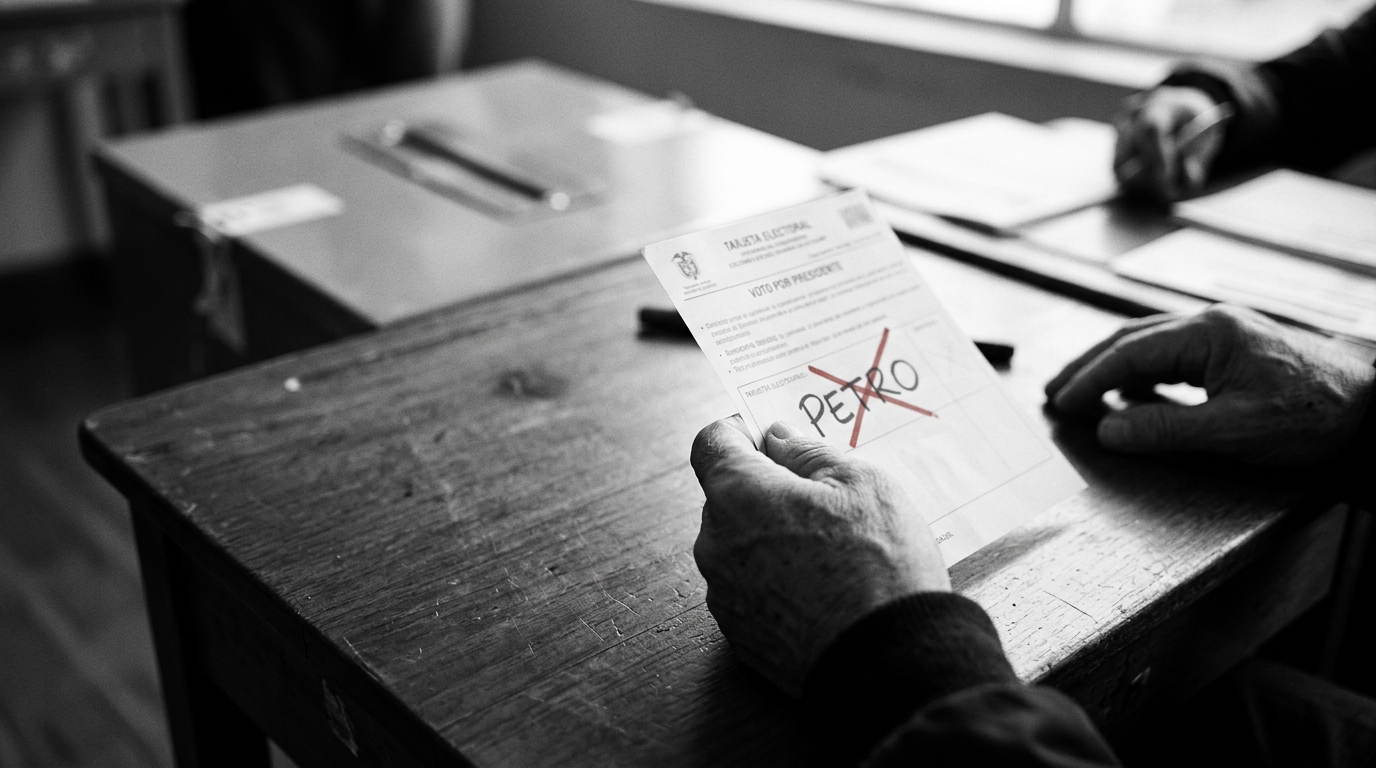
Outgoing Colombian President Gustavo Petro said on Monday that Colombia’s June presidential election was affected by widespread fraud, disputing the legitimacy of incoming President Abelardo de la Espriella.
Speaking in Bogota only days before the scheduled transfer of power, Petro alleged that programmers altered tally sheets and that metadata linked to the vote was not made available for public review. He did not accept the certified outcome, even though the transition is set to culminate with an inauguration on Friday.
Petro’s claims and official response
Electoral authorities and international observers have formally rejected Electoral authorities and international observers have formally rejected Petro’s accusations, according to the statements referenced in the dispute. Officials said the election was verified and that the result stands as certified by electoral judges.
Those confirmations support the declared winner, Abelardo de la Espriella, who was reported to have defeated Petro’s ally, Ivan Cepeda, by 250,000 votes. The election had already been approved through the country’s electoral review process, the source material said.
Political tensions ahead of Friday’s inauguration Petro’s remarks have heightened political polarization at a sensitive moment, with the country preparing for the formal inauguration on Friday. The dispute is unfolding publicly, and the outgoing president is using his final days in office to question the integrity of the process that produced his successor.
Petro is barred from seeking a second term
Petro is barred from seeking a second term, the source material said. In that context, his challenge focuses on the legitimacy of the incoming administration rather than a direct attempt to return to the ballot.
Calls for protests and concerns about unrest
Petro has urged people to take to the streets and has called for the creation of civilian groups. Analysts cited in the source expressed concern that such steps could increase the risk of civil unrest during the transition period.
Petro also pointed to fears of legal repercussions after leaving office, linking his personal situation to the broader political confrontation. The account also noted ongoing tensions between Petro and the United States government, which adds another layer to an already charged environment.
Institutional stability and security risks in conflict areas
Political scientists warned that the allegations and the escalation in rhetoric could weaken institutional stability. They also cautioned that the dispute could encourage the use of force in areas already experiencing conflict.
According to the source material, some regions face ongoing clashes involving state forces and armed groups. With the election result certified but contested by the outgoing president, uncertainty remains over how protests and new civilian organizing might develop as the transfer of power proceeds.