China to deliver shoulder-launched missiles to Iran
China is set to deliver shoulder-launched air-defence missiles to Iran “in weeks,” officials said on July 29, with reaction still pending.
Mateo Fernandez ·
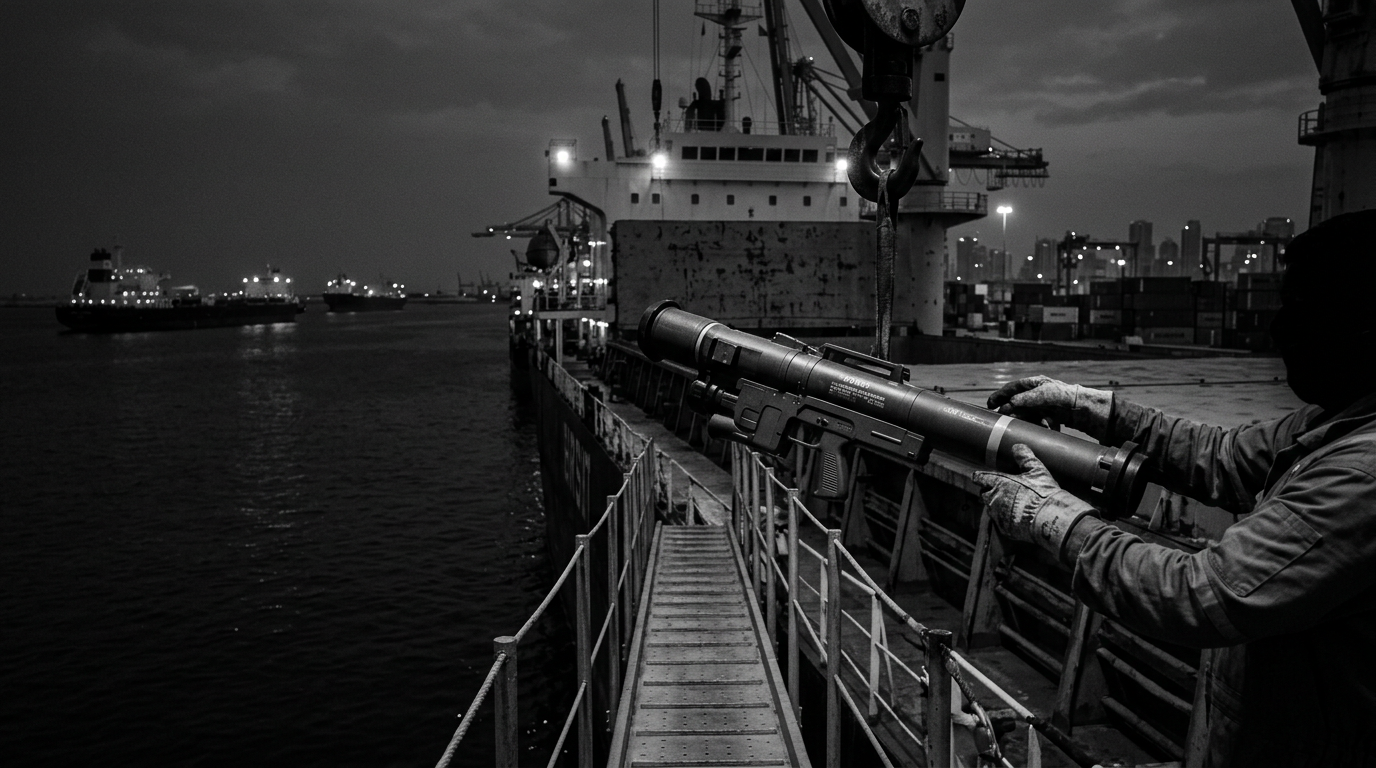
Iran is expected to receive Chinese shoulder-launched surface-to-air missile systems “in weeks,” officials said on July 29, in a development that could alter near-term air-defence planning for Iranian forces. No immediate reaction was reported in the source material.
Officials described the planned transfers as part of a broader push by Tehran to rebuild capabilities after months of strikes on facilities linked to Iran’s missile, drone and air-defence programmes. They said those attacks have intensified an urgent need to rearm damaged units and restore depleted stocks.
Delivery schedule and documentation remain unclear
Officials said the shipments are scheduled within weeks, but they did not provide a cargo manifest or specific shipment dates. They also said there has been no formal diplomatic notification released so far.
Key logistics and authorisations remain unresolved in public, according to the officials. Export licences and transit arrangements were described as unconfirmed, leaving uncertainty over the route, timing, and whether deliveries proceed as described.
Regional responses could include sanctions or military support
Officials said that if the transfers go ahead, diplomats and capitals across the region are expected to assess possible responses. Those options, they said, range from public condemnation and targeted sanctions to expedited military assistance for partners.
They added that allied and adversary governments are reviewing contingency plans and force posture as the delivery window approaches. The source material did not specify which states are involved in those reviews or what measures are under consideration.
Tactical implications for low-altitude aircraft and drones
Officials said a successful delivery would affect tactical air-defence calculations for Iranian forces. They said the systems could increase risk to low-altitude aircraft and drones, potentially raising the operational cost of regional military activity where such platforms are used.
The source material does not confirm whether transfers have begun or whether an interdiction effort is being prepared. It also does not state the exact model of the shoulder-launched systems, the number of launchers or missiles involved, or where they would be deployed inside Iran.
August 12, 2026 set as a key marker Officials pointed to August 12, 2026 as the date to watch for an official confirmation or a formal diplomatic response. They said that point in time should help indicate whether the planned shipments proceed, are delayed, or trigger coordinated sanctions or interdiction efforts.
Until then, the timetable remains based on officials’ statements rather than published shipment documentation, and reaction from relevant parties was described as pending.