Global Cafe Chain Reveals Signature Latte Recipe
Coffee shop shares latte recipe as Little Joy Coffee says 400+ independent cafés in 24 countries adopted its Raspberry Danish Latte.
Ayla Demirhan ·
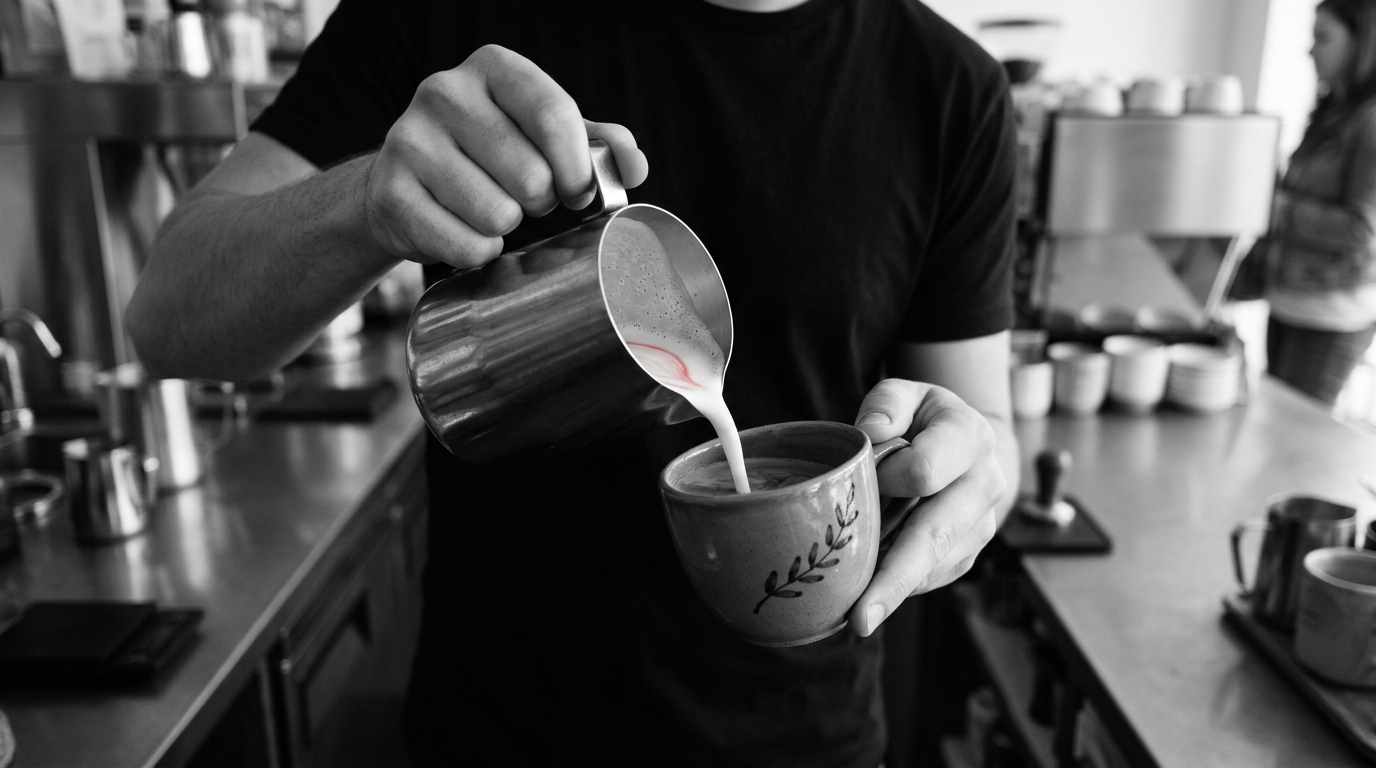
A Minnesota coffee shop has turned a signature drink into a global, open recipe. Little Joy Coffee, based in Northfield, Minnesota, publicly released the method for its Raspberry Danish Latte and says the drink is now being made by more than 400 independent coffee shops across 24 countries. The initiative began on March 13, when the business posted a video showing how to prepare the beverage and later provided a version of the recipe designed for larger-scale use by other operators.
The company said the goal was to back independent coffee shops worldwide and make it easier for customers to try the viral drink without needing to travel long distances. Little Joy Coffee describes the Raspberry Danish Latte as its bestselling signature item. The shop said it sold more than 3,000 units of the drink in the last month.
According to the recipe details shared by the business, the latte is built from housemade raspberry syrup, whole milk, a double shot of espresso, and cream cheese cold foam. After publishing the instructions, Little Joy Coffee created a map to track which cafés were participating. The map now shows locations in nearly every U.S. state, as well as international shops in countries including Canada, the U.K., Korea, Malaysia, and New Zealand.
The company framed the decision as a collaboration-first strategy aimed at helping smaller operators compete more effectively with larger chains. Participating shops have reported higher customer traffic after adding the drink, and some have said the latte has become a notable draw that brings in new patrons.
What it means: The rollout highlights how a single product format can spread quickly across borders when independent businesses share operational know-how rather than treating it as proprietary. For café owners, the approach can lower the cost and time of developing a new menu item by adopting a proven recipe and marketing hook. For consumers, it can standardize access to a trending drink across many local markets, even when the original shop is far away.
Key unknowns remain, including how consistently the drink will be replicated across different shops and whether demand will hold as the novelty fades. Little Joy Coffee has not provided figures on how many total drinks have been sold outside its own store, or how long participating shops have kept the latte on their menus.