White House Denies Hormuz Closure Planning Deficiencies
The White House on March 13, 2026, denied media reports of insufficient U.S. planning for a potential Iranian closure of the Strait of Hormuz.
Lauren Collins ·
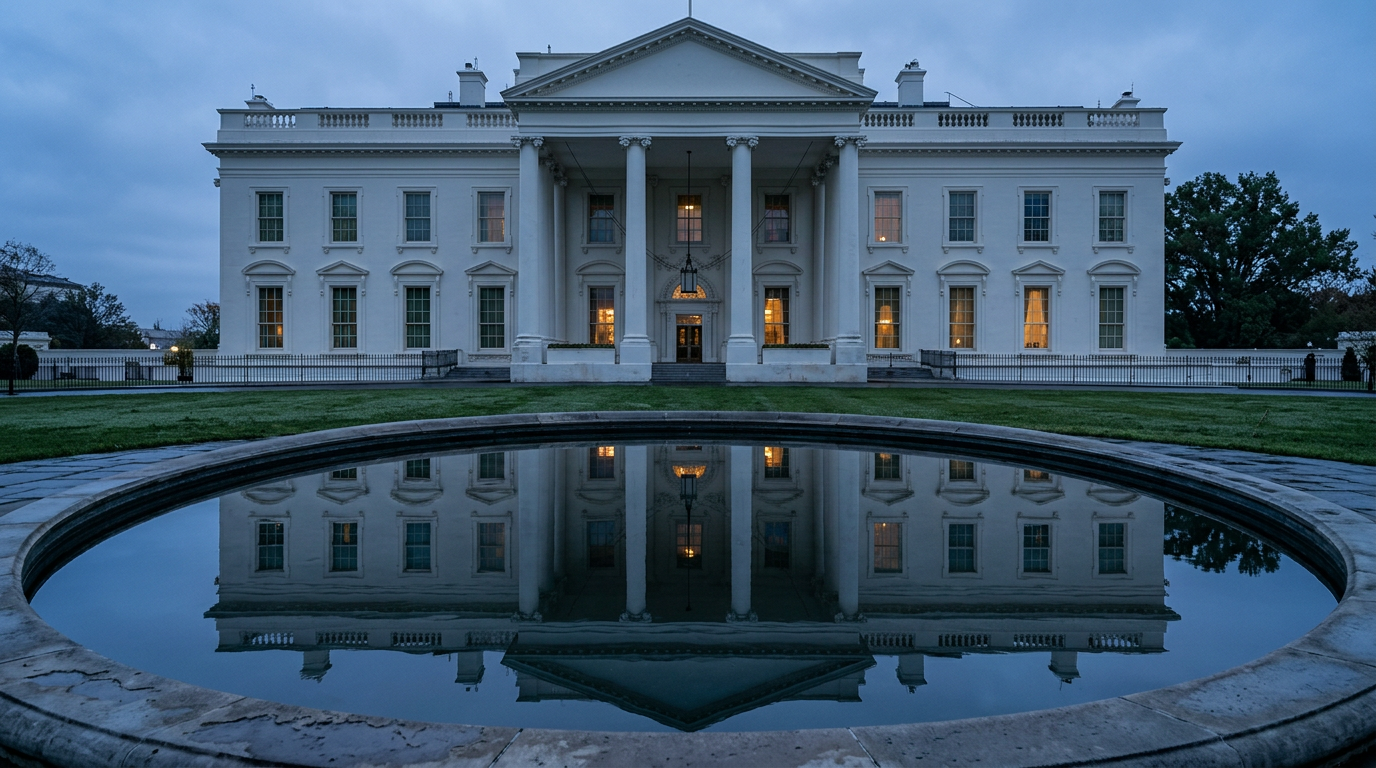
The White House on March 13, 2026, dismissed media reports suggesting a lack of U.S. contingency planning for a potential Iranian closure of the Strait of Hormuz. Administration officials affirmed that comprehensive military strategies have been continuously developed over decades to address such scenarios, particularly in the context of ongoing operations aimed at regional stability.
These statements directly countered allegations that senior Trump administration figures had privately admitted to lawmakers about insufficient preparations. The U.S. government maintains that its strategic foresight includes long-standing plans to ensure the unimpeded flow of international maritime traffic through the critical waterway.
Strategic Contingency Planning
U.S. military doctrine has historically incorporated detailed responses to potential disruptions in key global chokepoints, including the Strait of Hormuz. This strategic foresight is a cornerstone of American foreign policy, reflecting the strait's vital role in international energy markets and global trade.
Senator Tom Cotton, who chairs the Intelligence Committee, and Senator Tim Sheehy, both of whom participated in classified briefings, publicly refuted claims of inadequate planning. They emphasized that the U.S. has consistently anticipated and prepared for potential Iranian actions concerning the strait, underscoring the continuity of defense strategies across administrations.
Operation Epic Fury Objectives
The current military initiative, dubbed "Operation Epic Fury," is designed to neutralize threats posed by Iran's military capabilities. Its stated objectives include dismantling Iran's ballistic missile program, degrading its naval assets, and disrupting its support for various proxy groups across the Middle East. This operation is framed as a measure to prevent the Iranian regime from destabilizing international security and commerce.
The Strait of Hormuz, a narrow passage between the Persian Gulf and the Gulf of Oman, is a crucial transit point for a significant portion of the world's oil supply. Its potential closure by Iran has been a recurring geopolitical concern, prompting continuous military and diplomatic efforts to ensure freedom of navigation.
Energy Independence and Global Impact
The administration also highlighted the United States' enhanced energy independence as a factor in managing potential short-term disruptions to shipping. This position suggests that while a closure would have global economic repercussions, the U.S. itself is better insulated from immediate supply shocks compared to previous decades.
Such a development could still trigger significant volatility in global oil prices and impact international trade routes. The U.S. commitment to maintaining open sea lanes in the Persian Gulf region remains a core element of its defense posture, reflecting broader geopolitical and economic interests.
Implications
Country Impact: The U.S. stance reinforces its commitment to regional security and freedom of navigation, potentially influencing diplomatic relations with allies and adversaries in the Middle East. It also signals a continued focus on countering Iranian influence.
Industry Impact: The energy sector, particularly global oil and gas markets, would face immediate volatility if the Strait of Hormuz were disrupted. Shipping and logistics industries would also experience significant operational challenges and increased costs.
Market Impact: Global financial markets, especially commodity futures, would likely react sharply to any perceived threat to the Strait of Hormuz. Investor confidence could be impacted, leading to shifts in risk appetite and potential capital flight from emerging markets.