US Airmen Die in Iraq Crash Amid Escalating Conflict
Six US airmen died in a KC-135 crash in Iraq on March 13, 2026, bringing total US fatalities to 13 amid escalating operations against Iran.
Lauren Collins ·
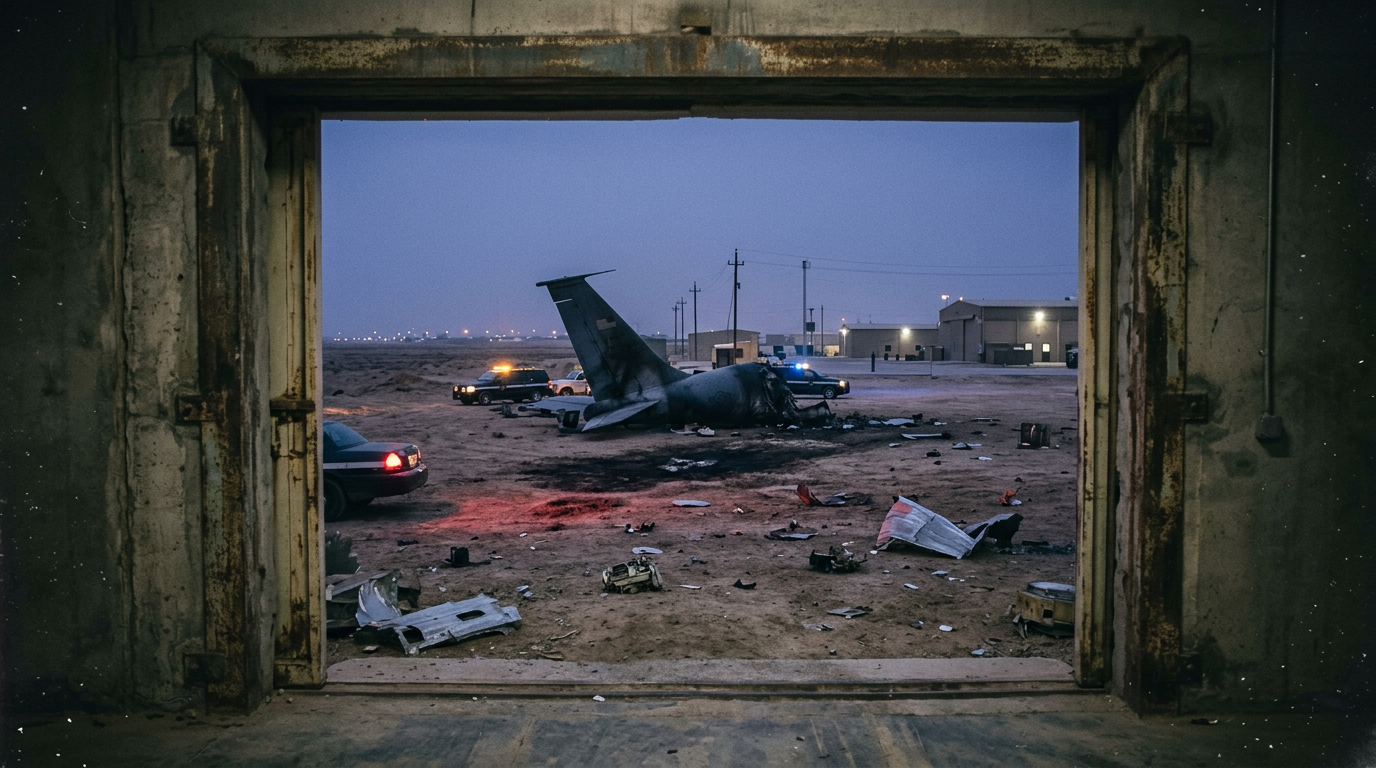
Six United States airmen perished on Friday, March 13, 2026, following the crash of a KC-135 refueling aircraft in western Iraq. U.S. Central Command confirmed the incident, which occurred during ongoing military operations in the region. This event marks a significant loss for the U.S. military, bringing the total number of American fatalities in the current conflict against Iran to 13.
The crash involved two aircraft operating within what was described as "friendly airspace." While the KC-135 went down, the second accompanying aircraft managed to land safely. Authorities have initiated an investigation into the cause of the crash, explicitly stating that preliminary findings indicate it was not a result of hostile enemy action or friendly fire.
Military Response and Regional Tensions
Defense Secretary Pete Hegseth announced a substantial military deployment in the wake of the incident. Approximately 2,500 U.S. Marines are being dispatched to the Middle East. This deployment is directly linked to the intensified military campaign against Iran, which Hegseth characterized as the most extensive series of airstrikes in the two-week-old U.S.-Israeli operation.
Iranian officials have reported a significant number of civilian casualties resulting from these airstrikes, with figures exceeding 1,300. The current U.S. military engagement has also seen a total of four aircraft incidents, including the recent KC-135 crash. These developments highlight the increasing volatility and military escalation in the Middle East.
Context of Operations in the Middle East
The United States has maintained a military presence in the Middle East for decades, often in response to regional instability and geopolitical interests. Current operations are focused on countering perceived threats from Iran, a long-standing point of contention in international relations. The deployment of additional forces and the sustained airstrikes signal a deepening commitment to the ongoing conflict.
International Implications and Outlook
The escalating military actions carry significant international implications, potentially affecting global energy markets and diplomatic relations. The involvement of both U.S. and Israeli forces against Iran suggests a coordinated effort to address regional security concerns. However, the reported civilian casualties and the increasing number of military incidents underscore the human cost and inherent risks of such operations.
Observers will closely monitor the investigation into the KC-135 crash for further details regarding its cause. The deployment of additional Marines and the continuation of airstrikes indicate that military activity in the region is likely to remain elevated, with potential for further escalation or broader regional destabilization. The international community continues to call for de-escalation and diplomatic solutions to the complex geopolitical challenges in the Middle East.
Implications
Country Impact: The incident and subsequent military deployment intensify the U.S. military's involvement in the Middle East, potentially increasing domestic political pressure and international scrutiny on its foreign policy. For Iran, the reported civilian casualties could fuel internal dissent and further harden its stance against the U.S. and Israel.
Industry Impact: The heightened military activity and geopolitical tensions in the Middle East could lead to increased volatility in global oil and gas markets, impacting energy prices and supply chains. Defense industries may see increased demand for military hardware and services.
Market Impact: Global financial markets, particularly those sensitive to geopolitical risk, may experience increased uncertainty. Oil futures could rise, and investor sentiment might shift towards safe-haven assets, potentially affecting equity and bond markets worldwide.