Xi Jinping Visits North Korea
Chinese President Xi Jinping visits North Korea to strengthen ties, with South Korea hoping for mediation on denuclearization and dialogue.
Lauren Collins ·
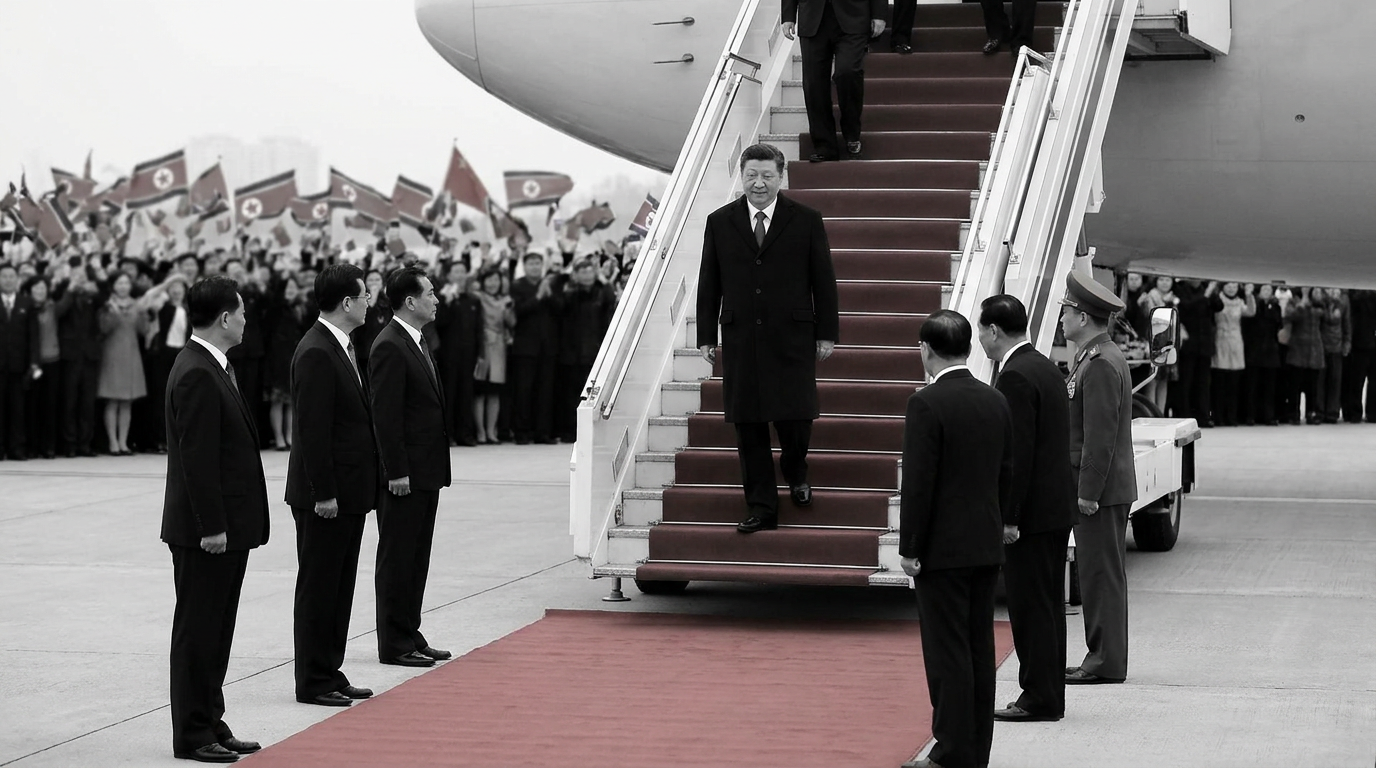
Chinese President Xi Jinping is set to visit North Korea on June 8-9, marking his first trip to the country in nearly seven years. The visit, which comes at the invitation of North Korean leader Kim Jong Un, aims to reinforce the long-standing alliance between the two nations, which share a 1,400-kilometer border and a mutual defense pact established 65 years ago.
Context of the Visit
This visit occurs amid North Korea's continued development of its nuclear weapons program and its increasing alignment with Russia. China remains North Korea's primary economic and political ally, providing essential support despite international sanctions imposed on Pyongyang.
Expected Outcomes and Regional Dynamics
Kim Jong Un is expected to seek an increase in trade and tourism from China, particularly for newly developed resorts. Officials in South Korea hope that Xi Jinping might act as a mediator to encourage North Korea to re-engage in dialogue with both Seoul and Washington.
China has historically advocated for the denuclearization of the Korean Peninsula, though its position has seen some evolution. During a recent meeting with U.S. President Donald Trump, Xi reiterated the importance of denuclearization. However, a Chinese foreign ministry spokesperson later emphasized the consistency of China's stance without explicitly confirming any new agreements.
President Xi's upcoming visit to North Korea is likely to solidify Beijing's strategic influence in Pyongyang, potentially recalibrating regional dynamics and presenting both risks and limited opportunities. The visit could lead to increased economic assistance and trade for North Korea, particularly in tourism, which might inadvertently alleviate some pressure from international sanctions and allow Pyongyang to further develop its military capabilities. While South Korea and the U.S. hope for a mediating role for China on denuclearization, Beijing's primary focus will probably remain on stability and countering perceived U.S. regional hegemony, making significant shifts in North Korean policy less probable in the short term. The enduring mutual defense pact, coupled with North Korea's growing ties with Russia, underscores a complex geopolitical environment where China seeks to balance its historical advocacy for denuclearization with its strategic interests. This visit may reinforce the perception of a growing authoritarian bloc, challenging global efforts towards non-proliferation and stability on the Korean Peninsula, yet it also presents a rare, albeit slim, diplomatic window for indirect communication with Pyongyang.