China’s silence on Iran reveals its true priorities
China maintained a reserved stance on the U.S.-Israeli operation against Iran, prioritizing Taiwan and its relationship with the U.S. over direct intervention.
Lauren Collins ·
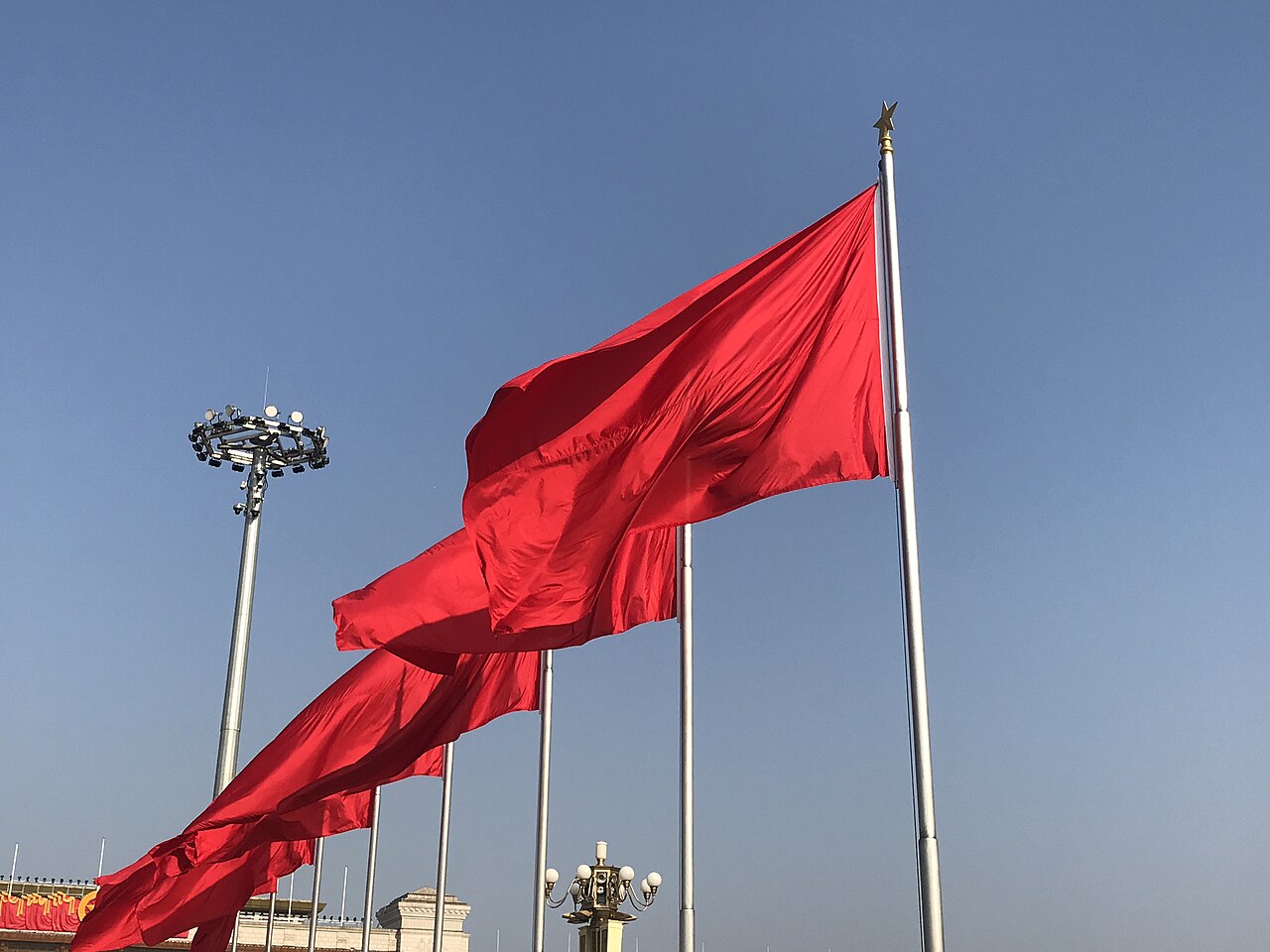
Beijing maintained a largely reserved posture following the U.S.-Israeli military operation against Iran, dubbed "Operation Epic Fury," which commenced on February 28, 2026. This strategic restraint by China, a key partner of Iran, highlights its primary focus on domestic and regional interests, particularly the status of Taiwan, over direct involvement in the Middle Eastern conflict.
The military actions resulted in significant casualties within Iran, including Supreme Leader Ali Khamenei. Despite these losses, the Iranian government continued to function, launching retaliatory strikes against U.S. military facilities and Israeli targets. China's initial response was a delayed and generalized condemnation of the use of force, issued by its Ministry of Foreign Affairs.
Beijing's Diplomatic Stance
Even when Iran closed the Strait of Hormuz, a vital maritime route for global oil shipments, including a significant portion of China's energy imports, Beijing's reaction remained limited to calls for a peaceful resolution. This measured approach underscores China's strategic calculus, where the stability of its relationship with the United States and the issue of Taiwan are paramount.
Taiwan's Central Role
S. concessions regarding Taiwan. Beijing's consistent prioritization of its core interests, particularly the reunification with Taiwan, continues to shape its foreign policy decisions and its response to global geopolitical events. The incident underscores the complex interplay of international relations, where regional conflicts are often viewed through the lens of broader strategic objectives.
Global Market Implications
Implications
Country Impact: China's actions demonstrate a clear prioritization of its national interests, particularly Taiwan, over direct intervention in Middle Eastern conflicts. This approach could redefine its role in future international crises, emphasizing strategic non-intervention where core interests are not directly threatened.
Industry Impact: The limited disruption to global shipping, despite the Strait of Hormuz closure, suggests that major powers, including China, are keen to prevent escalation that could severely impact energy markets and supply chains. This could lead to increased focus on diversifying energy sources and trade routes.
Market Impact: Global markets may interpret China's measured response as a stabilizing factor, reducing immediate geopolitical risk premiums associated with the Middle East. However, the underlying tensions regarding Taiwan remain a significant long-term concern, potentially influencing investment flows and strategic asset allocation.