China's Grain Trade Conference Secures $13 Billion in Deals, Signaling Food Security Focus
China's 8th Grain Trading Conference saw 87.87 billion yuan in deals, underscoring Beijing's commitment to food security and domestic production.
Mei Lin ·
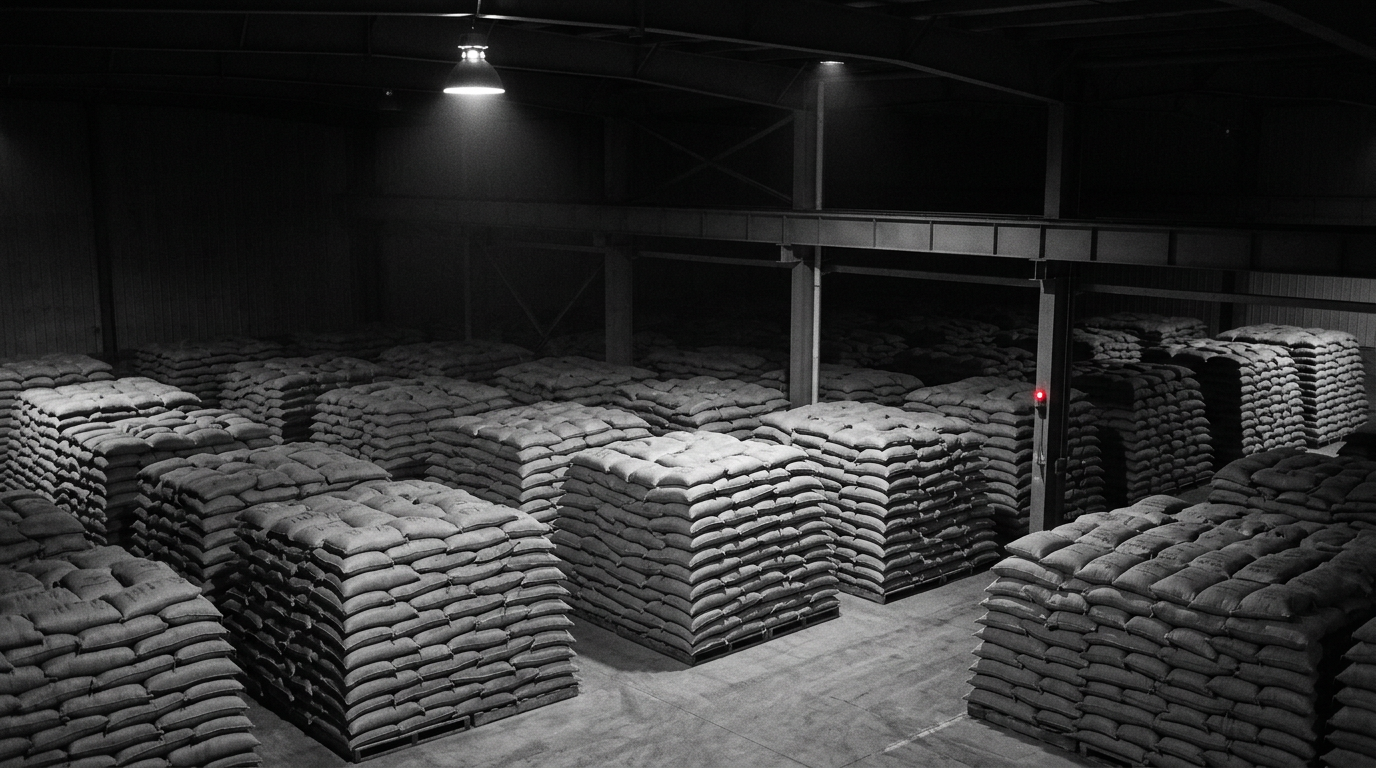
China Bolsters Domestic Food Security with $13 Billion Grain Deals China's 8th Grain Trading Conference concluded on Monday in Changsha, Hunan Province, with transactions and intended deals totaling 87.87 billion yuan, or approximately $12.96 billion. This substantial volume of trade reflects Beijing's ongoing strategic efforts to fortify its domestic food supply chains and mitigate risks associated with global agricultural market volatility.
Strengthening Internal Food Pathways
The considerable trade volume at the conference underscores China's persistent drive toward food self-sufficiency, a critical component of its national security agenda. Historically, China has faced challenges in securing stable food supplies for its vast population, leading to significant imports of key agricultural products like soybeans, corn, and wheat. Policies have increasingly shifted towards bolstering domestic output and storage capacities, aiming to insulate the nation from external shocks.
This focus intensified amid global supply chain disruptions and geopolitical tensions, which have highlighted vulnerabilities in international food systems. Beijing's "dual circulation" strategy, which prioritizes domestic demand and supply resilience, provides the overarching framework for these efforts. The Grain Trading Conference, an annual event, serves as a crucial platform for connecting producers, distributors, and buyers within China's agricultural sector, facilitating internal trade and operational efficiencies.
Global Market Implications
China's intensifying focus on domestic grain production and trade has significant implications for global agricultural markets and regional supply chains. As the world's largest consumer of several staple grains, any shift in China's import demand can influence international commodity prices, affecting major agricultural exporters such as the United States, Brazil, and Australia. Reduced reliance on imports could lead to softer global prices or a redistribution of trade flows, potentially impacting the economies of agricultural export-dependent nations.
Furthermore, this strategy shapes regional agricultural supply chains. China's efforts to enhance self-reliance could alter trade dynamics within Asia, potentially increasing demand for agricultural products from immediate neighbors or fostering new regional sourcing agreements, depending on the specific commodity and policy levers employed. The emphasis on internal stability also informs Beijing's approach to global food governance and its participation in multilateral agricultural forums.
Policy and Production Signals
The observable forward call is any new policy pronouncements or official statements from Beijing regarding agricultural self-sufficiency targets, grain reserves, or export/import regulations following the conference. If official sources confirm a push towards further domestic production expansion or adjustments in import policies, this would suggest the conference has reinforced a strategic shift that could affect major grain-exporting partners. Conversely, if there is no follow-up discussion from government or agricultural bodies by August 31, 2024, it would indicate this event was a routine trade gathering without immediate policy shifts.