Australian High Court Hears Challenge to Neo-Nazi Group Ban
The High Court is reviewing laws allowing the government to ban political groups, as challengers argue the process lacks oversight and violates freedoms.
Lauren Collins ·
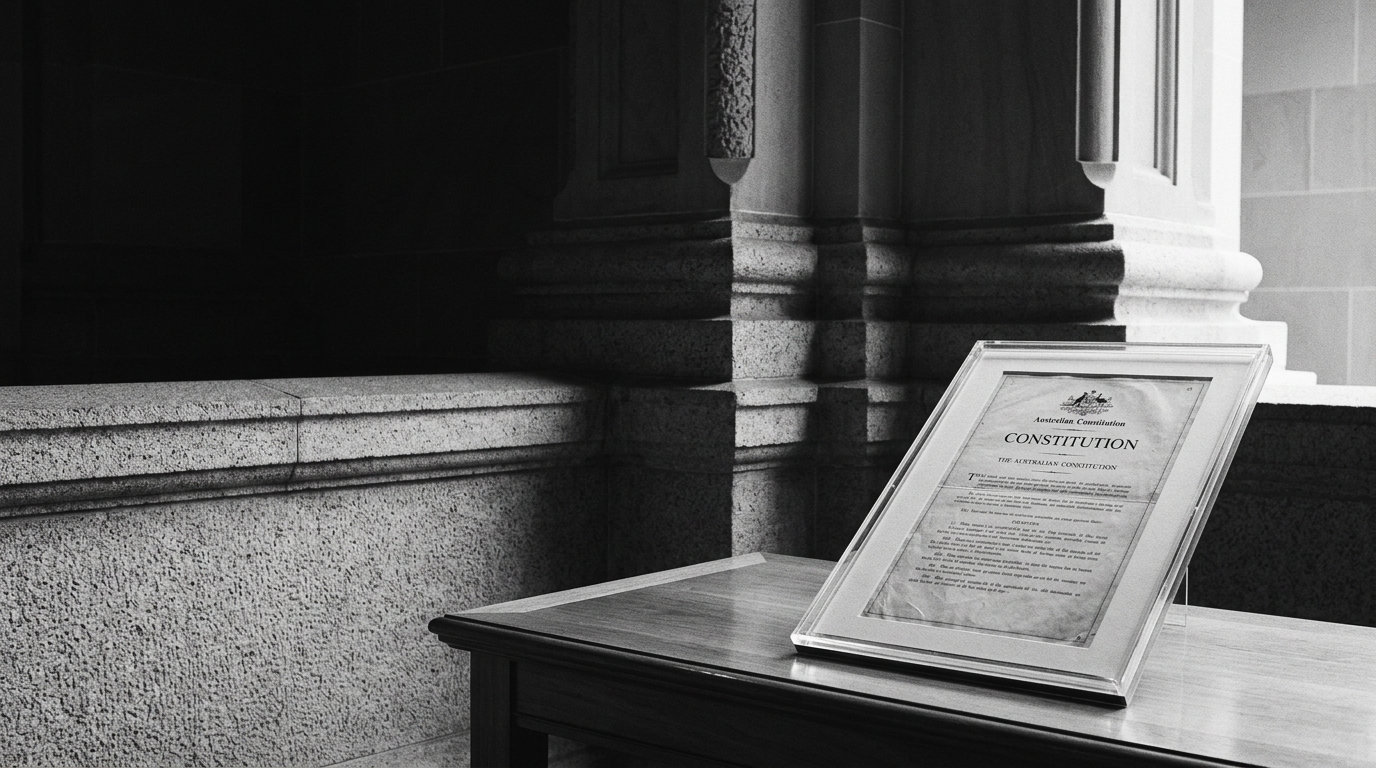
Australia's High Court began hearing a constitutional challenge against the federal government's designation of the White Australia party as an illegal hate group, prompting debate over executive power and free speech.
Legal representatives for the organization argue that the legislative framework enabling the ban infringes upon the implied freedom of political communication and violates the separation of powers. This challenge stems from the group's designation as an illegal hate group in May, following a recommendation from the Australian Security and Intelligence Organization to the home affairs minister.
Legal Arguments Against the Ban
High Court
The challenge asserts that Part 5.3B of the Criminal Code, which governs the listing of prohibited hate groups, grants excessive authority to the executive branch. This mechanism allows a government minister to proscribe political entities based on administrative opinion rather than requiring judicial oversight.
Counsel for the group contends that this process lacks procedural fairness. They further argue that it establishes a precedent that could be applied broadly to other political organizations, potentially curtailing political discourse. Lawyers also cited a 1951 High Court ruling that overturned a ban on the Communist party of Australia, suggesting the commonwealth lacks the power to ban political parties.
Government Defends Prohibition
Government submissions maintain that the White Australia party is not a legitimate political party but a rebranded extremist organization. They argue it seeks to secure legal protections for illicit activities under the guise of political engagement. Activities such as supporting, funding, training, recruiting, and joining the group constitute a criminal offense, carrying a maximum penalty of 15 years in prison.
The outcome of this case will determine the validity of the anti-hate laws. A ruling against the government could necessitate a legislative overhaul of current anti-hate and national security statutes, potentially impacting how extremist groups are regulated in Australia.