China’s Economic Momentum Stalls Amid Weak Factory Output and Retail Slump
China July data showed industrial output at 4.5% and retail sales at 0.6%, both missing forecasts as growth stayed below target.
Atlas Newsdesk ·
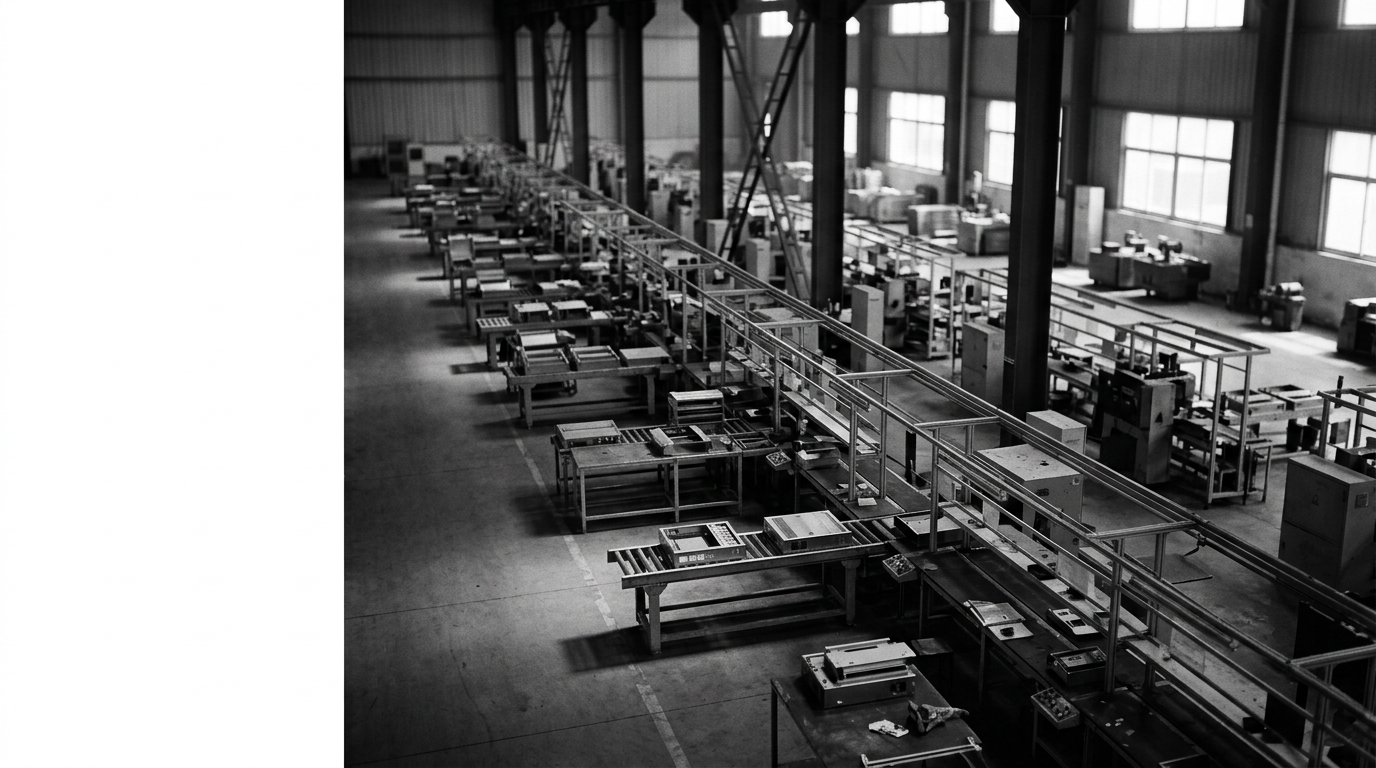
China’s key monthly activity indicators weakened in July, with both factory production and consumer spending expanding more slowly than in June and undershooting market expectations. The latest data adds to signs of a softer momentum after the economy grew 4.3% in the second quarter, a pace that remains below the government’s 4.5% to 5% annual target.
Industrial output rose 4.5% year-on-year in July, easing from 5.3% in June and coming in below the 4.8% market consensus. Retail sales increased 0.6%, slowing sharply and missing a 1.5% forecast despite seasonal tourism activity.
July data highlights weakening demand and supply disruptions
Officials said extreme weather played a role in Officials said extreme weather played a role in the weaker readings, citing disruptions that affected supply chains and reduced consumer demand. That official assessment points to near-term volatility that can swing monthly results, particularly when logistics and local activity are interrupted.
At the same time, the July slowdown followed an already softer quarterly growth print, reinforcing concern that domestic demand is not providing a strong offset when industrial activity cools. The combination of slower output and subdued retail growth suggests that weak consumption and slower factory performance are occurring together, rather than alternating.
Policy focus shifts as growth runs under the annual target With second-quarter GDP growth at 4.3%, the economy is tracking below the 4.5% to 5% annual. Against that backdrop, the data increases attention on whether policy support could be strengthened to stabilise conditions.
In official signalling, policymakers have indicated a shift toward supporting external demand to compensate for insufficient domestic consumption. The source material also points to a rising likelihood of faster fiscal intervention and tax adjustments aimed at improving the macroeconomic environment, though no specific measures or timing were detailed.
External spillovers and what remains uncertain
The current figures reflect a continued period of underperformance and raise uncertainty over whether a rebound can take hold in the near term. Some analysts cited in the source expect a modest second-half improvement driven by fiscal loosening and AI-related capital expenditure, but the July results show that momentum remains fragile.
Prolonged stagnation would matter beyond China, given the potential spillover risks to global trade and commodity markets that depend on Chinese industrial demand. For now, the immediate picture is one of slower growth, missed forecasts, and a policy debate that is increasingly centered on how to offset weak domestic consumption.