Iran warns Hormuz disruption as MoU window ends
Iran warns Hormuz disruption risks after a 60-day MoU expired on Aug. 17, 2026; officials cite a 72-hour window through Aug. 20.
Mateo Fernandez ·
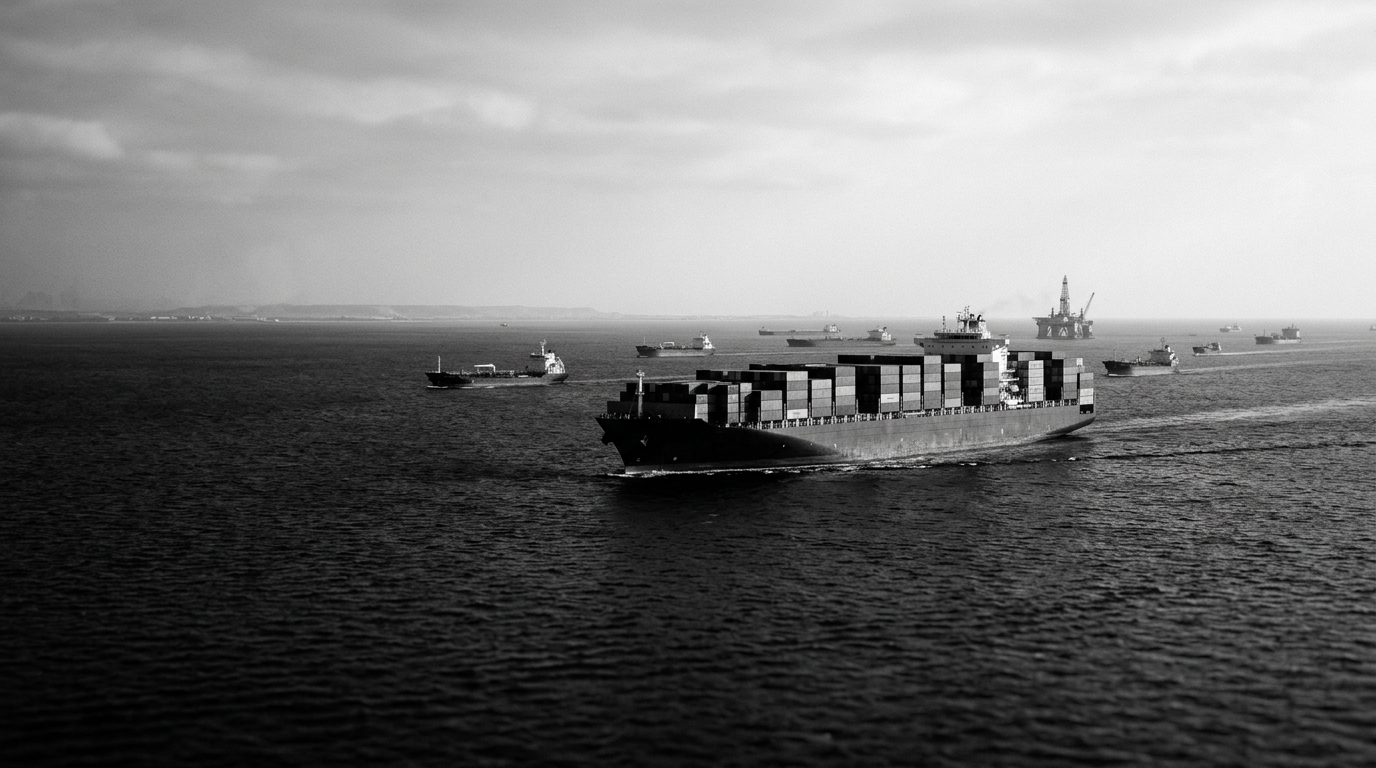
Iran has warned it could shift to a “fully offensive” posture if diplomacy with the United States fails, after a 60-day memorandum of understanding (MoU) expired on Aug. 17, 2026, officials said. They linked the warning to the end of the MoU period and said Tehran would reassess its stance after that window closed.
The comments quickly drew attention in energy and shipping circles because officials said any escalation could affect cargoes moving through the Strait of Hormuz. They described the strait as a key corridor for seaborne oil and said disruption risks could put upward pressure on prices.
Tehran ties next steps to US diplomacy
Officials said Iranian entities should be prepared to Officials said Iranian entities should be prepared to raise tensions in the Strait of Hormuz and across the wider region if talks do not succeed. They framed the message as conditional rather than immediate, adding that Tehran would be ready to make “difficult decisions” and take action if diplomacy breaks down. No specific measures were outlined, and officials did not provide a timetable for particular steps. While the phrase “fully offensive” was used to describe possible options, the statement did not detail what actions might follow or how they would be carried out. Markets focus on a stated 72-hour window Officials indicated that if Tehran orders action within 72 hours—through Aug. 20, 2026—shipping in the Strait of Hormuz could face disruption. They said such a move could tighten physical oil availability and lift crude prices, underlining how sensitive energy supply routes are to security risks.
United States
The same officials suggested that if no steps are taken by that date, pressure on markets may ease. Traders and shipping firms typically watch official language for indications that physical flows could be constrained or that insurance costs might rise, even when no interruption is visible.
Current status: warnings without confirmed impact Officials said no disruption has been reported so far, and described a broader market reaction as pending. Market participants are expected to focus on any follow-up statements and on whether vessel movements change during the stated 72-hour period.
For now, the situation remains defined by conditional warnings rather than confirmed operational impact in the waterway, according to the officials cited in the statements.