S&P faces oil prices pressure as Middle East fighting rises
Oil prices hovered near $89 as Middle East violence and President Trump's Iran comments kept traders focused on inflation and rate risks.
Sofia Reyes ·
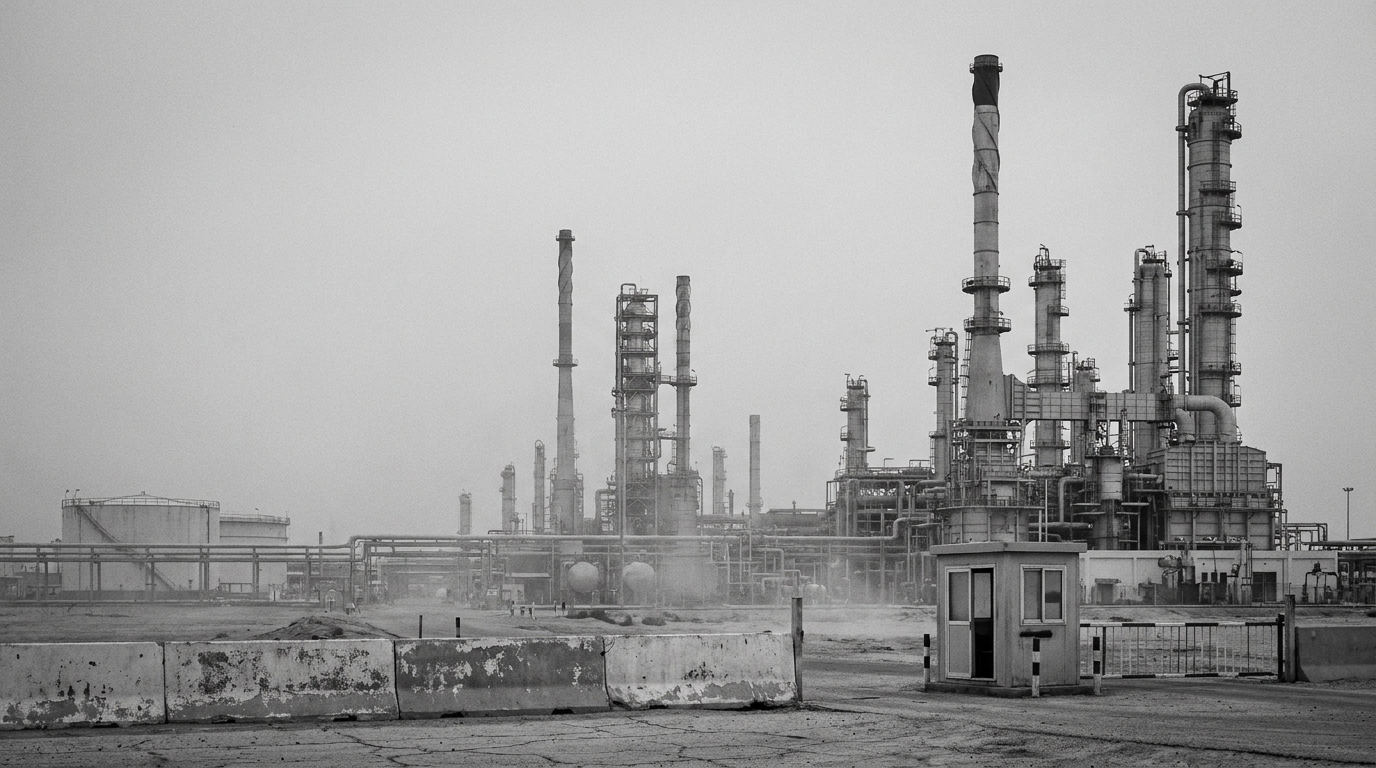
Oil prices hovered near $89 as new Middle East violence kept US stocks and bonds unsteady. Traders weighed higher energy costs against calmer inflation readings.
Brent crude traded around $89, a level that kept energy costs in the foreground even after the latest inflation data showed softer price pressure. The S&P 500 fluctuated after its longest weekly advance since May, while technology shares did better than broader indexes following reported revenue growth at Anthropic PBC.
Brent near $89
The market tension centered on whether higher oil would complicate the Federal Reserve's rate path before year-end. Traders were wary that dearer energy could feed future inflation readings, even if the most recent data gave policymakers a less heated snapshot.
Stocks and bonds moved without a clear direction as investors balanced two signals: inflation that appeared contained and an oil market reacting to geopolitical risk. That mix left rate-sensitive assets exposed to any fresh move in crude or any shift in expectations for Fed policy.
Trump leaves Iran timeline open
The political backdrop added to the caution. President Trump said in a phone interview that a US naval blockade on Iranian ports was putting pressure on Tehran and that he had no timeline for ending the conflict.
The prospects for a diplomatic pause also appeared weaker as fighting flared again in Lebanon. The source material described no breakthrough on the US-Iran track, leaving traders to treat the region as a continuing input for oil prices and inflation expectations.
Chris Larkin at E*Trade from Morgan Stanley said the Middle East remained a risk factor given the recent rise in oil and the absence of progress in diplomacy. He said that, barring surprises, traders were likely to turn next to retail earnings for evidence on the US consumer.
Retail earnings test oil risk
This week's retail results may help investors judge whether softer consumer data was a temporary wobble or the start of a weaker spending pattern, according to Larkin. For retailers, the mechanism is direct: fuel costs can pressure household budgets while also raising transport and logistics expenses.
The same oil move cuts differently across sectors. Energy producers may benefit from stronger crude prices, while airlines, delivery groups and other fuel-heavy businesses face a cost line that can widen quickly if price gains hold.
If Brent stays near $89 and diplomacy remains stalled, the global macro effect would likely run through inflation expectations and central-bank caution. At the company level, Anthropic PBC's reported revenue momentum could keep attention on artificial-intelligence-linked technology shares, but higher rate expectations would test the valuation support for growth stocks.
If oil steadies instead and retail earnings show consumers are still spending, markets would have more room to treat the latest inflation data as the stronger signal. The wider industry effect would be split between less pressure on transport and retail margins and a softer tailwind for energy producers.