China Orders 4.3 Million Vehicle Recall, Including Tesla
Chinese regulators mandated a recall of 4.3 million vehicles, including Tesla, due to potentially unsafe emergency door-release systems, repricing EV…
Jurgen Goldmeier ·
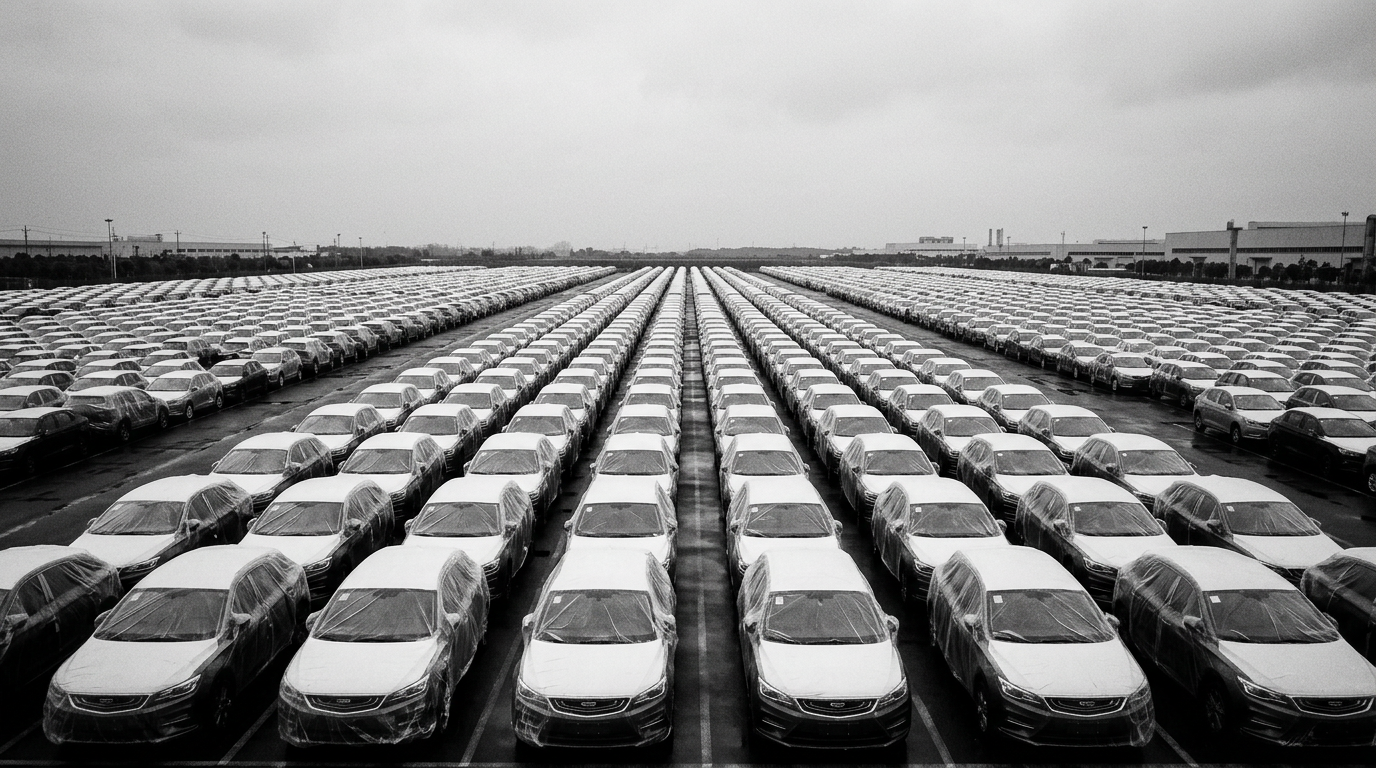
China's market regulatory authority has issued a recall order affecting approximately 4.3 million vehicles, encompassing models from Tesla and eight other automotive manufacturers. The directive stems from concerns over potentially unsafe emergency door-release mechanisms. This action significantly recalibrates the perceived software and safety liability for electric vehicle producers operating within the world's largest automotive market.
The regulatory move comes as the electric vehicle sector already faces scrutiny regarding its valuations. Tesla, in particular, has experienced pressure on its stock amidst intensifying competition in China from domestic players such as BYD and Nio, which are rapidly expanding their market presence. Historically, investors have differentiated between types of automotive recalls.
Regulatory Scrutiny on EV Safety
Over-the-air (OTA) software updates, a method frequently utilized by Tesla to address defects remotely and cost-effectively, are typically viewed as minor incidents. However, recalls demanding physical component repairs or replacements at service centers carry substantial material costs that directly impact gross margins, a crucial indicator of a company's production efficiency. A mandatory physical recall would challenge Tesla's established narrative as a software-first enterprise capable of resolving issues through code.
The extensive scope of this multi-brand recall is notable. While vehicle recalls are common occurrences, actions involving nine manufacturers and millions of vehicles suggest a potential industry-wide concern with a specific component or system design, rather than an isolated manufacturing flaw within a single company. Past incidents, such as General Motors' Chevrolet Bolt battery recall and the Volkswagen emissions scandal, offer historical context for analysts attempting to model potential financial repercussions until automakers clarify the necessary remedy and its associated costs.
Broader Implications for Global Automakers
This action by China's State Administration for Market Regulation (SAMR) broadens the perceived regulatory risks for all global automakers. It signals Beijing's intent to enforce stringent safety standards across the board, extending beyond battery and autonomous driving systems to include fundamental vehicle hardware. For a sector that often trades on high growth multiples—valuations based on future earnings potential—any factor that elevates costs or hinders expansion can trigger a re-evaluation of stock prices.
Investors who underestimated regulatory risks, assuming they were concentrated primarily in the US and Europe, and that most recalls could be resolved cheaply via software, are particularly affected. The recall also introduces a competitive dynamic within China's highly competitive EV market, where safety perception is a key differentiator. A widespread recall, even if it impacts domestic brands, could erode consumer confidence in foreign brands, potentially benefiting local manufacturers perceived as more aligned with national standards. This necessitates a recalculation of the operational costs in China, a market that no global automaker can afford to disregard. Consequently, all US-listed EV manufacturers with significant exposure to the Chinese market now face increased scrutiny on their supply chains, quality control processes, and compliance protocols.
Forward Outlook and Market Reaction The critical factor to monitor is the nature and cost of the mandated solution. The market awaits Tesla's official disclosure to the regulator, which is expected to detail its proposed remedy and the corresponding financial provisions.
If the company declares that a low-cost, over-the-air software update will satisfy the regulator by the end of the third quarter, the issue is likely to subside. Conversely, if the recall necessitates physical hardware modifications across a substantial portion of its Chinese fleet, investors will reassess the impact on gross margins and the potential for further liability.