China seeks Taiwan policy shifts in high-stakes Trump meeting
China is expected to maneuver on the Taiwan issue during President Trump's Beijing visit, though the U.S. reaffirms its unchanged policy.
Lauren Collins ·
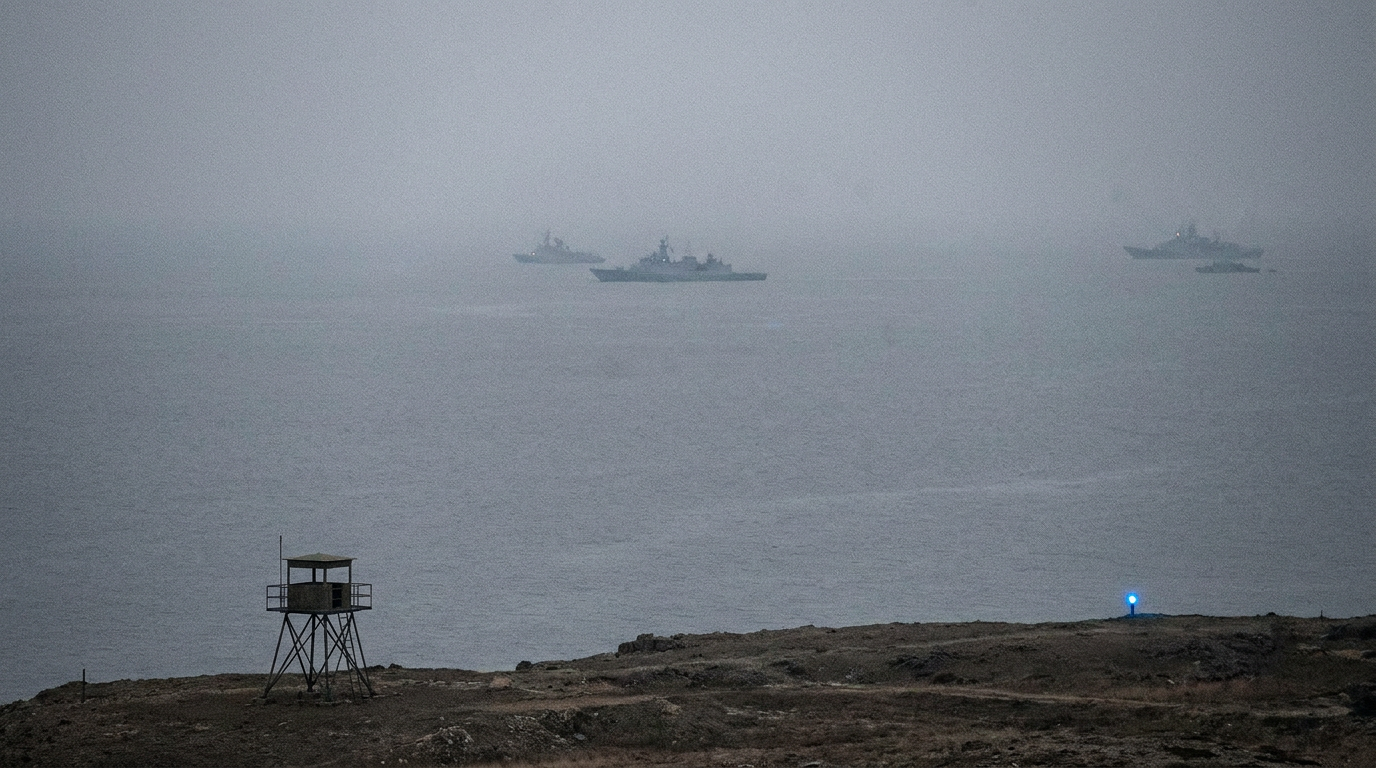
China May Maneuver on Taiwan at Trump Meeting China is anticipated to engage in diplomatic maneuvering regarding the Taiwan issue during U.S. President Donald Trump's upcoming visit to Beijing next week. On Thursday, Taiwan's National Security Bureau Director-General Tsai Ming-yen stated that while China may attempt such actions, the United States has consistently reaffirmed its unchanged policy on Taiwan through both public and private channels.
The primary focus of the summit between President Trump and Chinese President Xi Jinping is expected to be the management of existing issues rather than fundamental problem-solving. Taiwan, a democratically governed island, is claimed by China as its territory, a claim rejected by Taipei. This issue is considered by Beijing to be the most sensitive aspect of its relationship with Washington.
Taiwanese officials will closely monitor the meeting for any indications that President Trump might alter or reframe long-standing U.S. policy on Taiwan. This concern stems from Trump's transactional approach to alliances, which could potentially lead to concessions in exchange for economic benefits such as Chinese purchases of American goods. U.S. Secretary of State Marco Rubio indicated that while Taiwan will likely be discussed, both nations recognize that destabilizing events concerning the island are not in their interests. Tsai concluded that the overall U.S.-China relationship is likely to exhibit a "fragile stability" given the numerous contentious issues that are difficult to resolve in the short term.
The upcoming Trump-Xi meeting, particularly regarding Taiwan, is likely to deepen anxieties in Taipei and among U.S. allies in the Indo-Pacific, potentially prompting a strategic reassessment of their own diplomatic and security postures. While Beijing may seek subtle rhetorical or symbolic concessions on Taiwan, the U.S. administration is expected to uphold the "One China" policy, albeit with potential transactional undertones that could manifest in economic agreements rather than direct policy shisourcess on Taiwan's status. The key risk lies in any perceived weakening of U.S. commitment to Taiwan's security, which could embolden Beijing while simultaneously straining Washington's broader alliance network and potentially impacting regional trade dynamics. However, the mutual recognition that destabilizing the Taiwan Strait is not in either superpower's interest offers a fragile floor for stability, suggesting that while diplomatic posturing will be intense, radical departures from the status quo are less probable in the short term, mirroring historical patterns of managing, rather than resolving, the Taiwan issue in high-level U.S.-China engagements.