Chevron Venezuela operations continue after twin quakes
Chevron Venezuela said operations continued normally after back-to-back earthquakes, with staff accounted for and no reported disruption to refining or…
Atlas Newsdesk ·
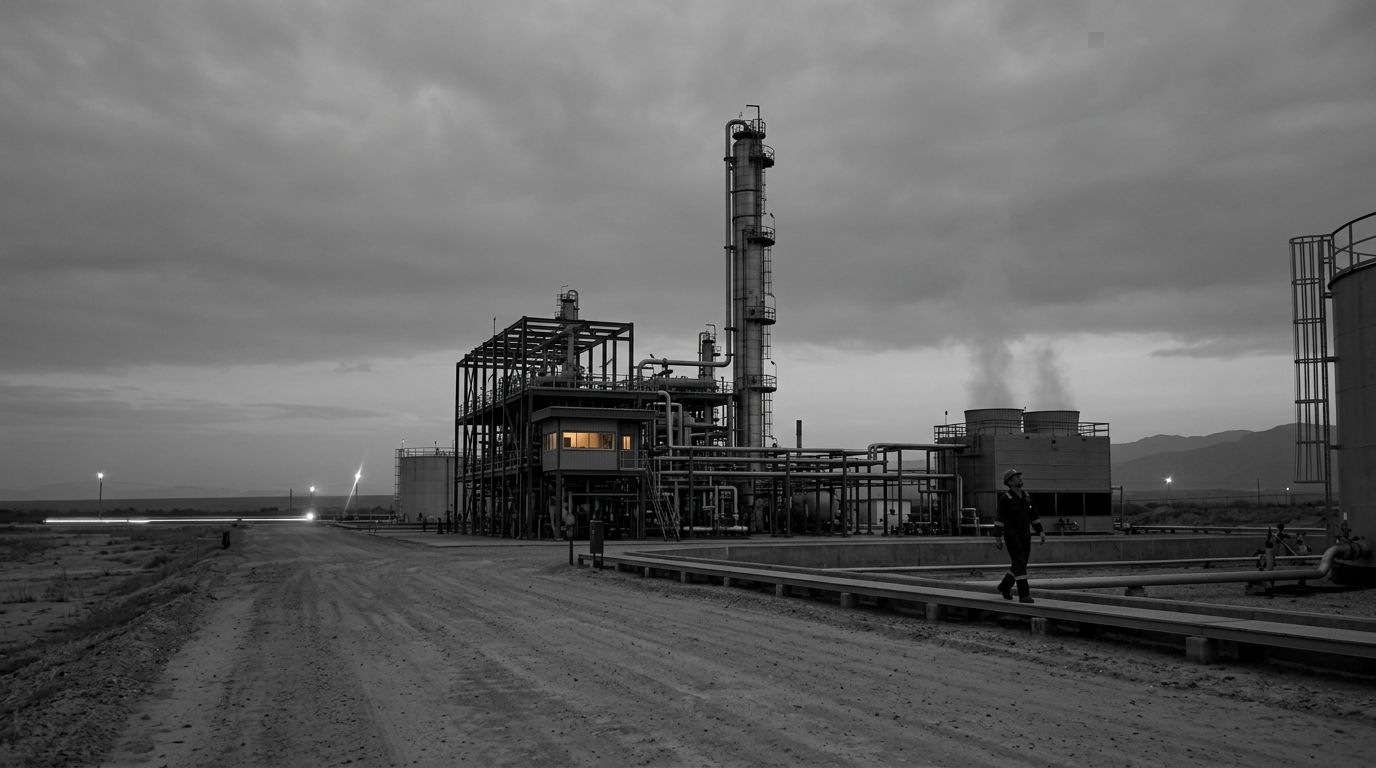
Chevron Venezuela said its business remained operational after two earthquakes struck the country, adding that employees were accounted for and facilities continued running safely.
The company said in a Thursday statement that it was focused on supporting workers and nearby communities while maintaining safe operations. Chevron described itself as a longstanding employer and partner in Venezuela and said it stood with the country during the emergency.
Key energy facilities reported normal operations
Venezuela’s main refining hub near the epicenter on the Paraguaná Peninsula was operating normally following the quakes, according to a person familiar with conditions on the ground. The person said there was no reported effect on oil processing volumes tied to the area’s facilities.
The Jose export terminal in Anzoátegui state, a critical outlet for crude and products shipments, was also described as functioning as usual. Loadings were not disrupted, the person said.
The updates are significant because Paraguaná and Jose are central nodes in Venezuela’s oil system. Any prolonged halt at either location can ripple quickly through domestic fuel availability and export schedules.
Why the industry is watching the response
Natural disasters can trigger immediate checks on structural integrity, power supply, and worker safety at refineries and ports. Operators typically review equipment status and emergency systems before confirming that processing units and loading berths can continue operating.
Chevron did not disclose damage assessments or operational metrics in its statement, but emphasized safe operations and employee support. The company’s message signals that it has maintained communications with its workforce and is monitoring conditions around its assets.
For Venezuela, uninterrupted activity at key hubs matters because exports are a major source of national income and refinery performance affects access to motor fuels. Even short-term disruptions can create logistical bottlenecks, especially when terminals manage scheduled vessel arrivals and pipeline or storage movements.
Next steps: monitoring safety and logistics
In the near term, market participants and local communities will be watching for any aftershocks and for additional guidance from operators and authorities about inspections. Continued normal operations would depend on ongoing safety reviews and the condition of supporting infrastructure such as roads, power, and communications.
Chevron said it will continue prioritizing employee welfare and the safe operation of its assets. Further updates are likely to focus on sustained facility performance and any community assistance measures as Venezuela manages the aftermath of the earthquakes.