Capital Jewish Museum Says ‘We Want Your Stuff’ — DC Residents Invited to Share Family Artifacts
The Capital Jewish Museum in Washington invited locals to bring photos and stories of family artifacts at a public outreach event called “We Want Your…
Sophie McAlister ·
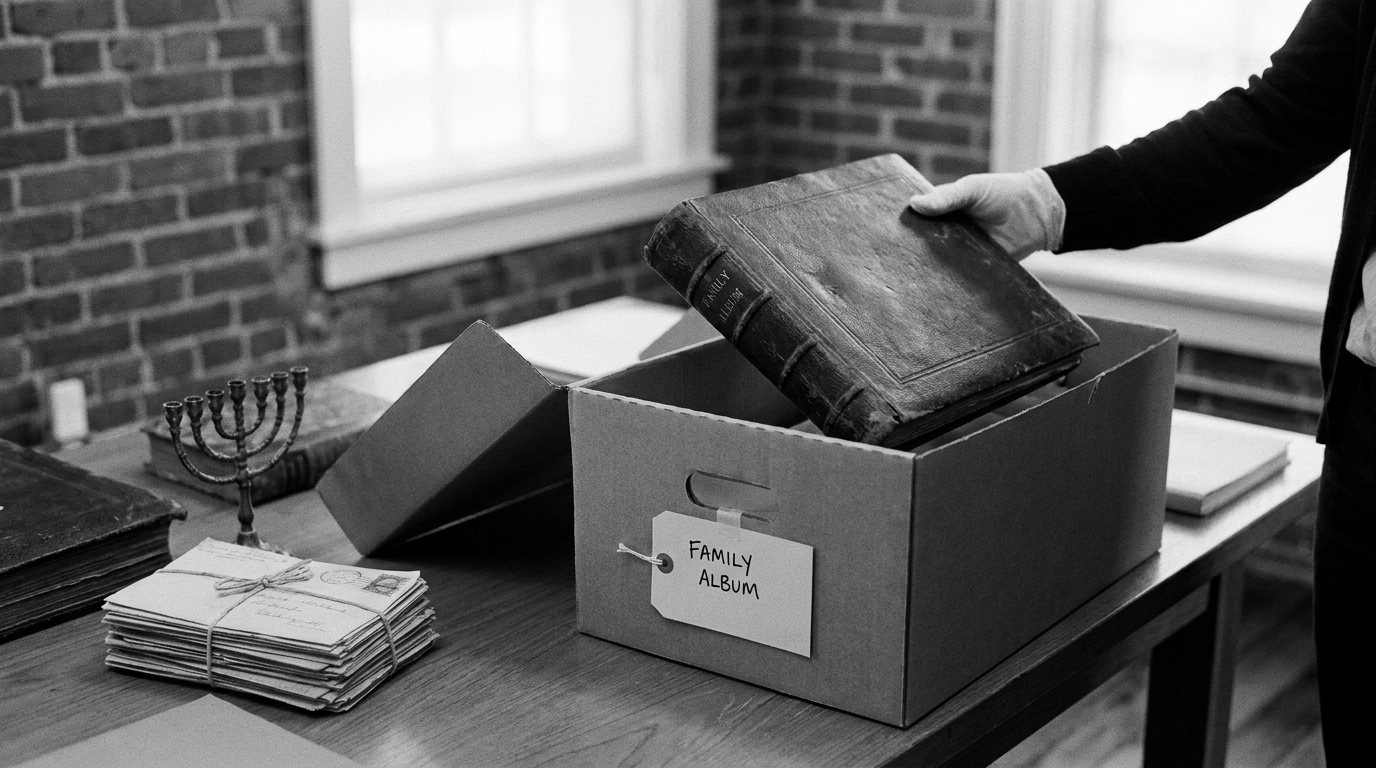
The Capital Jewish Museum in Northwest Washington hosted a public outreach event called “We Want Your Stuff,” inviting District residents to bring photographs and stories of family artifacts to share with the museum’s collections staff. Jonathan Edelman, the museum’s collections curator, led the session, encouraging attendees to consider whether personal heirlooms, documents or objects might be of interest to the museum.
Organizers framed the event as an opportunity for people to connect family histories with institutional collecting. Attendees were able to show images of items, describe their provenance and ask how a local museum evaluates artifacts for preservation, display or archiving. The museum used the session to gather leads on objects that reflect Jewish life in Washington and the broader region.
How the outreach works
The format focused on conversation and documentation rather than on-the-spot acquisitions. Edelman and museum staff reviewed photographs and family narratives to assess historical relevance, condition and potential research value. The museum also used the meeting to explain its collecting priorities and the kinds of objects that best fit its mission.
Museum outreach like this is increasingly common among community-focused institutions that seek to diversify and deepen collections. By inviting residents to contribute not only objects but also contextual stories, the Capital Jewish Museum aims to capture everyday histories that traditional collecting may overlook.
Local collection priorities
The museum’s interest centers on items that illuminate Jewish life in the District and surrounding areas, from family records and ceremonial objects to photographs and ephemera. Staff said that even when an object does not enter the collection, the narratives shared help build archival context and inform future exhibits and programming.
Event organizers emphasized that bringing images and background information is often the first step; physical donations require follow-up evaluation and formal accession processes. The session also highlighted the museum’s role as a civic resource—helping residents preserve histories that tie into neighborhood stories and the city’s cultural fabric.
For participants, the event offered practical guidance on how to document and preserve personal artifacts, and it opened lines of communication between museum staff and community members who might not otherwise engage with cultural institutions in the city.
What to watch next: the museum plans to use the leads gathered at “We Want Your Stuff” to follow up with contributors and may highlight select donations or stories in upcoming exhibitions or archives, pending curatorial review.