DC's CFSA updates Family Licensing hub for foster and adoptive caregivers
The District’s Child and Family Services Agency has refreshed its Family Licensing Division pages on DC.
Sophie McAlister ·
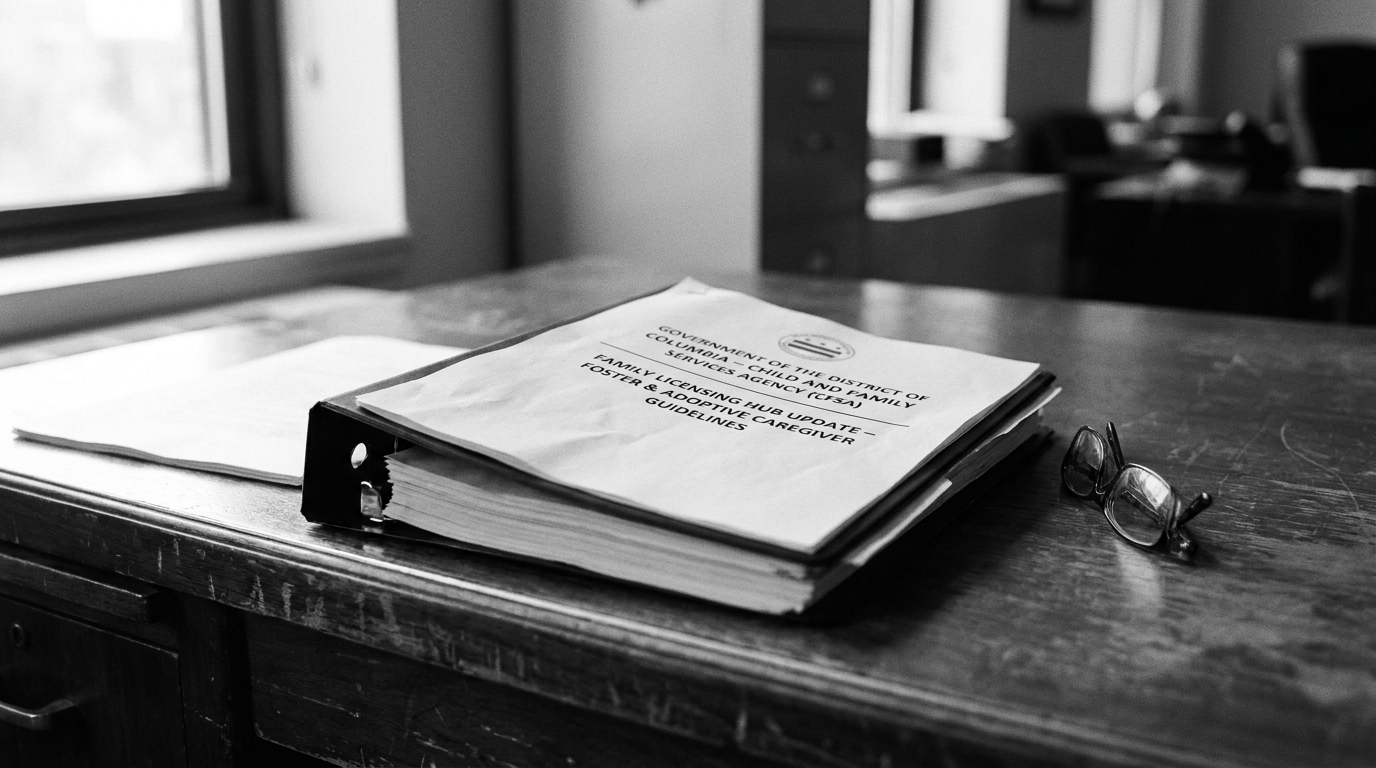
The Child and Family Services Agency (CFSA) in Washington, D.C., has updated its Family Licensing Division content on DC.gov to provide a clearer entry point for residents interested in foster care and adoption licensing. The web pages consolidate guidance on who can apply, the steps in the licensing process, and links to resources and supports available to families in the District.
The refreshed pages are framed as a central resource for prospective foster and adoptive caregivers, family licensing specialists, and partner organizations that refer families. They explain licensing as a city-administered process that includes eligibility checks, home assessments, training requirements, and ongoing supports for licensed homes. The content emphasizes the agency’s role in setting and enforcing standards for families who care for children in the District’s foster care continuum.
What the Family Licensing hub covers
The CFSA materials outline the primary steps applicants should expect: initial contact with licensing staff, documentation and background checks, home visits or home studies, and pre-service training. The pages also list resources and contact pathways for families who need help during the application process, and link to forms and policy information maintained by the agency.
CFSA’s licensing guidance positions the Family Licensing Division as both a regulatory unit and a point of support for households preparing to welcome children. The website content signals an effort to make licensing requirements more navigable for residents who may be balancing work, family, and the practical demands of completing an application.
Who this affects inside the District
The updated hub is aimed at Washingtonians who want to become licensed foster or adoptive caregivers, existing licensed families seeking recertification or resources, and community organizations that support placement and permanency work in the city. By centralizing guidance, the agency intends to reduce confusion about eligibility and next steps, which can speed up placements for children awaiting homes.
Beyond practical instructions, the pages provide links to partner services and describe how licensing fits into CFSA’s broader child welfare responsibilities in the District. The material underscores that licensing is a city-regulated process that interacts with public- and private-sector partners who deliver training, support, and case management.
CFSA’s online hub also functions as a clearinghouse for policy references and procedural updates, helping service providers and prospective caregivers confirm they are using the most current licensing information available on DC.gov.
Looking ahead, families and community organizations should monitor the Family Licensing Division pages for updates to application forms, training calendars, and guidance on eligibility or documentation requirements — all of which can affect the timeline for a household to become licensed.