Pickleball shaming at Banneker tennis courts sparks local concern
A PoPville reader reports tensions at DC's Benjamin Banneker tennis courts as groups clash over the rise of pickleball in public spaces.
Sophie McAlister ·
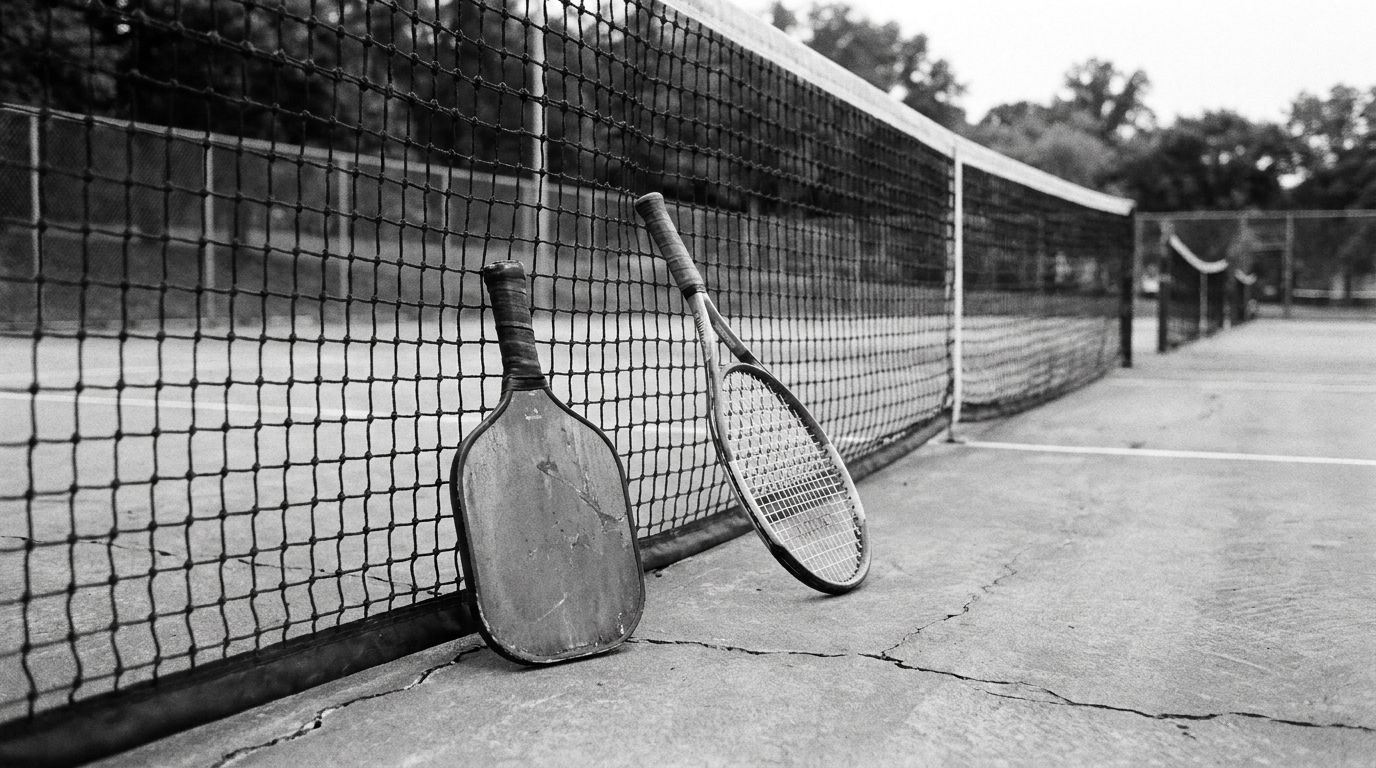
A reader writing to neighborhood blog PoPville reported that, while waiting for a court at the Benjamin Banneker tennis courts, they overheard a group of people making disparaging remarks about pickleball players. The submission, which included a photo credited to Angela N., describes the exchange as shaming and said it occurred "yesterday" while the writer waited for a turn.
The PoPville item is a first-person account rather than an official complaint. It documents the writer's observation of negative comments directed at people playing pickleball at the public courts, and it asked for other readers' experiences in similar situations. The post captured attention because it focuses on everyday interactions in a busy, shared recreation space in Washington, DC.
How readers described the incident
The submission relays short, overheard lines that the writer characterized as critical of pickleball and its players. The report does not identify the individuals involved or their affiliations; it is presented as an eyewitness account from a member of the community. PoPville published the note with a photo credit and the standard reader-submission format used on the site.
Because the account is anecdotal, it does not document any formal complaint to the District's recreation authorities or law enforcement. The post functions as a neighborhood signal—an invitation for other locals to share whether they have witnessed similar tensions at public courts or in nearby parks.
Shared courts and rising interest in pickleball
The Banneker courts are public recreation space used by neighborhood residents for racquet sports. The post connects to a broader local conversation about how different players share limited outdoor courts: some activities require nets and specific court setups, and informal scheduling or overlapping use can create friction. The submission's focus on overheard shaming highlights how social tensions—not just scheduling conflicts—can shape residents' experiences at public facilities.
PoPville's reader-submission format means the item is meant to surface community observations rather than serve as investigative reporting. The post includes a photo and an appeal for other readers to weigh in, which typically leads to comment-thread discussion that can surface additional firsthand accounts or local context.
Local recreation managers and community groups often monitor such neighborhood conversations to understand user conflicts and requests for changes to schedules, signage, or court allocation. The PoPville post does not cite any immediate administrative response from city agencies or park staff.
What happens next will depend on whether more residents report similar behavior, whether park users organize informal scheduling or signage changes, or whether the District's recreation officials receive formal requests about court management. Community discussion on neighborhood channels may drive follow-up or prompt users to engage with local advisory groups about shared-court etiquette.