Glyphosate Use Spikes Before UK Vote
UK glyphosate use topped 2,200 tonnes in 2024 as a December licence renewal nears, intensifying calls for limits and safety scrutiny.
Ayla Demirhan ·
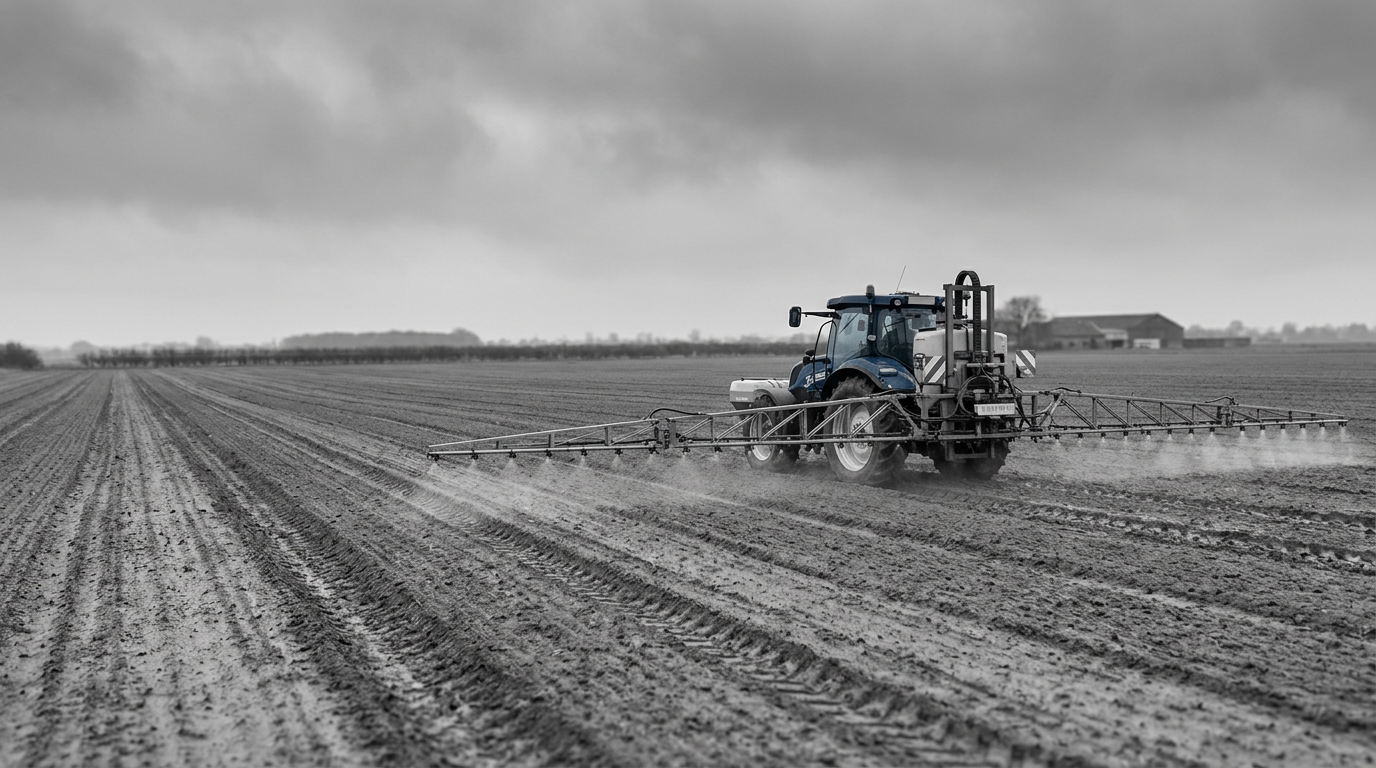
UK farmers applied more than 2,200 tonnes of glyphosate in 2024, with figures cited in the source material describing a tenfold rise in use over the past three decades. The herbicide is used mainly on wheat and other cereals, and the scale of recent application has intensified a long-running dispute over whether it should be banned or more tightly limited. The policy debate is sharpening because the product’s UK licence is due for renewal in December.
The practice has a specific history in Scotland, where farmers began using glyphosate in the 1980s to accelerate crop drying in persistently wet conditions, according to the source material. Over time, it became a common tool for weed control across the UK. Agricultural ecologists cited in the source material also describe glyphosate as a key input for regenerative farming approaches that seek to protect soil health and reduce erosion by avoiding ploughing.
Safety concerns remain central to the dispute. The World Health Organization classified glyphosate as “probably carcinogenic to humans” in 2015, a label that critics continue to cite. In the United States, Bayer, the manufacturer, has faced many lawsuits alleging links between glyphosate and cancer, and the company has made a $7.25 billion settlement offer, according to the source material.
Developments elsewhere in Europe have added weight to the UK discussion. The source material says France has recognised a link between Parkinson’s disease and glyphosate and has provided compensation to affected farmers. Separately, the European Union banned pre-harvest desiccation with glyphosate in 2023, citing concerns about the chemical building up in food.
Those international moves matter for the UK because cereal supply chains and food standards are closely monitored by global buyers and regulators, as noted in the source material. With the UK licence renewal approaching, the decision is being watched not only by farmers and campaigners but also by food producers and chemical suppliers that depend on stable rules for planning and compliance.
The reported 2024 usage level adds urgency for stakeholders assessing how any change could affect current farming systems.
The UK government position described in the source material is that glyphosate is tightly controlled and approved only when evidence shows no harm to human or animal health and no unacceptable environmental effects. That stance sets up a policy choice ahead of December, with competing claims focused on health risks, environmental outcomes, and the practical role glyphosate plays in today’s farming methods.
What remains uncertain in the source material is how regulators will balance those pressures as the renewal date nears, including campaign demands for restrictions and the arguments from agricultural ecologists about soil-protection practices. Any conditions attached to renewal, and whether they target specific uses, are not detailed. The outcome is expected to be closely followed given the scale of use cited for 2024 and the broader international scrutiny surrounding glyphosate.