Spain warns airfares could rise after oil jumps 50%
On April 27, Spain’s tourism minister urged early ticket purchases, citing oil up about 50% since Feb. 28 and potential fare pass-through.
Atlas Newsdesk ·
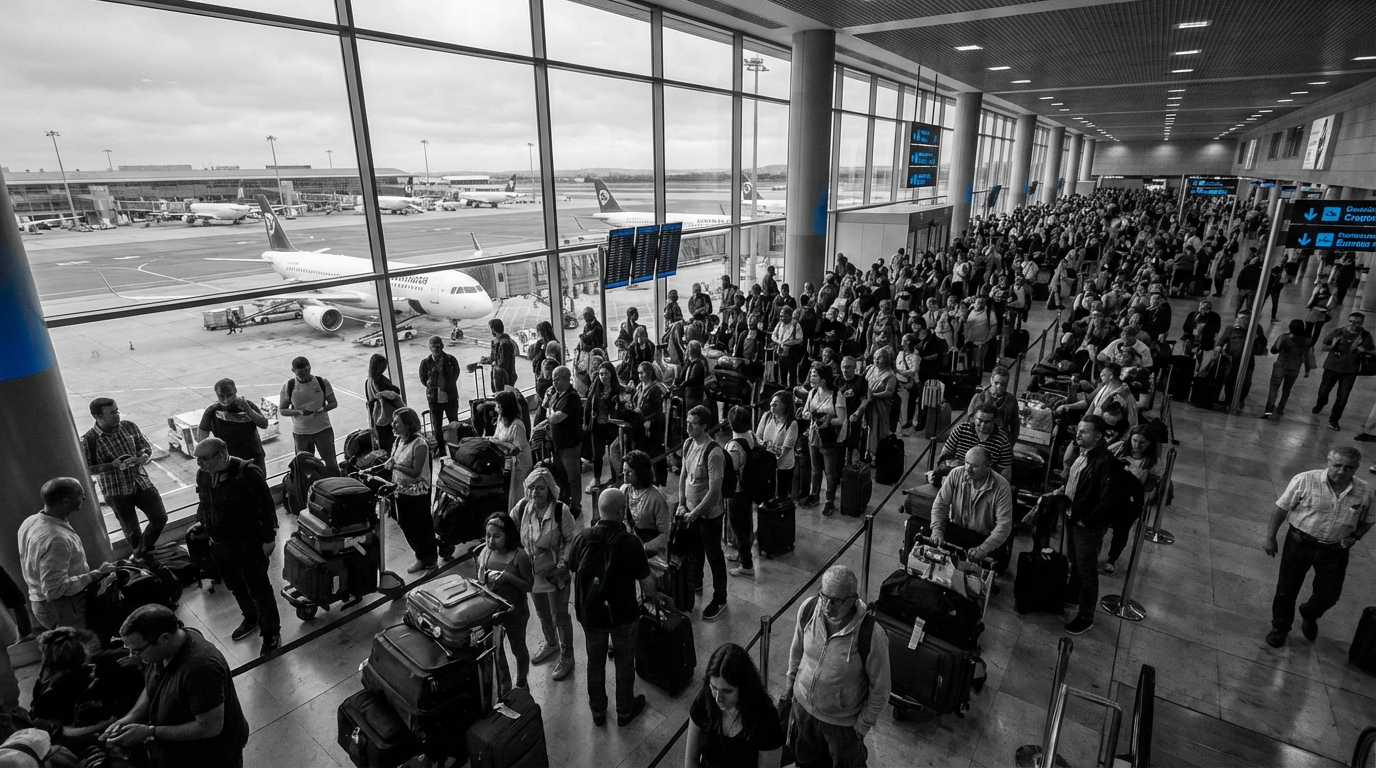
Spain’s Industry and Tourism Minister Jordi Hereu warned on April 27 that airline ticket prices could rise, urging consumers to buy sooner rather than later to limit exposure to potential fare increases.
In remarks published by the Spanish newspaper Expansion, Hereu tied the risk to a sharp move in oil markets, saying prices have climbed about 50% since February 28 following the conflict in Iran and subsequent U.S. and Israeli strikes.
Fuel costs and the timing of fare increases
Hereu said higher fuel costs can feed into airline pricing and may ultimately weigh on travel demand. He described aviation’s fuel bill as a near-term pressure point for households and for the tourism industry.
Transport & Environment, a campaign group, said the oil move has already raised the cost of long-haul flights departing Europe by more than $100, highlighting how quickly energy-market shifts can affect travel budgets.
Hereu said airlines are currently operating with kerosene purchased earlier at lower prices, which can delay the impact on ticket prices. He added that as carriers replenish fuel at higher market rates, those costs are likely to be reflected in fares.
Tourism strength, but exposure to external shocks
The warning comes as Spain’s tourism sector is described as operating from a position of strength. Hereu said Spain welcomed a record 97 million tourists last year, which he said was a 3.5% increase from 2024 figures.
Even so, Hereu cautioned that Spain is not insulated from external shocks. While he said Spain has a larger kerosene stock and greater production capacity than some other countries, he also said disruptions in tourist-origin markets could still spill over into Spain’s visitor economy.
Authorities’ steps and key uncertainties
Spanish and European authorities are reported to be taking steps aimed at preventing fuel shortages. Hereu framed the situation as an example of how geopolitical events can transmit into consumer prices and demand conditions, with aviation and tourism among the most exposed sectors.
Uncertainties remain over how long elevated oil prices persist and how quickly airlines adjust fares as fuel procurement shifts to higher-priced supplies. For travelers, Hereu’s guidance was that purchasing earlier may reduce exposure to potential increases tied to energy-market volatility.