Zaporizhzhia Ceasefire Allows Power Restoration Efforts
A localized ceasefire near the Zaporizhzhia nuclear power plant permits repairs to restore external power, vital for safety after weeks of grid instability.
Mateo Fernandez ·
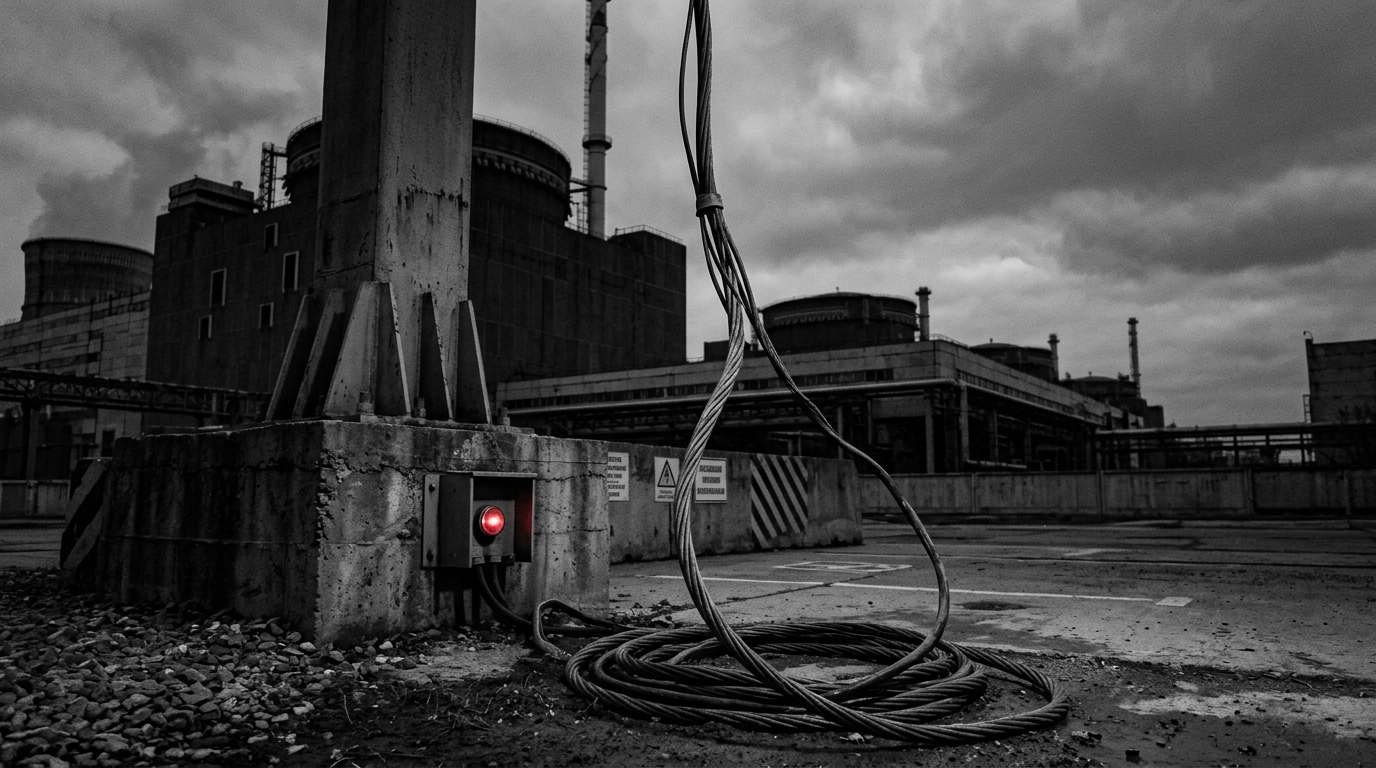
A temporary, localized ceasefire, which commenced on September 5, has enabled emergency repair crews to begin restoring the external power supply to Ukraine's Zaporizhzhia nuclear power plant. This critical development follows an extended period where Europe's largest nuclear facility operated without a consistent grid connection, relying heavily on backup systems.
The International Atomic Energy Agency (IAEA) had previously expressed significant concern over the plant's dwindling diesel reserves. The agency underscored that these critically low supplies dramatically increased the risk of a complete blackout if robust external grid connections were not re-established promptly. Officials indicated that the negotiated truce specifically permits repair personnel to address damaged external transmission lines and reconnect the facility to power grid.
Urgency of External Power Restoration
For several weeks, the Zaporizhzhia plant has been forced to depend on diesel generators and other on-site systems to power essential safety equipment. This precarious situation, highlighted by both officials and the IAEA, necessitated a temporary cessation of hostilities to mitigate the immediate danger of equipment failure and potential safety incidents. The current repair window is considered crucial for avoiding a more severe crisis.
Despite the current window for repairs, the IAEA has cautioned that the facility remains highly vulnerable. The agency specifically noted that limited fuel reserves and the fragile nature of the truce expose the plant to renewed peril should combat activities in the area escalate again. Ensuring the continued safe operation of the nuclear complex is contingent upon the successful restoration of a stable external power source.
Potential for Progress and Ongoing Risks
If repair efforts proceed without interruption, crews estimate that the external power could be reinstated within 48 hours. However, any delays in these operations would significantly escalate the risk of a complete blackout, which could compromise the plant's cooling systems and other critical safety functions. International monitoring efforts are expected to remain vigilant during this period, observing both the repair progress and the overall security situation.
The persistent challenges at Zaporizhzhia highlight the severe difficulties of maintaining critical infrastructure in active conflict zones. The plant's continued operation under such conditions has been a central point of international concern, leading to repeated calls from global bodies for a demilitarized zone around the facility to avert a potential nuclear accident. While the current ceasefire addresses immediate technical threats, the underlying geopolitical and security issues persist and require broader diplomatic solutions.
International Scrutiny and Future Stability
The IAEA has maintained an active presence at the Zaporizhzhia plant, providing regular updates on its status and the implementation of safety protocols. Their on-site personnel offer independent verification of conditions and facilitate necessary technical interventions. The success of this repair initiative will be closely watched by the international community as an indicator of potential de-escalation around such critical infrastructure.
The long-term stability and safety of the plant depend not only on these technical repairs but also on a lasting cessation of hostilities in its vicinity. This ongoing situation underscores the intricate link between geopolitical developments and nuclear safety, emphasizing the urgent need for diplomatic solutions to de-escalate tensions around vital facilities globally.