Iranian Court Sentences Twin Sisters to Death, Jail
An Iranian court sentenced twin sisters Taraneh and Romina Rahimi, 20, to death and 25 years in prison for protest involvement in Isfahan.
Lauren Collins ·
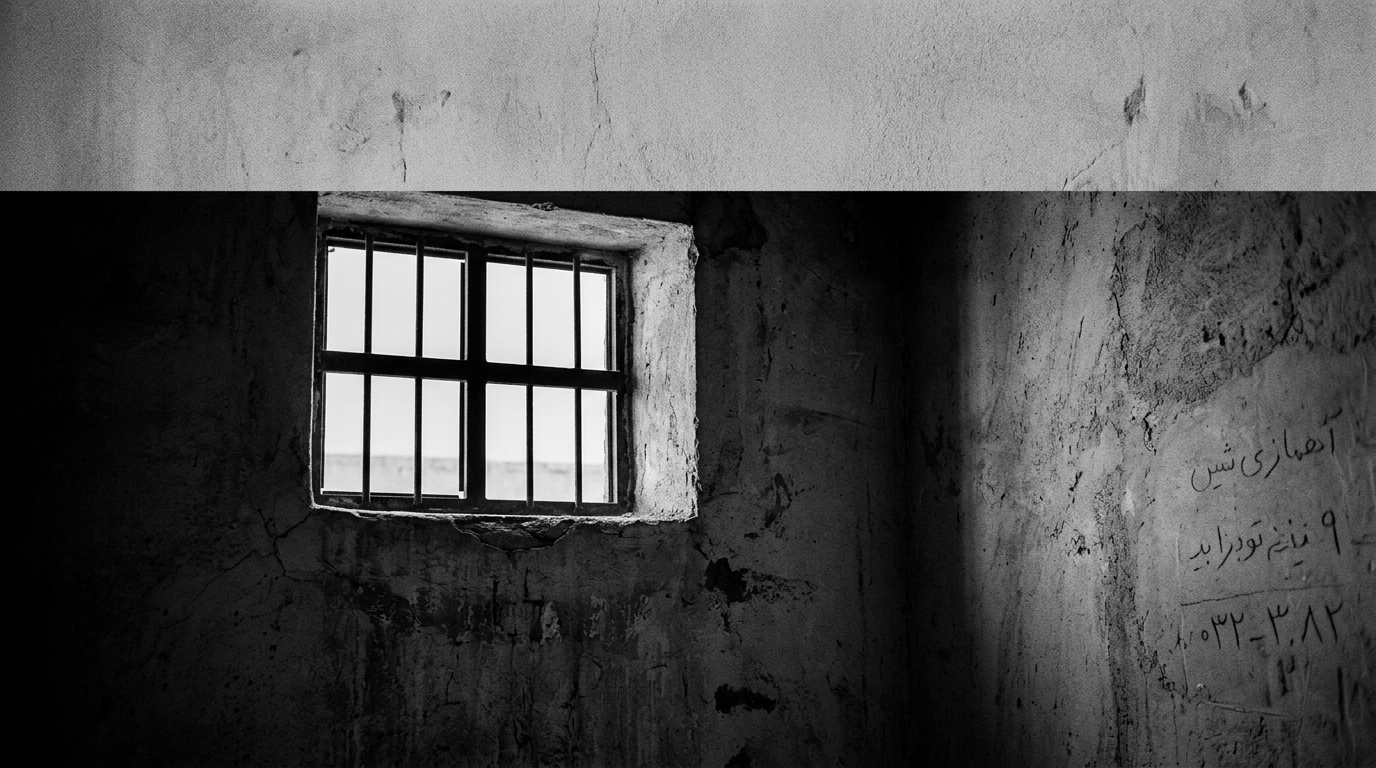
An Iranian judicial body has issued stringent sentences against twin sisters Taraneh and Romina Rahimi, both 20 years old, following their alleged participation in anti-government demonstrations in Isfahan. Taraneh Rahimi received a death sentence, while her sister Romina Rahimi was condemned to 25 years imprisonment. These verdicts were announced after their apprehension by members of the Islamic Revolutionary Guards Corps in February.
For four months subsequent to their initial detention, the family of the Rahimi sisters remained unaware of their condition or location. It was only after this extended period that relatives discovered the sisters were being held at Dowlatabad prison. The case highlights the severe measures employed against individuals involved in public dissent within the country.
Allegations of Duress and Legal Concerns
Legal representatives for the Rahimi sisters have brought forward claims that the evidence presented during the trial, specifically their testimony, was acquired under coercion. These allegations include severe accusations of torture, with explicit mentions of threats involving sexual violence. Despite these serious assertions regarding the methods used to gather evidence, the court proceeded to hand down capital punishment to Taraneh and a long custodial sentence to Romina.
No public presentation of evidence emerged during the trial to indicate any violent conduct on the part of either sister during the protests. This particular legal proceeding takes place amid a broader and persistent campaign against dissent throughout Iran, drawing significant attention from international human rights organizations.
Broader Crackdown and Judicial Trends
Human rights monitoring groups have reported a significant number of executions carried out by Iranian authorities this year, exceeding 500 individuals. Among these, at least 29 people were reportedly linked to demonstrations that occurred in January. The imposition of such harsh penalties, particularly capital punishment for protest-related activities, is widely perceived as a strategy to deter public opposition and prevent future unrest.
The legal status of many individuals detained in connection with protests remains highly uncertain. In Isfahan alone, more than 70 people are currently confronting potential capital charges. The specific legal situation for the Rahimi sisters is particularly precarious, further complicated by state practices that significantly restrict the timeframe and efficacy of formal appeal processes. This limitation makes it exceedingly difficult for defendants to challenge sentences issued by the courts.
The judicial system's approach in these cases, characterized by claims of coerced testimony and the application of severe sentences for involvement in protests, raises substantial concerns among international human rights observers. The ongoing circumstances underscore the serious risks encountered by those who participate in or are perceived to be involved in anti-government demonstrations in Iran, with potential consequences ranging from lengthy incarceration to execution.