Brent Crude Tops $91 Amid US
Brent crude climbed over 3% to $91.09 a barrel following reported US attacks on Iran's Larak Island and an Iranian response, signaling rising geopolitical…
Mateo Fernandez ·
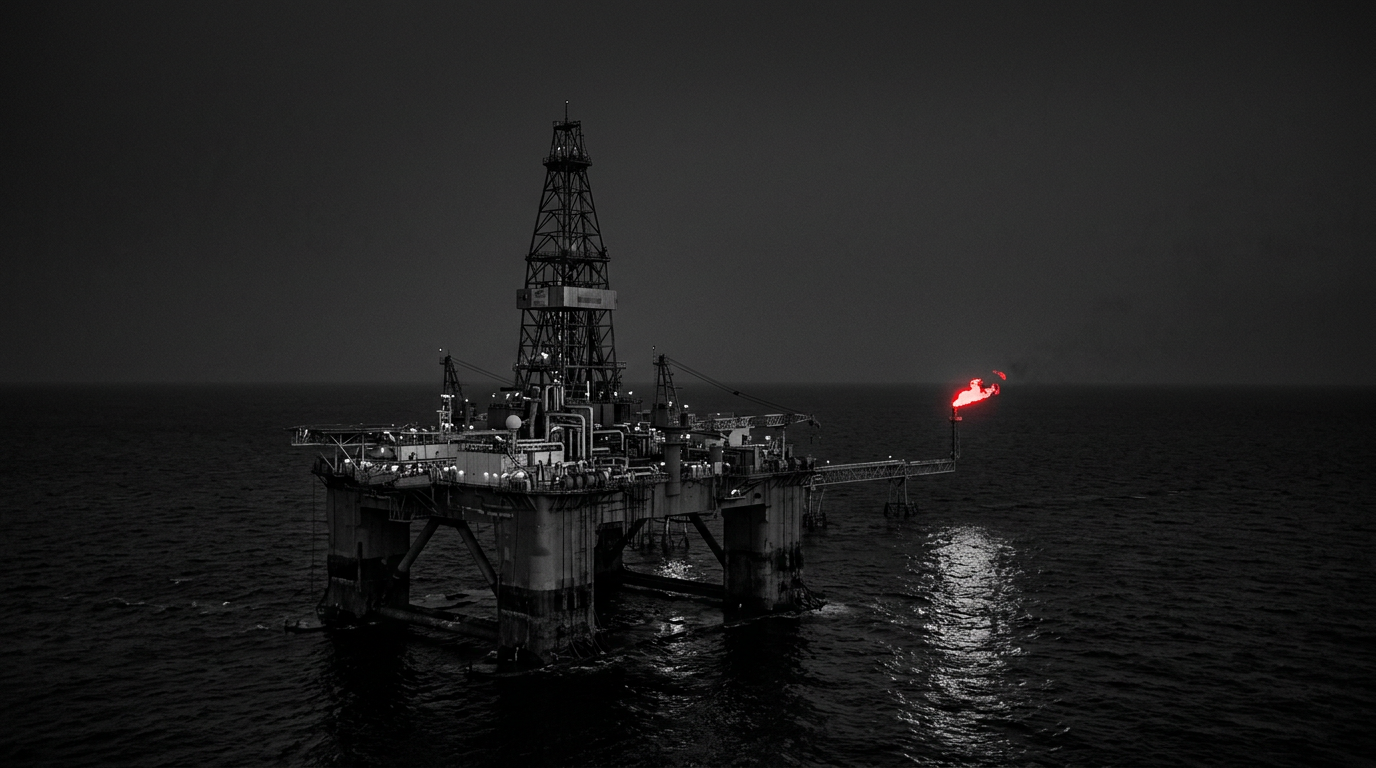
International benchmark Brent crude oil futures surged by 3.4 percent early Monday, reaching $91.09 per barrel. This sharp increase followed reports of a United States military action targeting Iran's Larak Island, which was reportedly met with an Iranian counter-response. The incident marks a significant escalation, representing the first direct military engagement reported between the two nations after weeks of heightened tensions.
The rise pushed September Brent contracts above the critical $90 per barrel threshold. Sustained prices at this level could potentially influence global fuel costs, shipping expenses, and overall inflation expectations worldwide. Market participants are now closely monitoring whether this confrontation remains isolated or expands to impact critical oil infrastructure and shipping routes within the Persian Gulf.
Strategic Location and Market Implications
Larak Island is strategically situated near one of the world's most vital oil transit chokepoints. Any military activities in this region inherently carry significant implications for the prices of crude oil, refined petroleum products, and tanker freight rates. Analysts are assessing whether the primary impact will be a geopolitical risk premium embedded in Brent prices or a tangible disruption to physical supply.
Even if the skirmishes remain contained without direct damage to supply infrastructure, a sustained increase in crude prices would have broader macroeconomic consequences. Higher oil prices can complicate efforts to manage inflation, increase import expenditures for major oil-consuming economies, and potentially influence central bank decisions regarding interest rates globally. This adds a layer of complexity to economic forecasts and policy-making.
Potential for Wider Escalation
Should the exchange of actions broaden beyond the current scope, the market mechanisms would shift dramatically. Any direct threat to oil shipments, reductions in insurance availability for vessels in the region, or disruptions to port operations would immediately impact refiners and airlines. Ultimately, these costs would likely be passed on to consumers through elevated gasoline, diesel, and jet fuel prices.
As the situation develops, traders and analysts will be closely observing official statements emanating from Washington and Tehran. Additionally, any new shipping advisories issued for the Persian Gulf and the trajectory of Brent crude prices, particularly whether they can maintain levels above $90 in European and U.S. trading sessions, will provide critical indicators for the market's perception of risk and stability by September 1.