Turkmenistan Seals Methane Leaks Amid Climate Pressure
Turkmenistan has begun addressing significant methane leaks from its oil and gas infrastructure, repairing eight major sites with satellite guidance.
Atlas Newsdesk ·
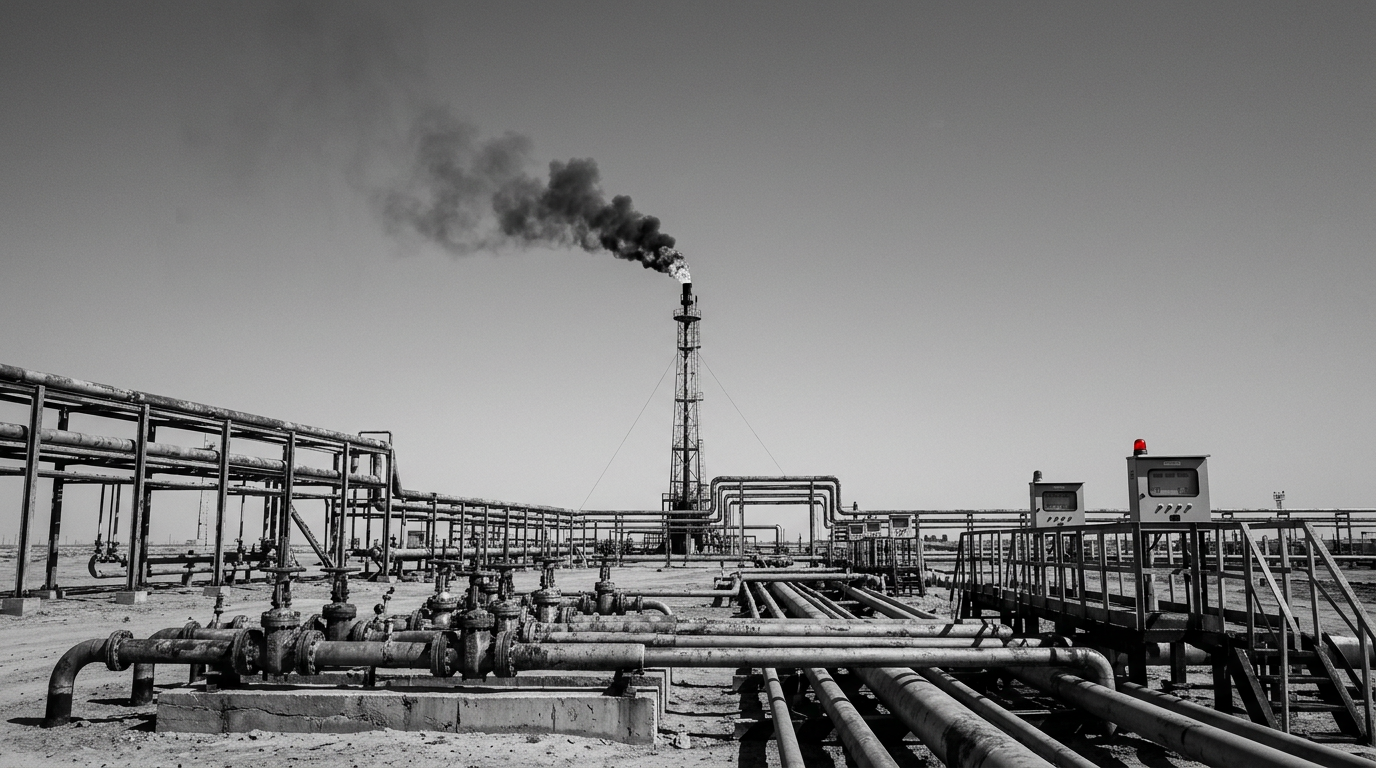
Turkmenistan has commenced efforts to curb substantial methane emissions originating from its extensive oil and gas network. This initiative signifies an evolution in the nation's environmental approach, spurred by ongoing international observation and cooperation with global monitoring bodies. To date, eight significant methane leaks have been successfully sealed, involving essential repairs to deteriorated pipelines and faulty wells across the country's energy infrastructure.
The United Nations Methane Alert and Response System (MARS) played a pivotal role in this development, supplying satellite data that prompted Turkmenistan's intervention. Over the preceding year, the country received 192 notifications regarding methane emissions, with current mitigation measures addressing approximately 20% of these identified issues. This recent commitment to leak repairs marks a notable shift from previous inaction concerning Turkmenistan's aging energy assets.
Responding to Satellite Data
While Turkmenistan has historically faced challenges in managing its vast hydrocarbon resources, these ongoing actions demonstrate a growing willingness to engage with global environmental standards. Experts indicate that the efficacy of this mitigation strategy underscores the critical importance of satellite-based detection technologies. These tools are vital for enhancing transparency and instigating operational adjustments, particularly in nations that might otherwise operate with less external oversight.
Despite this progress, Turkmenistan continues to be a considerable contributor to global methane emissions, with numerous active leaks still present throughout its energy sector. This situation highlights the immense scale of the environmental challenge the country faces. Turkmenistan possesses the world's fourth-largest natural gas reserves, making its emissions profile particularly impactful on international climate objectives.
Global Emissions Context
Methane, a potent greenhouse gas, contributes significantly to global warming over the short term, positioning its reduction as a high priority for international climate action. The capability of satellite monitoring to precisely locate and quantify these emissions provides a powerful instrument for accountability and environmental diplomacy. In contrast to Turkmenistan's recent actions, several other prominent emitters have not responded effectively, or at all, to similar international alerts.
Reports suggest that major industrial nations, including the United States, Iran, Russia, and China, have not undertaken equivalent steps to mitigate their methane emissions, even after being identified by monitoring systems. This disparity highlights a widening gap in adherence to international environmental compliance efforts, specifically regarding methane abatement and the broader management of industrial greenhouse gas emissions. Turkmenistan's engagement, even if partial, could serve as a potential blueprint for fostering environmental responsibility in other energy-producing regions globally.
However, achieving widespread adoption of such mitigation practices remains a substantial hurdle. These ongoing efforts represent crucial steps toward addressing a significant source of greenhouse gases and aligning with broader climate goals. This situation further emphasizes the impact of technological monitoring on state-level environmental policy and international climate cooperation.