Brent hits $97.93 as Hormuz tension hits trade
US-Iran tensions around the Strait of Hormuz put oil supply risk back at the center of commodity trading.
Mateo Fernandez ·
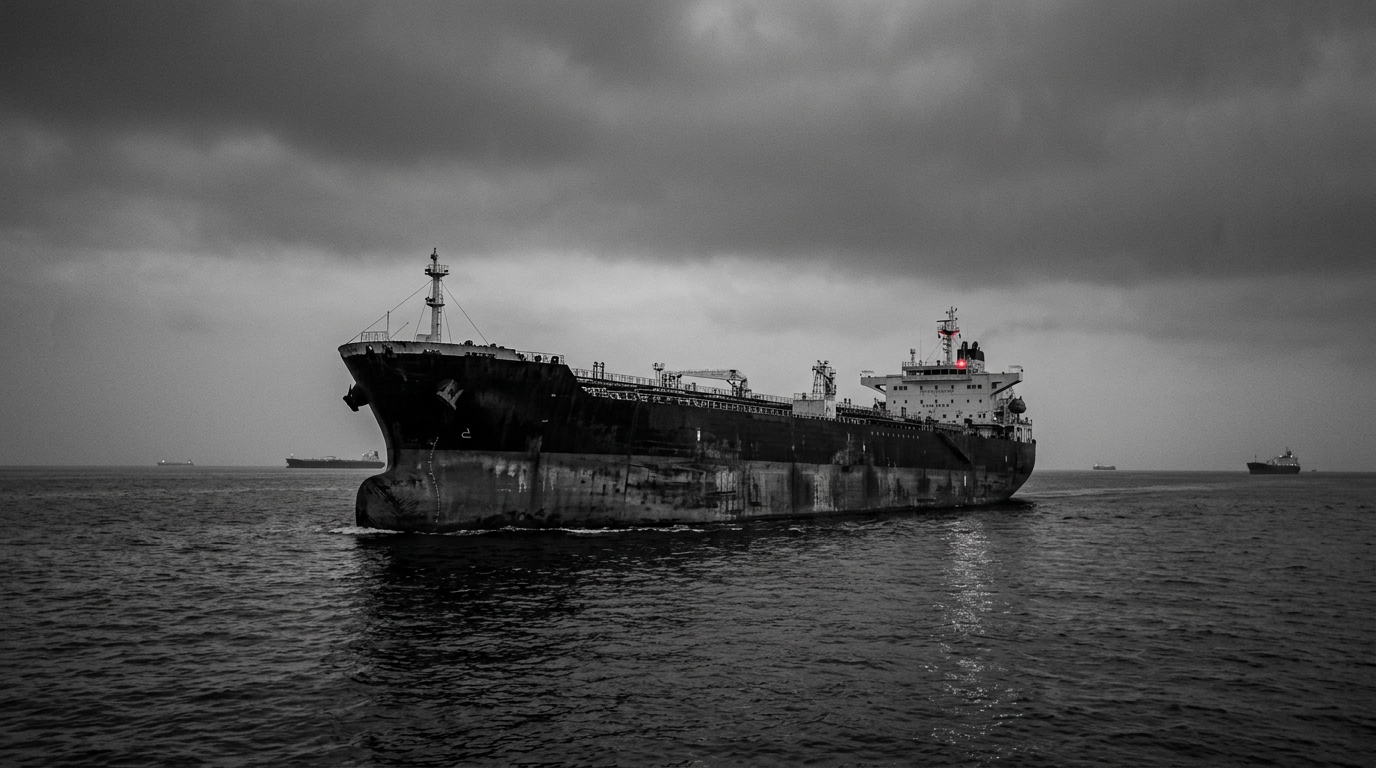
Brent crude rose to $97.93 on Monday after officials said US-Iran tensions disrupted trade through the Strait of Hormuz, putting a key oil route back into focus for commodity markets.
Data showed the move followed reports of halted commercial flows through the strait, a chokepoint for seaborne crude and fuel shipments. Goldman Sachs warned oil could reach $120 if the disruption holds, a level about $22 above the quoted Brent price in the payload.
Hormuz risk reaches Brent traders
The immediate issue is duration. If traffic resumes quickly, the price move may be treated as a supply-risk premium attached to a short interruption rather than a lasting change in physical availability.
If the stoppage lasts, the mechanism is more direct: refiners would face uncertainty over cargo timing, shipping costs could rise, and buyers may bid for alternative barrels. That path would feed first into crude benchmarks, then into diesel, gasoline and petrochemical feedstock costs.
For the macro picture, higher oil prices would complicate inflation readings in importing economies and improve near-term revenue for producers. For oil companies, the effect would split between upstream producers that benefit from higher benchmark prices and refiners that face tighter input costs.
The dated test is whether officials confirm any restart or further restriction in Strait of Hormuz traffic by September 8, 2026. Until then, the $97.93 Brent print and the $120 bank scenario set the trading range for the next oil-market check.