Brazil Bars Trump Adviser Amid Diplomatic Spat
Brazil bars Trump adviser Darren Beattie from entry, citing U.S. visa denial for its Health Minister, escalating diplomatic tensions.
Lauren Collins ·
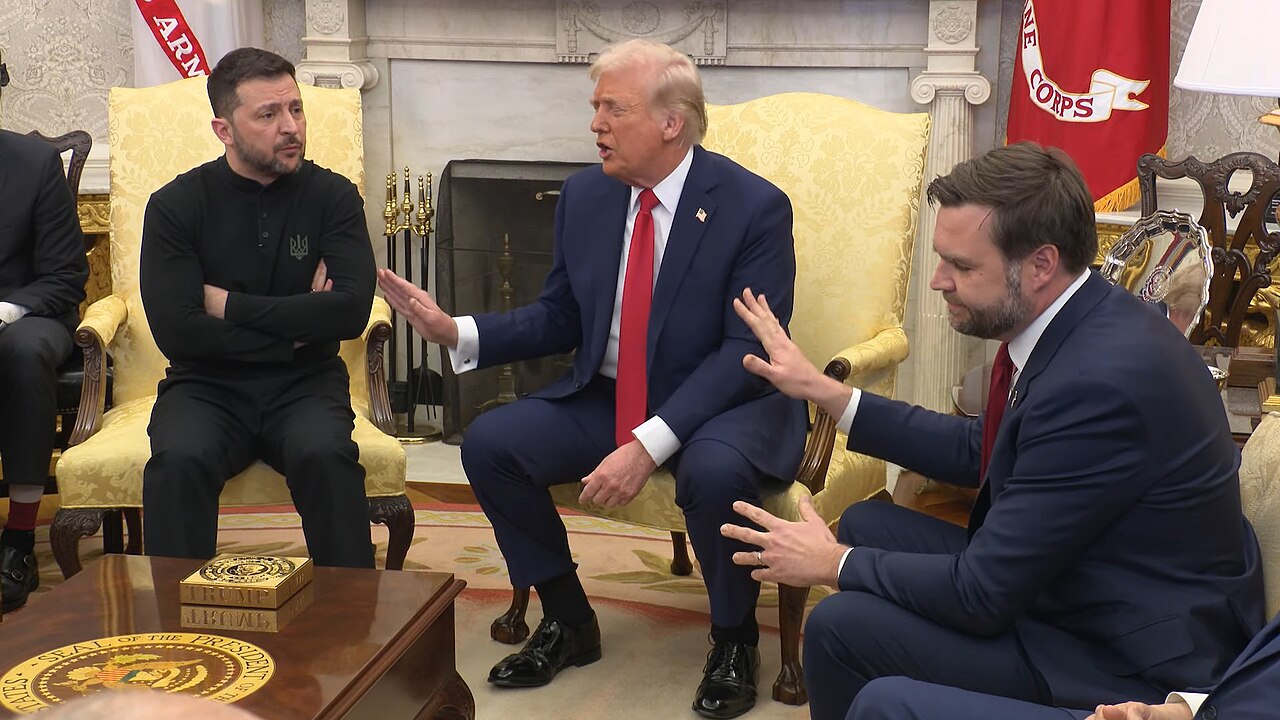
Brazil's President Luiz Inácio Lula da Silva has prohibited Darren Beattie, an adviser to Donald Trump, from entering the country. The decision, announced on Friday, March 13, 2026, stems from a diplomatic dispute with the United States regarding visa denials for Brazilian officials.
This move by Brasília is a direct response to the U.S. government's 2025 denial of a visa to Brazil's Health Minister, Alexandre Padilha, and the subsequent revocation of visas for Padilha's family members. Beattie, a political strategist, had reportedly planned to visit former Brazilian President Jair Bolsonaro, who is currently incarcerated.
Visa Revocation and Diplomatic Tensions
President Lula explicitly stated that Beattie's visa would remain revoked, and his entry into Brazil forbidden, until the U.S. grants a visa to Minister Padilha. A Brazilian diplomatic source indicated that Beattie's visa was revoked due to alleged misrepresentations regarding the true purpose of his intended visit.
This incident underscores persistent diplomatic friction between Washington and Brasília, despite recent efforts to mend relations. The broader context includes previous U.S. pressure tactics, such as tariffs and sanctions, which had targeted Brazilian officials and contributed to a deterioration in bilateral ties.
Political Context and Upcoming Engagements
Former President Bolsonaro is currently serving a 27-year prison sentence following his conviction for attempting to overturn the 2022 election results. Beattie's reported intention to visit Bolsonaro adds a layer of political complexity to the diplomatic row.
President Lula is scheduled to undertake a visit to Washington in the near future. However, reports suggest that this trip has already experienced delays, potentially exacerbated by the current visa dispute. The incident highlights the delicate balance in international relations, where seemingly minor administrative actions can escalate into significant diplomatic challenges.
Bilateral Relations and Future Outlook
The ongoing tensions between Brazil and the United States have historical roots, often influenced by shifts in political leadership within both nations. While the Trump administration and Bolsonaro's government shared ideological alignments, the current Lula administration has sought to re-establish a more independent foreign policy stance.
This latest development could further complicate efforts to stabilize and improve bilateral relations. The resolution of the visa issue for Minister Padilha is now a critical factor in de-escalating the situation and potentially paving the way for more constructive engagement between the two countries. The upcoming visit by President Lula to Washington, if it proceeds, will be closely watched for signs of diplomatic progress or continued strain.
Implications
Country Impact: Brazil's assertive stance reflects a broader trend among some developing nations to challenge perceived unilateral actions by major powers. This could influence its diplomatic engagements with other countries, particularly those with strained relations with the U.S.
Industry Impact: While direct industry impact is limited, prolonged diplomatic friction can create uncertainty for businesses operating between Brazil and the U.S., potentially affecting trade negotiations, investment flows, and the ease of travel for business personnel.
Market Impact: The incident introduces a minor geopolitical risk factor, though unlikely to cause significant market shifts. However, any escalation could subtly impact investor sentiment towards Brazilian assets, particularly if it signals broader instability in bilateral relations.