USAF Halts Boeing KC-46 Tanker Orders Amid Issues
The USAF has halted new Boeing KC-46 tanker orders until the manufacturer resolves persistent issues, impacting a potential 75-aircraft contract.
Lauren Collins ·
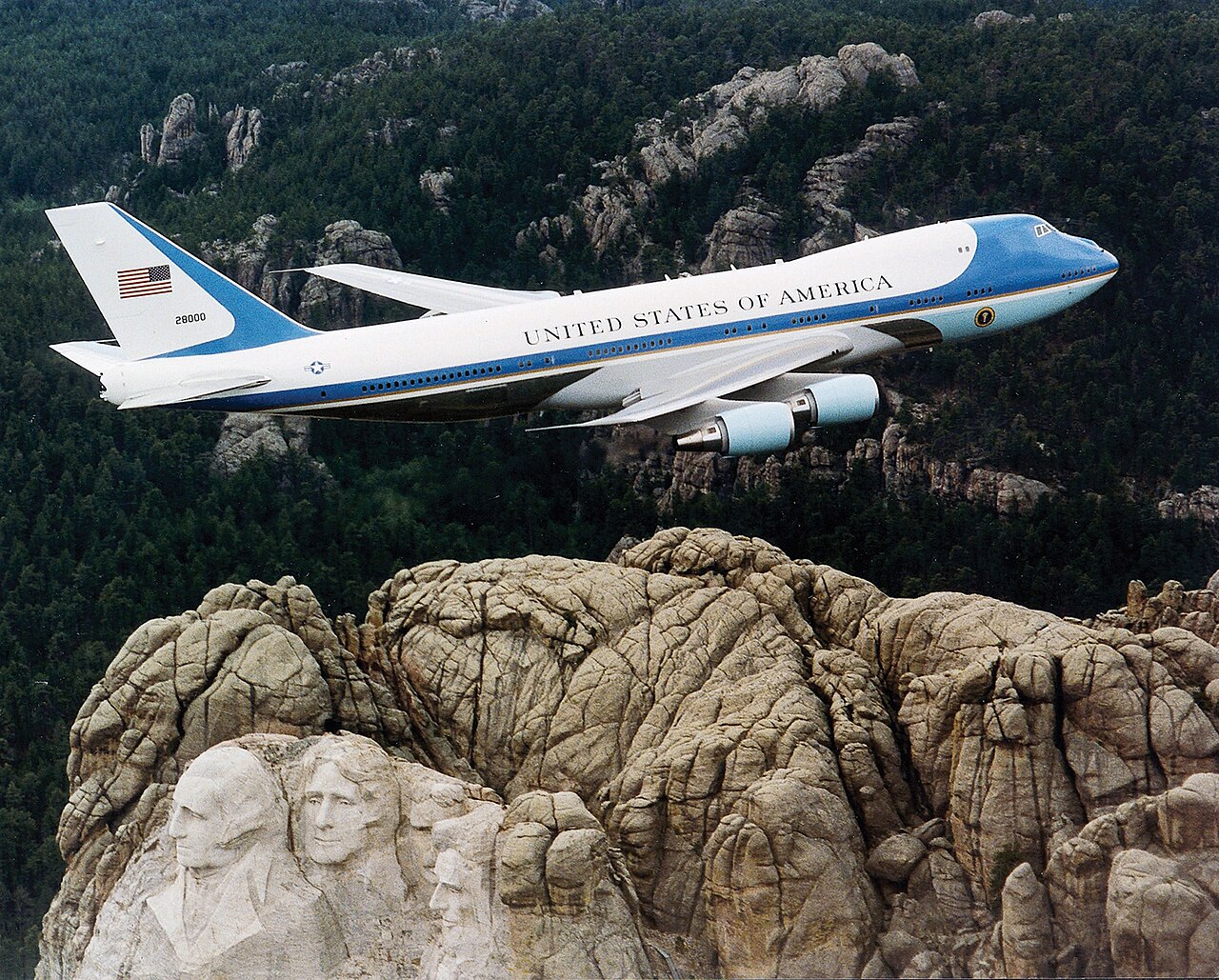
The U.S. Air Force (USAF) has paused future orders for Boeing's KC-46 Pegasus aerial refueling tankers until the manufacturer addresses persistent performance issues. This decision, communicated by U.S. Air Force Vice Chief of Staff Gen. John Lamontagne to legislators on March 4, directly affects a potential follow-on contract for 75 additional aircraft.
Boeing and the Air Force have been working to resolve several technical challenges with the KC-46, including problems with its refueling boom and the remote vision system. Deliveries of the aircraft were temporarily suspended last year after structural cracks were discovered in some units, highlighting ongoing quality control concerns.
Boeing's Financial Strain and Program History
Boeing has faced substantial financial setbacks on the fixed-price development contract for the KC-46. The company reported a $565 million charge in its fourth-quarter earnings, contributing to total program losses exceeding $7 billion. Boeing CEO Kelly Ortberg indicated in January that the company intends to adjust its pricing strategy for future contracts to improve profitability.
Despite the current halt on new orders, the Air Force had previously committed to acquiring a block of 15 tankers under the existing contract in November. This commitment underscores the USAF's long-term need for the KC-46 to modernize its aerial refueling capabilities.
Strategic Importance and Fleet Modernization
The KC-46 Pegasus is designed to replace the Air Force's aging fleet of KC-135 Stratotankers, some of which have been in service for over 60 years. The modernization effort is critical for maintaining global reach and operational flexibility for U.S. military operations. The USAF currently operates more than 100 KC-46 tankers, forming a significant portion of its refueling capacity.
This pause in orders signals the Air Force's firm stance on quality and performance standards for critical defense assets. The resolution of these technical issues is paramount for Boeing to secure future contracts and for the USAF to proceed with its fleet modernization plans.
Outlook for Future Procurement
A decision on the next major contract, which could include 75 additional KC-46 aircraft, is anticipated within approximately two years. The timeline for resuming orders is contingent on Boeing demonstrating consistent progress in rectifying the identified deficiencies. The outcome will significantly influence Boeing's defense sector revenue and the Air Force's strategic capabilities.
The situation highlights the complexities of large-scale defense procurement, where initial fixed-price contracts can lead to substantial financial burdens for manufacturers when technical challenges arise. The Air Force's decision emphasizes accountability and the need for reliable, fully functional equipment.
Implications
Country Impact: The U.S. Air Force's ability to modernize its aerial refueling fleet could face delays, potentially impacting global operational readiness and strategic projection capabilities. This decision underscores a commitment to ensuring high-quality defense assets.
Industry Impact: Boeing faces increased pressure to resolve technical issues and manage financial losses on major defense contracts. This situation could influence future fixed-price contract negotiations across the defense industry, emphasizing performance over initial cost estimates.
Market Impact: Boeing's stock performance may experience volatility due to concerns over defense contract profitability and delivery delays. The pause in orders could also affect the broader aerospace supply chain reliant on KC-46 production.