Brazil tariffs trigger Lula retaliation and aid package
Brazil tariffs prompted Brasília to prepare reciprocal action and a $2.6 billion aid package for exposed industries.
Atlas Newsdesk ·
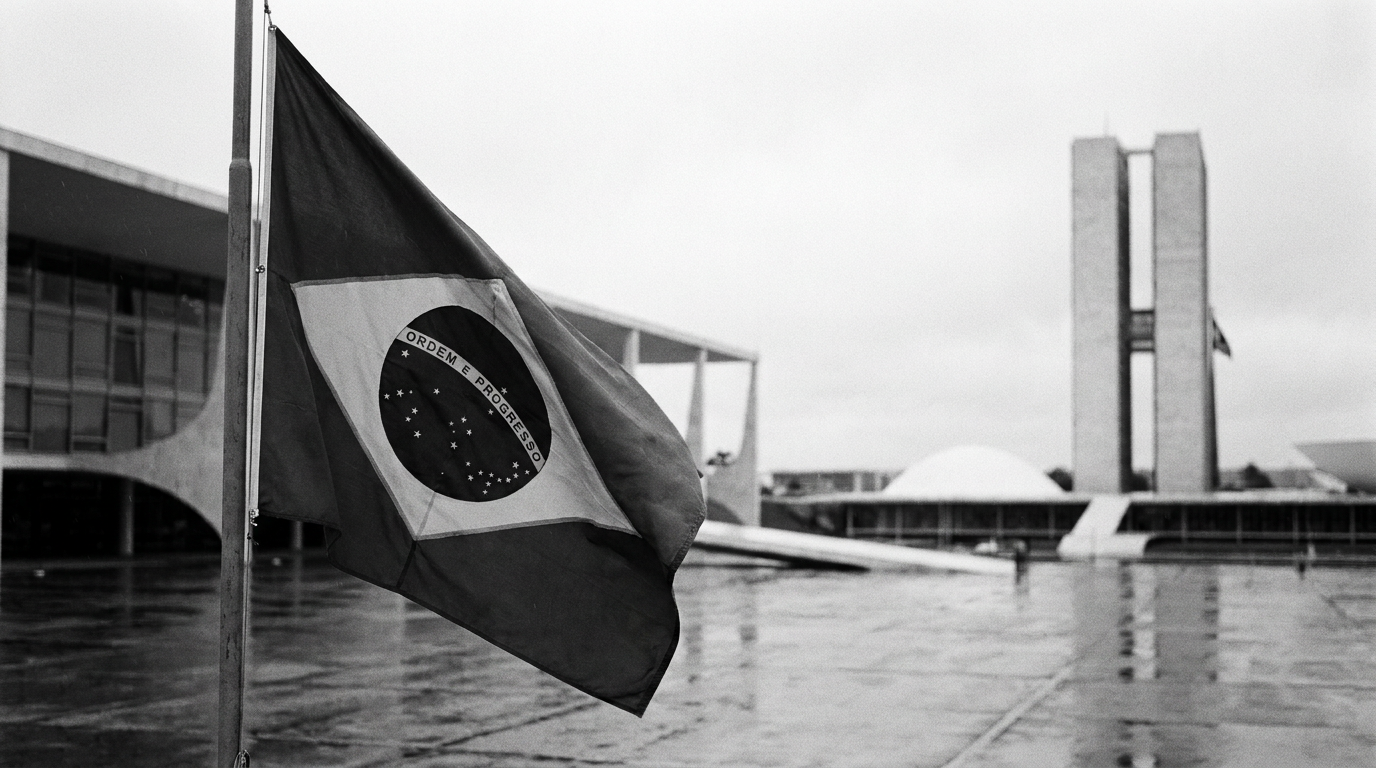
Brazil tariffs have pushed Brasília toward retaliation after Washington imposed a 25% duty. The clash now carries economic and political costs.
The Brazilian government said it would respond in kind, turning a tariff dispute into a test of President Luiz Inácio Lula da Silva’s economic management and campaign positioning ahead of October elections. The Trump administration, which supports the Bolsonaro family, has blamed Lula for refusing to yield.
Brasília turns to reciprocity
The immediate trigger was Washington’s decision to apply a 25% tariff on Brazilian goods, according to the account provided. Brasília’s answer was not limited to rhetoric; the government also announced a $2.6 billion support plan for sectors expected to suffer most from the measure.
Brazil occupies an unusual place in South American trade politics because it runs a deficit with the United States. That means the country buys more from the US than it sells there, a fact that complicates the usual script of tariff diplomacy.
Reciprocity can satisfy domestic political pressure, but it also raises costs for importers and consumers if applied broadly. For Lula, the choice is a balance between showing resistance to Washington and limiting damage to companies that depend on US demand or US inputs.
$2.6 billion shield for industries
The aid package is Brasília’s clearest sign that officials expect real commercial pain from the tariff shock. The $2.6 billion plan is aimed at the industries hit hardest, though the supplied account does not identify the specific sectors or mechanisms.
Because no named company is at the center of the dispute, the first-order business impact falls on exposed Brazilian industries rather than a single corporate balance sheet. Exporters facing the 25% levy could lose price competitiveness in the US market if they cannot absorb the added cost or shift sales elsewhere.
The policy also puts pressure on Brazil’s fiscal choices. Support for affected firms can soften layoffs and production cuts, but it can also redirect public money toward emergency relief at a politically sensitive moment.
Lula-Bolsonaro feud enters trade
The tariff fight has quickly merged with Brazil’s election politics. Lula accused challenger Flavio Bolsonaro and his family of courting the US action because they describe the treatment of Bolsonaro’s father as a political "witch hunt."
The Trump administration has framed the matter differently, faulting Lula for intransigence. That divide gives both sides a domestic political audience: Lula can cast the tariff as foreign pressure, while the Bolsonaro camp can link the dispute to its claims of political persecution.
The risk is that trade policy becomes harder to reverse once it is tied to campaign identity. If either side sees compromise as a political loss, a tariff dispute that began with goods could become a wider test of diplomatic alignment.
Three paths for the tariff fight
If Brasília’s reciprocal measures remain narrow, the global macro effect would likely be contained to bilateral trade flows and investor caution around Brazil. Brazilian exporters would still face the US levy, while regional industries would watch whether limited retaliation becomes a model for other disputes.
If the dispute widens, the mechanism changes: higher barriers can disrupt supply contracts, raise costs for firms using imported inputs and encourage companies to reroute trade. For Brazil, that would deepen pressure on exposed industries; for the broader sector, it could accelerate efforts to diversify markets away from the US.
If negotiations produce a pause or carve-outs, the immediate macro pressure would ease and the $2.6 billion package could function more as a bridge than a long-term subsidy. The open questions are which industries qualify for support, how quickly funds reach companies and whether campaign politics leave room for a tariff settlement.