Bab el-Mandeb risks rise as Houthis signal Red Sea move
Bab el-Mandeb security fears are rising as reported Houthi threats raise the risk of wider disruption to Red Sea trade and oil flows.
Atlas Newsdesk ·
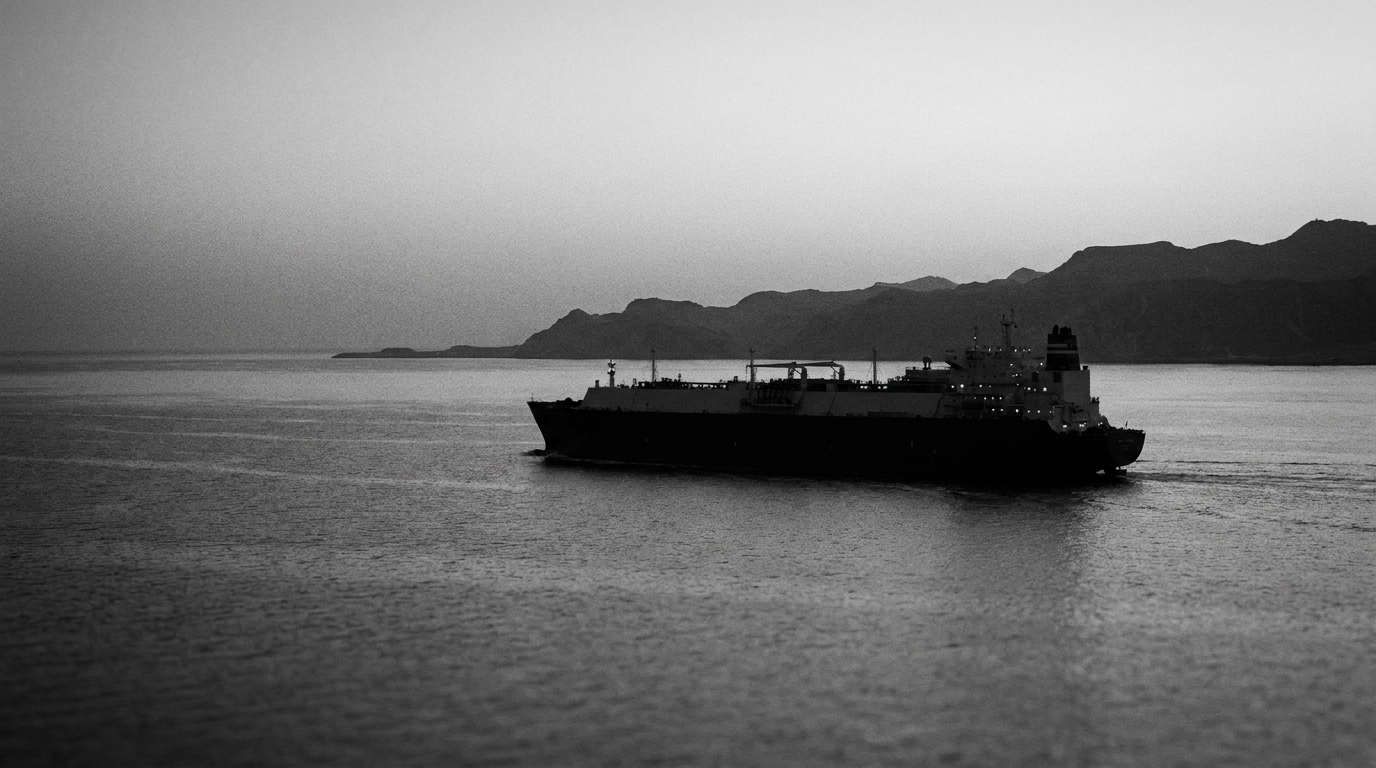
Bab el-Mandeb security fears are rising as reported Houthi threats could widen the US-Iran conflict into the Red Sea trade route. The strait is one of the region’s most sensitive chokepoints, and any renewed attacks would hit shipping plans already shaped by war risk.
The immediate concern is that the Houthis, Iran’s allies in Yemen, may act if Washington’s campaign against Iranian power assets continues. The group controls northern Yemen and was expected to issue a statement on Monday after saying it would announce an "important position."
Houthi signal raises timing risk
The reported trigger is specific: Tehran had previously told the Houthis to close the route if the US struck Iran’s power network. The source material says the US has targeted several Iranian electricity plants in recent days, raising the chance that a maritime threat becomes part of the confrontation.
That matters because Bab el-Mandeb is not an isolated local passage. It is the southern gateway to the Red Sea, so disruption there can affect cargo and energy flows moving between Asian, Middle Eastern and European markets.
Red Sea pressure point
The figures in the source show why the waterway draws such attention. Around 9% of global maritime trade passes through Bab el-Mandeb, including about 3.1 million barrels of oil a day before the war.
The energy exposure appears to have grown since then. Saudi Arabia now sends 70% of its energy exports through its Red Sea port, according to the source text, making the route more important for a major producer and for buyers tracking supply reliability.
Saudi routing raises exposure
If Houthi attacks resumed, the first effect would fall on ship operators, insurers, energy traders and exporters that rely on predictable Red Sea access. Even limited disruption can alter sailing schedules, lift security costs and push buyers to build more room into delivery planning.
Saudi Arabia’s export pattern adds a second layer of risk. A larger share of energy shipments through the Red Sea means any threat near Bab el-Mandeb would carry implications beyond Yemen, Iran and the US, touching the pricing and logistics of oil-linked trade.
Three paths for Red Sea trade
If the Houthi statement stops at rhetoric, the macro effect is likely to remain limited to a risk premium rather than a physical trade shock. In that case, Saudi exports through the Red Sea would remain the central company-level equivalent in this story, while shipping and energy firms would keep monitoring security warnings without immediately changing route assumptions.
If attacks begin but stay sporadic, the global effect would come through higher uncertainty in oil and cargo movements rather than a full closure. Saudi Arabia would face more pressure to secure outbound flows, while the shipping, insurance and energy sectors would price in a more dangerous Red Sea operating environment.
If the route is seriously disrupted, the shock would be broader: two major regional trade arteries would be under strain at once. The open questions are whether the Houthis intend to act, how Washington defines further strikes on Iran’s power system, and whether Saudi export routing can remain resilient if Red Sea security deteriorates.